

The term “full service oil change” signifies much more than a simple fluid replacement—it represents a comprehensive wellness check for your vehicle. This essential service combines the replacement of engine oil and the oil filter with a detailed multi-point inspection, designed to identify potential issues before they escalate into significant problems.
This article is for car owners, new drivers, and anyone seeking reliable information about vehicle maintenance. Understanding what a full service oil change entails is crucial for anyone who wants to extend their vehicle’s lifespan, enhance safety, and save money by preventing costly repairs down the road.
What is a Full Service Oil Change? (Quick Answer)
A full service oil change is a comprehensive maintenance procedure that goes beyond simply changing your engine oil and filter. It includes a multi-point inspection of critical vehicle systems such as brakes, battery, tires, and suspension. Technicians also check and top off essential fluids (coolant, brake fluid, power steering fluid, transmission fluid, windshield washer fluid), inspect and adjust tire pressure and tread, examine belts and wiper blades, and may replace air filters and grease the chassis as needed. This service is designed to ensure your vehicle’s safety, reliability, and optimal performance.
<small>(References: 1, 2, 3, 4, 5, 6, 7, 8, 9, 10, 11)</small>
<div style=”border: 2px solid #0074D9; background: #f8f8f8; padding: 1em; margin-bottom: 1em;”> <strong>What is a Full Service Oil Change?</strong><br> A full-service oil change typically includes an oil and filter change along with a multi-point inspection of various vehicle systems such as brakes, battery, tires, and suspension. It also involves checking and topping off essential fluids (coolant, brake fluid, power steering fluid, transmission fluid, windshield washer fluid), inspecting tire pressure and tread, examining belts and wiper blades, and may include greasing the chassis and replacing air filters as needed.<br> <small>(References: 1, 2, 3, 4, 5, 6, 7, 8, 9, 10, 11)</small> </div>
Typical Components of a Full Service Oil Change
Oil and filter change
Multi-point inspection (brakes, battery, tires, suspension, steering, belts)
Fluid checks and top-offs (coolant, brake fluid, power steering fluid, transmission fluid, windshield washer fluid)
Tire inspection and inflation (tread depth, uneven wear, pressure)
Air filter and cabin air filter inspection/replacement
Serpentine belt and wiper blade inspection
Chassis greasing (if applicable, per manufacturer specifications)
What Is A Full Service Oil Change: What It Truly Entails
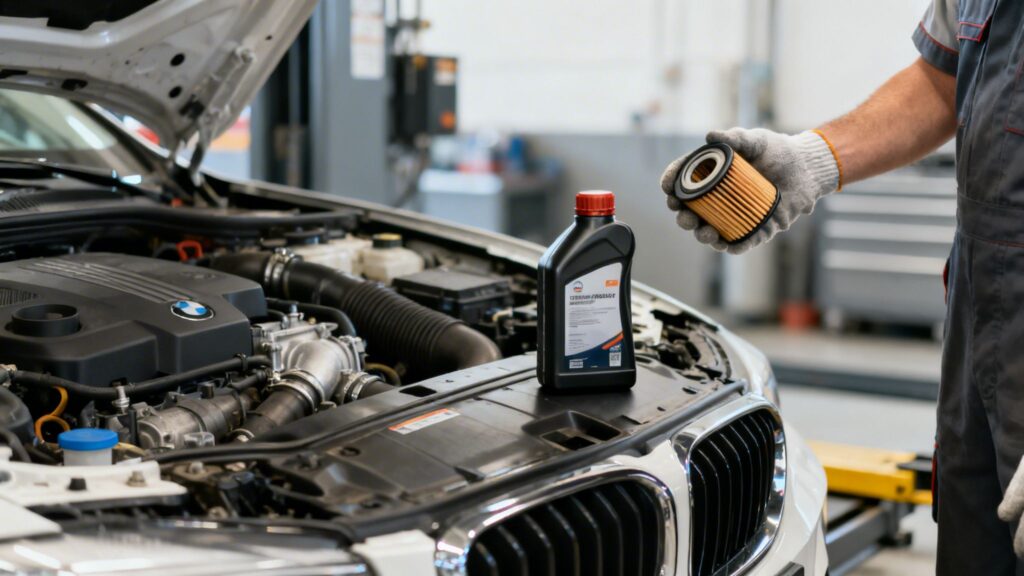
Definition:
A full-service oil change typically includes an oil and filter change along with a multi-point inspection of various vehicle systems such as brakes, battery, tires, and suspension. It also involves checking and topping off essential fluids (coolant, brake fluid, power steering fluid, transmission fluid, windshield washer fluid), inspecting tire pressure and tread, examining belts and wiper blades, and may include greasing the chassis and replacing air filters as needed.
<small>(References: 1, 2, 3, 4, 5, 6, 7, 8, 9, 10, 11)</small>
What’s Included in a Full Service Oil Change?
Here’s a summary of the typical components:
Oil and filter change
Multi-point inspection (brakes, battery, tires, suspension, steering, belts)
Fluid checks and top-offs (coolant, brake fluid, power steering fluid, transmission fluid, windshield washer fluid)
Tire inspection and inflation (tread depth, uneven wear, pressure)
Air filter and cabin air filter inspection/replacement
Serpentine belt and wiper blade inspection
Chassis greasing (if applicable, per manufacturer specifications)
Engine oil serves as the lifeblood of your vehicle’s engine. Over thousands of miles of operation, it accumulates contaminants and degrades, diminishing its ability to lubricate and protect the engine’s moving parts. A standard oil change primarily focuses on replacing the engine’s old oil and filter, ensuring proper engine lubrication, while a full-service maintenance includes a comprehensive checkup of various vehicle systems such as brakes, battery, and fluids.
A full service oil change can be compared to an annual physical examination for a person. While a basic oil change is beneficial, regular oil changes are essential for maintaining engine health, as engine oil lubricates moving parts, reduces friction, and prevents overheating. The full service option provides a complete assessment of the vehicle’s overall health, which is critical for long-term reliability and keeping your car in top shape.
Regular maintenance and full-service oil changes help keep the engine healthy and in top shape. Being proactive about warning signs and scheduling routine service ensures your vehicle’s moving parts are protected, helping you avoid costly repairs and maintain optimal performance.
Beyond a Simple Oil and Filter Swap
The foundational components of the service are, of course, fresh engine oil and a new oil filter. However, the “full service” designation is earned through the value-added inspection process. Technicians perform a systematic check of your vehicle’s most critical systems, extending their focus beyond the engine bay.
A full service oil change is a proactive maintenance strategy. It is designed to identify and address minor, rectifiable issues before they develop into major, costly failures that could compromise vehicle safety and reliability. Monitoring warning lights and addressing them promptly during these inspections can help prevent unexpected breakdowns.
For instance, during the inspection, a technician may identify a cracked serpentine belt or notice that tire pressures are below the manufacturer’s recommendation. Routine oil changes and using regular oil help prevent costly repairs and save money in the long run. Such issues, which affect fuel economy and pose safety risks, are often overlooked during a basic service. A full service oil change is a fundamental part of the basic car maintenance services that contribute to a vehicle’s longevity.
The Importance of a Professional Inspection
So, what is the scope of this multi-point inspection? This procedure acts as a diagnostic safety net, providing a clear overview of the vehicle’s current condition. The service ensures all critical systems—including brakes, tires, and other systems—are checked for optimal performance. It shifts the maintenance approach from reactive (fixing breakdowns) to proactive (preventing them).
A standard full service inspection typically includes:
Essential Fluid Levels: Verification and top-off of vital fluids, including engine coolant, brake fluid, power steering fluid, and windshield washer fluid, as part of the full-service oil change.
Key System Checks: A visual inspection of belts, hoses, and the engine air filter to detect signs of wear, cracking, or damage.
Safety Component Review: An assessment of tires, wiper blades, exterior lights, and the battery to ensure all are in proper working order.
Ultimately, opting for a full service oil change is a prudent decision for any vehicle owner. It provides peace of mind, enhances operational safety, and helps the engine function efficiently for years.
The Core Process: Oil Drainage and Proper Selection
The central procedure of any full service oil change is a methodical process focused on removing old, contaminated oil and replacing it with the correct grade and type of fresh oil. The process begins with the complete drainage of the used engine oil.
As an engine operates, the oil not only lubricates but also suspends microscopic metal shavings, dirt, and carbon byproducts. Over time, dirty oil and oil breaks—when oil degrades and becomes contaminated—can lead to engine problems by allowing dirt, debris, and sludge to accumulate. Regular oil changes help keep the engine clean, maintain engine cleanliness, and ensure contaminants are removed. Draining the oil completely flushes these harmful materials out, reducing friction between moving engine parts and helping to prevent damage to engine components. This not only prevents the accelerated wear that leads to expensive engine damage but also keeps your engine running smoothly and efficiently.
Filter Replacement and Oil Installation
With the old oil removed, the next mandatory step is replacing the oil filter. The filter’s function is to trap contaminants and keep the oil clean as it circulates. A clogged filter cannot perform this function effectively, so installing a new filter is critical to maintaining the purity of the new oil and ensuring optimal engine performance.
Finally, the engine is refilled with fresh, new oil. This step requires expertise, as different vehicles require different oil formulations based on age, mileage, and engine design. Using the correct oil ensures the engine components are properly lubricated, which is crucial for preventing wear, maintaining fuel efficiency, and avoiding costly repairs.
Selecting the correct oil grade and type is not merely a recommendation—it is essential for engine health, performance, and longevity. The wrong oil can negatively impact fuel economy and cause premature wear, whereas the correct oil provides optimal protection.
Conventional vs. Synthetic: Understanding the Options
A car oil change is a routine part of vehicle maintenance for most vehicles, helping to keep your engine running smoothly and efficiently. A technician will typically recommend one of four primary oil types, each formulated for a specific application. Understanding these differences empowers you to make an informed decision during your service.
Conventional Oil: This is a traditional, mineral-based oil refined from crude oil. It is the most economical option and is suitable for many older vehicles with less complex engine designs and low mileage.
Synthetic Blend Oil: A mixture of conventional and synthetic base stocks, this oil offers improved protection against high temperatures and heavy loads. It provides a balance between performance and cost.
High-Mileage Oil: This formulation is specifically engineered for vehicles with over 75,000 miles. It contains special additives and seal conditioners designed to reduce oil leaks, minimize oil consumption, and help restore performance in older engines.
Full Synthetic Oil: This is the most advanced option, chemically engineered for maximum protection and performance. It offers superior resistance to thermal breakdown, performs better in extreme temperatures, and allows for longer intervals between oil changes. For more detail, you can learn what oil viscosity means and its impact on your engine.
Most modern vehicles, particularly those with turbocharged or direct-injection engines, require full synthetic oil to meet vehicle manufacturer specifications. While it has a higher initial cost, its long-term engine protection and durability often make it the most economical choice over time. A qualified technician can help you select the ideal oil for your specific vehicle.
While an oil change is recommended every few thousand miles for most vehicles, a full-service maintenance is usually performed at larger mileage milestones or as scheduled by the vehicle manufacturer to ensure all systems are properly maintained.
The Multi-Point Inspection: A Detailed Examination
The “full service” aspect of a full service oil change is defined by the multi-point inspection. This is not a cursory glance but a detailed examination of your vehicle’s key systems—including brakes, battery, tires, and suspension systems—performed by a trained technician. This process transforms a routine service into a powerful form of preventative maintenance.
An experienced technician can identify nascent problems before they evolve into costly repairs or expensive repairs. For example, a fraying serpentine belt is a simple replacement in the shop but can cause a major failure if it breaks during operation. Detecting such issues early is the primary value of a thorough inspection.
Fluid Checks Beyond Engine Oil
While fresh engine oil is the primary focus, a vehicle relies on several other fluids to operate correctly. A technician will check both the level and condition of each, topping them off as necessary.
Coolant (Antifreeze): This fluid regulates engine temperature, preventing overheating in summer and freezing in winter. Low or contaminated coolant can lead to severe engine damage.
Brake Fluid: This hydraulic fluid is essential for braking performance. Old, moisture-contaminated fluid can reduce braking effectiveness and feel “spongy.”
Transmission Fluid: This fluid lubricates and cools the transmission’s complex internal components. Low or burnt fluid can cause shifting problems and lead to catastrophic transmission failure.
Power Steering Fluid: This fluid facilitates effortless steering. When low, it can cause a whining noise and make steering difficult.
Inspection of Belts, Hoses, and Other Key Components
The inspection continues with a visual assessment of rubber and mechanical parts. These components operate in an environment of extreme heat and constant vibration, leading to natural degradation over time.
A technician will look for cracks, leaks, and signs of wear on all belts and hoses. Suspension and chassis components are also checked to ensure they are in good shape, as keeping these parts in good shape is essential for safe handling and ride quality. They will also test the battery to ensure it holds a proper charge, which helps prevent a no-start situation. The inspection also includes safety-related items, such as checking for cloudy or oxidized headlights that can significantly impair night visibility.
The multi-point inspection provides a comprehensive health report for your vehicle. It is a proactive measure that helps prevent breakdowns, enhances safety, and saves money by identifying minor issues before they become major failures.
The infographic below illustrates the common oil types a technician may recommend based on the inspection and your vehicle’s needs, as discussed previously.
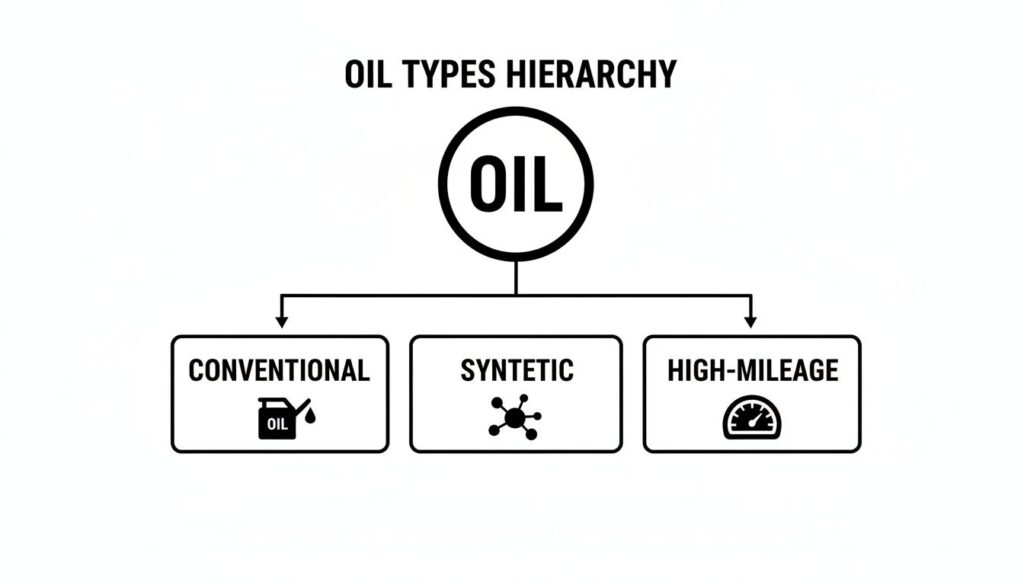
This visual guide helps clarify the options available, connecting them to your vehicle’s specific age, mileage, and performance requirements.
Tire and Undercarriage Safety Check
Finally, the inspection addresses the vehicle’s foundation: the tires and undercarriage. A technician will check tire pressure and adjust it to the manufacturer’s specifications. They will also inspect the tread for uneven wear patterns, which can be an early indicator of a wheel alignment problem. Additionally, checking fluid levels during this process is crucial, as low or contaminated fluids can affect the ease of turning the steering wheel and overall driving safety.
This thorough process is a cornerstone of the U.S. oil change service market, which was valued at approximately $8.2 billion in 2024 and is projected to grow to $14.8 billion by 2034. Furthermore, data indicates that consistent maintenance, including these inspections, can extend engine life by up to 50%, making a full service oil change one of the best long-term investments for a vehicle. You can explore more automotive maintenance market trends here.
Analyzing the Value of a Full Service Oil Change
DIY Oil Change vs. Professional Service
When considering vehicle maintenance, it is natural to focus on the upfront cost. In fact, many drivers delay essential maintenance like oil changes due to financial concerns. However, regular maintenance helps save money in the long run by preventing costly repairs and keeping your vehicle well maintained. The more relevant metric is long-term value. A full service oil change performed by professionals offers benefits that extend far beyond what a quick-lube service or a DIY approach can provide.
Quick Lube Service Limitations
Attempting an oil change yourself can seem cost-effective. However, after accounting for the purchase of tools, the correct oil and filter, and the proper, legal disposal of used oil, the financial savings diminish. Critically, this approach lacks the diagnostic expertise of a certified technician who can identify underlying problems. Even well-maintained vehicles can experience unexpected breakdowns, so choosing a comprehensive service helps ensure you’re protected against surprises.
Full Service Oil Change: Comprehensive Protection
Conversely, a quick oil change is a simple, routine service focused on replacing engine oil quickly, prioritizing speed over thoroughness. While expedient, this type of oil change focuses solely on engine oil and filter replacement and omits the vital multi-point inspection that can detect developing issues within the engine and other vehicle systems.
This is where the full service oil change demonstrates its superior value.
The service is not just an oil replacement; it is an investment in preventative care. The long-term savings and peace of mind gained from a comprehensive inspection significantly outweigh the marginal difference in initial cost.
Industry data supports this conclusion. The oil change sector is projected to encompass 25,174 businesses by 2025, a competitive landscape where service quality is a key differentiator. Neglecting proper maintenance can lead to a 20-30% loss in engine efficiency and carries the risk of engine failure, with an average repair cost of $4,000, according to oil change industry statistics
A Comparative Financial Impact Analysis
Let’s examine the long-term outcomes of each maintenance choice.
DIY Oil Change: Saves on labor costs but requires an investment in supplies and tools. The primary risk is overlooking a developing issue, such as a frayed belt or a minor fluid leak, which can lead to a major repair bill.
Quick Lube Service: Offers a low-cost, fast oil change. However, by focusing on speed, technicians are unlikely to check tire wear, brake fluid condition, or battery health, leaving the owner exposed to potential unexpected breakdowns.
Full Service Oil Change: While the initial cost is slightly higher, the integrated inspection functions as an early warning system. Identifying a worn hose or low transmission fluid during a routine visit can prevent costly repairs and reduce the risk of unexpected breakdowns.
In summary, a full service oil change provides the best return on investment by bundling essential fluid replacement with expert diagnostics, transforming a simple task into powerful protection for your vehicle by helping prevent costly repairs and minimizing the chance of unexpected breakdowns.
For more information on pricing, consult our guide on how much an oil change costs and the factors that influence it.
Cost, Time, and Recommended Service Intervals
Three key questions arise for every vehicle owner regarding this service: What is the cost, how long does it take, and what is the proper frequency? Planning for your next service is essential for ongoing vehicle care and helps maintain your car’s safety and performance.
The price of a full service oil change is determined by the vehicle and the type of oil it requires. A conventional oil change is the most economical option, whereas a premium full synthetic oil has a higher initial cost.
However, the higher price of synthetic oil is often offset by its superior engine protection and extended performance life, which allows for longer intervals between services. Recommended service intervals can vary depending on your driving conditions and habits, so it’s important to consult your owner’s manual for vehicle-specific guidance. This can result in fewer shop visits per year, saving both time and money over the long term.
How Long Does the Service Take?
A professional full service oil change is a surprisingly efficient process. The time commitment is minimal for the level of care provided.
At a well-equipped service center, the entire procedure—including the oil and filter change, fluid top-offs, and multi-point inspection—is typically completed in approximately 30 to 45 minutes
This efficiency allows owners to integrate this essential maintenance into their schedules with minimal disruption.
Moving Beyond the 3,000-Mile Myth
It is important to understand the modern guidelines for oil change frequency. The outdated “3,000-mile rule” is no longer applicable to contemporary vehicles and lubricants. Advanced engine technology and sophisticated oil formulations have significantly extended service intervals.
Regular maintenance, including routine oil changes with regular oil or synthetic blends, is essential for engine longevity and overall vehicle performance. For most modern cars using synthetic or synthetic blend oils, the recommended interval is between 5,000 and 10,000 miles. The vehicle’s owner’s manual provides the most accurate service schedule. For additional context, see our guide on how often you should change your oil
It is also important to consider that driving habits influence oil life. More frequent service may be necessary under “severe” driving conditions:
Frequent stop-and-go city traffic
Regular short-distance trips (under 10 minutes)
Operation in extreme heat or cold
Towing trailers or hauling heavy loads
These activities place additional stress on the engine, and a more frequent oil change schedule is a wise preventative measure.
Where to Get Your Full Service Oil Change in Plano
Understanding the components of a full service oil change is important, but selecting a trustworthy service provider is paramount. A reputable local auto shop delivers more than just mechanical service; it provides confidence and peace of mind.
For drivers in Plano, TX, this means seeking a team of experienced technicians who offer honest assessments without aggressive upselling. It is about establishing a professional relationship built on reliability, for both routine maintenance and unexpected repairs.
The Importance of Local Expertise
Vehicle maintenance is most effective when it is convenient. A local service center that accommodates walk-in appointments and provides efficient service makes a significant difference in adhering to a proper maintenance schedule.
A quality auto shop is an integral part of its community. Trust is established through transparent communication, fair pricing, and high-quality work that ensures the safety of local families.
At , we are committed to this principle. We are proud to offer discounts to military members and first responders as a way of supporting our community. Our mission is to deliver excellent service and genuine value, allowing our customers to drive with complete confidence.
Frequently Asked Questions About Full Service Oil Changes
What does a full service oil change include?
A full service oil change at Express Lube & Car Care includes draining and replacing your engine oil, installing a new oil filter, topping off essential fluids, checking tire pressure, and performing a multi-point inspection. We also inspect the engine air filter and cabin air filter, replacing them if needed, to ensure optimal engine performance and maintain fresh air quality inside your vehicle. This comprehensive approach helps keep your engine clean by removing dirt, debris, and sludge, which prevents wear and keeps your engine running smoothly and efficiently.
How often should I get a full service oil change?
Most vehicles benefit from a full service oil change every 3,000 to 5,000 miles, but always refer to your owner’s manual for the manufacturer’s recommended interval and specific maintenance procedures.
Why is it important to replace the cabin air filter?
Replacing the cabin air filter during a full service oil change helps maintain clean air inside your vehicle, prevents musty odors, and ensures proper airflow from your AC system.
Does a full service oil change help with engine cleanliness?
Yes, regular oil changes are essential for keeping your engine clean. Fresh oil helps remove contaminants and sludge, protecting your engine from premature wear and maintaining its efficiency.
Can I Provide My Own Oil?
While we understand the desire to use a specific oil brand, most professional shops, including ours, use their own inventory. This policy is not for upselling but is a matter of liability and quality assurance.
Using our own high-quality oil ensures that it meets your vehicle’s warranty specifications and is the precise grade (e.g., 5W-30) recommended by the manufacturer. This process guarantees your engine receives the correct protection without ambiguity.
Is This Service Necessary for a New Vehicle?
Yes, it is. Adhering to the manufacturer’s recommended service schedule is the most effective way to maintain a new vehicle’s warranty.
The initial oil changes are particularly crucial for a new engine. This service flushes out microscopic metal particles generated during the engine's break-in period, ensuring a clean internal environment for a long and reliable service life.
What Occurs if an Inspection Uncovers a Problem?
If our multi-point inspection identifies an issue, our immediate first step is to inform you. We will show you our findings, explain the potential consequences, and provide a clear, no-pressure estimate for the repair.
We will also provide a professional recommendation on the urgency of the repair. You will have all the necessary information to approve the work immediately or to schedule it for a later date. Our operational goal is always transparency and trust, ensuring you remain in control of all maintenance decisions.
For a dependable, no-pressure full service oil change in Plano, TX, trust the ASE-certified team at Express Lube & Car Care. We provide fast service with no appointment necessary. Visit us today at https://www.expresslubeplano.com and drive away with confidence.