

Your car's battery is the unsung hero of your daily commute, silently powering everything from the engine starter to the infotainment system. Yet, it's often ignored until it fails, leaving you stranded at the most inconvenient time. In a climate like Plano, Texas, where summer heat puts immense strain on vehicle components, proactive battery care isn't just a good idea; it's essential for reliability and safety. A dead battery is more than a minor annoyance, it can lead to costly towing fees, missed appointments, and unexpected repair bills.
This guide moves beyond generic advice to provide a practical, educational roundup of actionable car battery maintenance tips. We will dive into routine checks you can perform yourself, explain the science behind common battery problems, and clarify when to trust ASE-certified technicians to keep your vehicle in peak condition. By following these 8 essential tips, you can extend your battery's lifespan, save money, and drive with the confidence that comes from knowing your car will start every single time. Let’s power up your knowledge and secure your vehicle's dependability.
1. Regular Battery Terminal Cleaning and Corrosion Removal
One of the most effective car battery maintenance tips involves something you can see right under the hood: the battery terminals. Over time, these connection points can accumulate a fuzzy, crystalline buildup that is typically white, green, or blue. This substance is corrosion, a form of oxidation resulting from a chemical reaction involving hydrogen gas released by the battery acid and the metal terminals.
Corrosion acts as an insulator, creating resistance that disrupts the flow of electricity. This forces your alternator to work harder to charge the battery and can prevent your engine from getting the power it needs to start, especially during Plano’s cold winter mornings. A clean connection ensures maximum efficiency and can prevent a no-start situation that leaves you stranded.
Why This Maintenance Is Crucial
Ignoring terminal corrosion is a common but costly mistake. The increased electrical resistance can shorten your battery's lifespan by one to two years and put unnecessary strain on your vehicle's entire charging system. For busy commuters and families in the Plano area, preventing a sudden breakdown is well worth the minimal effort this task requires.
Key Insight: Fleet managers in the Dallas area have reported a significant drop in battery-related downtime-up to 30%-after implementing a simple quarterly terminal cleaning schedule across their vehicles.
How to Safely Clean Your Battery Terminals
You can perform this task at home with a few simple tools and safety precautions.
- Safety First: Always wear safety glasses and gloves. Battery acid is corrosive. Ensure the engine is off and has had time to cool down.
- Disconnect Properly: Disconnect the negative (black) terminal first, followed by the positive (red) one. This sequence prevents accidental electrical shorts if your tool touches a metal part of the car.
- Clean the Corrosion: Use a wire brush designed for battery terminals to scrub away the buildup. A paste made from baking soda and water is a classic, effective cleaning agent that neutralizes the acid.
- Reconnect in Reverse: Once the terminals and posts are clean and dry, reconnect the positive (red) terminal first, then the negative (black) one. This re-establishes the circuit safely.
For a professional touch, our technicians can inspect and clean your terminals during any routine oil change or service. It's a quick check that provides significant peace of mind.
2. Monitor Battery Voltage and Health with Regular Testing
Beyond visible corrosion, a battery’s internal health is the most critical factor in its reliability. One of the best car battery maintenance tips is to regularly test its voltage, which measures the battery's electrical potential and gives a clear picture of its state of charge. A healthy, fully charged 12-volt car battery should read around 12.6 volts when the engine is off. A simple test with a digital multimeter or a professional-grade load tester can predict potential failure long before you're left stranded.
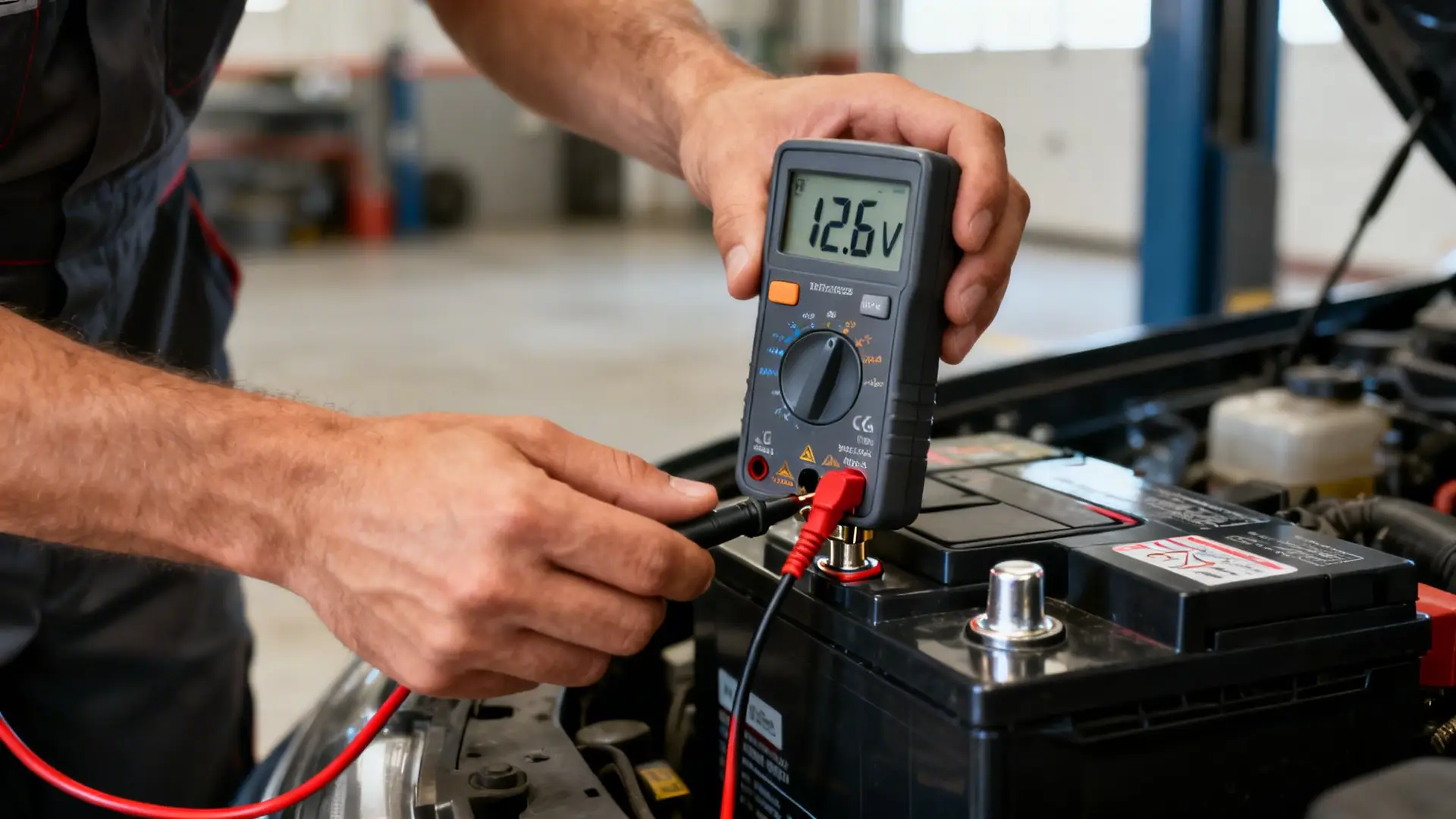
For Plano drivers, this proactive check is invaluable. It can identify a weakening battery one to three months before it fails completely, turning a potential roadside emergency into a scheduled, convenient replacement. This is especially true as a battery must maintain at least 9.6 volts while cranking to reliably start your engine, a threshold that gets harder to meet in cold weather.
Why This Maintenance Is Crucial
Ignoring a battery's declining voltage is like ignoring a slow leak in a tire; failure is not a matter of if, but when. Regular testing provides data-driven insight, allowing you to track the battery's health over time and replace it on your terms. This prevents the stress and expense of an unexpected breakdown, a tow truck, and an emergency repair.
Key Insight: Many small business fleet managers in Plano prevent costly vehicle downtime by scheduling quarterly battery tests for all their vehicles, ensuring their operations run without interruption from preventable no-starts.
How to Stay on Top of Battery Health
Integrating battery testing into your routine maintenance schedule is simple and effective.
- Routine Checks: Ask for a battery test with every oil change, especially if your battery is over three years old. Many shops, including Express Lube Plano, offer this as a complimentary service.
- Track the Decline: Keep a log of the voltage readings. A consistent drop over several months is a clear sign that the battery is nearing the end of its life. Understanding the numbers is easy with our car battery voltage chart.
- Time Your Tests: For an accurate reading, test the battery after the car has been off for at least an hour. This measures the resting voltage, not a surface charge from recent driving.
- Diagnose Other Issues: If you notice dimming headlights or slow engine cranking, request a battery test immediately. These are often the first symptoms of a failing battery.
At Express Lube & Car Care, our technicians use modern diagnostic equipment to perform quick and accurate battery health checks, giving you the information you need to make an informed decision and drive with confidence.
3. Maintain Proper Battery Charging with Alternator Inspection
While your battery provides the initial power to start your car, the alternator is the workhorse that keeps it charged while the engine is running. This component acts as a small generator, converting mechanical energy from the engine into electrical energy. It replenishes the battery's charge and powers all your vehicle's electrical systems, from headlights to the radio.
A failing alternator cannot produce enough voltage to keep the battery topped off. A healthy system should output between 13.5 and 14.5 volts. If the output drops, your battery will slowly drain as you drive, even with a new battery installed. This is why regular alternator inspection is one of the most important car battery maintenance tips for preventing unexpected breakdowns.
Why This Maintenance Is Crucial
Ignoring a weak alternator is a surefire way to ruin a perfectly good battery and strain your entire electrical system. For Plano commuters, a failing alternator can lead to a dead battery mid-drive, creating a dangerous and stressful situation on busy roads like the Dallas North Tollway. A functional charging system can extend your battery's life by two to three years and prevent these sudden electrical failures.
Key Insight: Fleet managers in the Dallas area have found that preventative alternator testing on vehicles approaching 100,000 miles dramatically reduces unexpected vehicle downtime and tow-related expenses, especially for their high-mileage fleets.
How to Keep Your Charging System Healthy
While a full diagnostic requires professional tools, you can monitor your vehicle for signs of alternator trouble.
- Watch for Warning Lights: The most common sign is the dashboard battery indicator light illuminating while you're driving. This light specifically signals a problem with the charging system, not necessarily the battery itself.
- Schedule Regular Inspections: Ask for an alternator output test during your regular maintenance visits, particularly for vehicles with over 100,000 miles. Our technicians at Express Lube & Car Care can perform a quick voltage test.
- Check the Serpentine Belt: The alternator is driven by the serpentine belt. A worn, cracked, or loose belt can't spin the alternator pulley effectively, reducing its output. This should be inspected along with the alternator.
- Be Aware of Symptoms: Dimming headlights, slow-operating power windows, or a whining noise from the engine bay can all indicate a struggling alternator. If you notice these issues, it's time for a professional check. You can learn more about the signs of a bad alternator to better diagnose the problem.
4. Protect Battery from Extreme Temperature Exposure
Your car battery operates best within a specific temperature window, roughly between 50-85°F. However, for drivers in Plano, Texas, where summer temperatures can soar above 100°F and winter brings occasional freezes, this optimal range is often a distant memory. Extreme temperatures are a primary cause of premature battery failure, making temperature protection one of the most vital car battery maintenance tips.
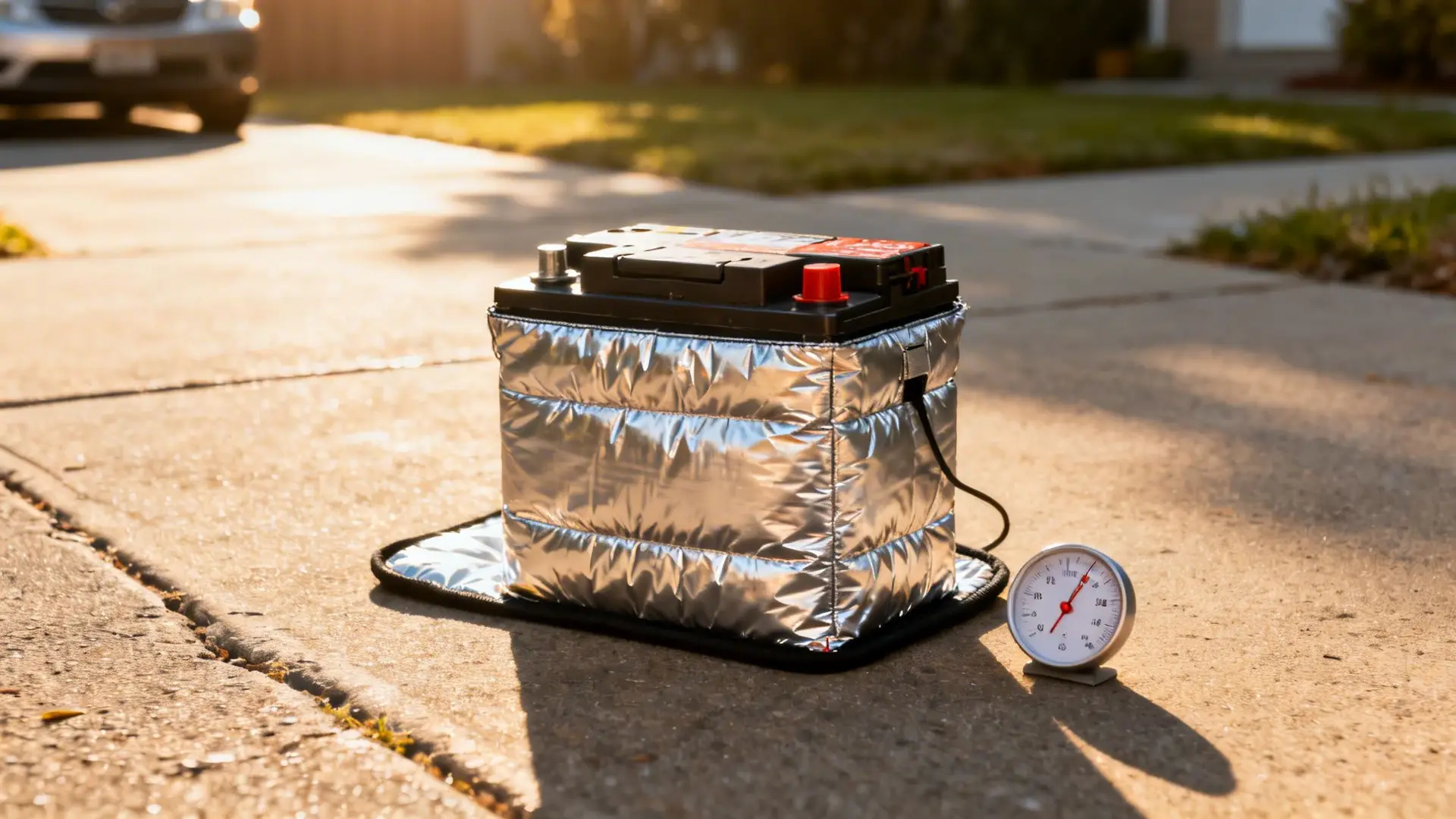
High heat accelerates the chemical reactions inside the battery, leading to faster degradation and fluid evaporation, which can drastically shorten its lifespan. Conversely, extreme cold thickens the battery's internal fluids, reducing its available power by as much as 50% and making it much harder to start your engine. Shielding your battery from these extremes ensures it delivers reliable power year-round.
Why This Maintenance Is Crucial
Ignoring temperature exposure forces your battery to work under constant stress. Searing Texas heat can cook a battery from the inside out, while a sudden cold snap can leave you with a dead battery on the coldest morning of the year. For busy commuters and families in the Plano area, taking steps to regulate battery temperature is a proactive measure that prevents unexpected breakdowns and costly replacements.
Key Insight: Many Plano residents who install simple battery insulators or thermal wraps report a noticeable increase in battery life, with some extending it by 20-30%, saving them from premature and frequent battery purchases.
How to Protect Your Battery from Temperature Swings
You can minimize temperature damage with a few straightforward habits and affordable accessories.
- Park Smart: Whenever possible, park your car in a garage, a carport, or a shaded area. This simple act significantly reduces direct sun exposure in the summer and insulates against freezing air in the winter.
- Use a Battery Insulator: A battery insulator or thermal wrap is a sleeve that fits around your battery. It acts like a thermos, slowing down temperature changes and protecting the battery from extreme engine bay heat.
- Install a Battery Blanket: For periods of intense cold, a battery blanket is an electric heater that plugs into a wall outlet and wraps around the battery, keeping it warm overnight for a reliable start.
- Ensure Proper Airflow: Keep the vents in your engine compartment clear of leaves and debris to allow for proper air circulation, which helps dissipate heat.
Before summer or winter hits, ask our technicians to inspect your battery and recommend the best protection products for your vehicle. This quick check can save you from a temperature-induced battery failure.
5. Minimize Parasitic and Accessory Electrical Drain
Even when your car is turned off, certain electrical components continue to draw a small amount of power to maintain memory for settings, security systems, and keyless entry receivers. This slow, steady discharge is known as parasitic drain. While a small drain is normal (typically 20-50 milliamps), an excessive drain from a faulty component can kill a battery in days.
This is different from accessory drain, which happens when you actively use features like the radio, lights, or phone chargers while the engine is off. Both types of drain put unnecessary strain on your battery by depleting its charge without the alternator running to replenish it. Understanding how to manage this is a critical part of any car battery maintenance routine.
Why This Maintenance Is Crucial
Ignoring electrical drain is a surefire way to shorten your battery’s life and risk getting stranded. For Plano commuters who may leave their car at a DART station all day or families who use their vehicle for short trips, minimizing these power draws prevents the frustrating experience of a dead battery. A battery that is constantly being drained and recharged will degrade much faster than one that maintains a stable charge.
Key Insight: A Dallas-area fleet manager discovered that newly installed aftermarket GPS trackers were causing a 40% faster battery drain on their parked delivery vans, leading to costly service calls. Disabling the units during non-business hours eliminated the problem.
How to Safely Reduce Electrical Drain
You can take several proactive steps to protect your battery from both parasitic and accessory drain.
- Be Mindful of Accessories: Before exiting your vehicle, make a habit of turning off all lights, the radio, and the climate control system. Unplug any devices from charging ports.
- Check for Proper Shutdown: Ensure all doors, the trunk, and the hood are fully closed. A slightly ajar door can leave an interior light on, creating a significant drain overnight.
- Manage Aftermarket Electronics: If you have aftermarket alarms, dash cams, or audio systems, be aware they are common culprits of excessive parasitic drain. Consider disabling them if the vehicle will be parked for several days.
- Professional Diagnosis: If your battery repeatedly dies after a day or two of non-use, it's time for a professional parasitic drain test. Technicians at Express Lube & Car Care use an ammeter to measure the electrical draw when the car is off, pinpointing the faulty component.
If you are wondering what causes a car battery to drain overnight, a professional diagnostic can provide clear answers. Our technicians can perform this test during any routine service to ensure your vehicle’s electrical system is functioning correctly.
6. Replace Battery Cables and Connectors When Corroded or Damaged
While clean terminals are important, the cables connecting them to your car are just as critical. The positive and negative battery cables are the main arteries that transfer power from the battery to your engine's starter and the rest of the electrical system. If these cables become frayed, cracked, or internally corroded, their ability to conduct electricity is severely hampered.
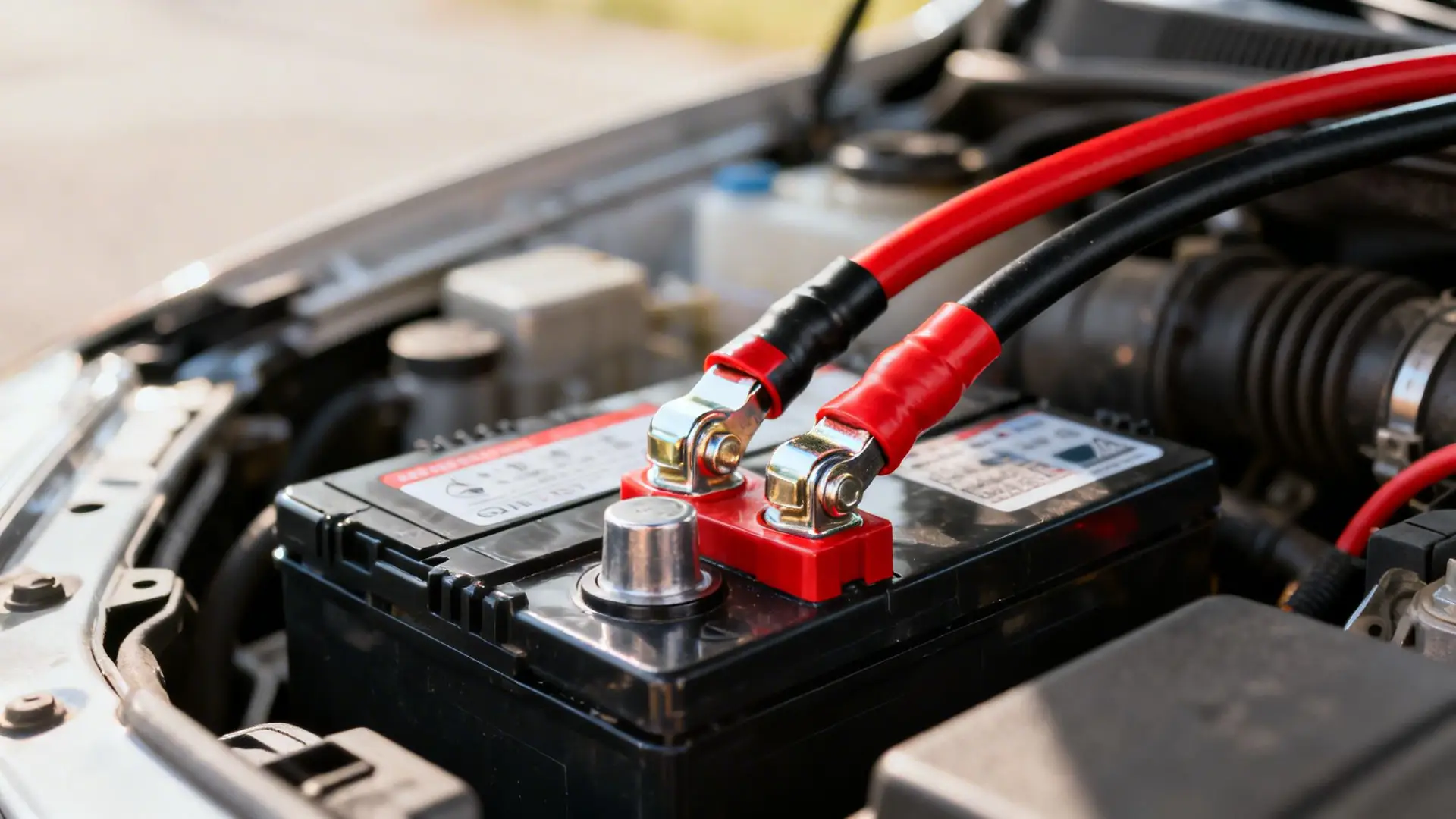
Degraded cables force the battery and alternator to work harder, accelerating their failure and reducing available power. This can lead to sluggish starting, dimming headlights, and intermittent electrical problems. For Plano drivers, especially healthcare workers and first responders who depend on a reliable start, maintaining cable integrity is a crucial piece of preventative maintenance.
Why This Maintenance Is Crucial
Ignoring damaged battery cables is a significant risk. A poor connection can mimic the symptoms of a dead battery, leading to unnecessary and expensive battery replacements. In extreme cases, a severely damaged cable can overheat due to high electrical resistance, creating a serious fire hazard. Ensuring your cables are in good condition is a fundamental car battery maintenance tip that guarantees your vehicle gets the power it needs safely and efficiently.
Key Insight: ASE-certified technicians consider cable inspection a standard part of any professional electrical system diagnostic, as compromised cables are a frequent and often overlooked source of starting and charging problems.
How to Inspect and Address Cable Issues
You can perform a quick visual inspection of your battery cables, but replacement should be handled by a professional.
- Visual Inspection: During your routine checks, look at the entire length of both the red (positive) and black (negative) cables. Look for cracks in the insulation, swelling, or green and white corrosion creeping up from the connectors.
- Check for Tightness: Gently try to wiggle the cable connectors at the battery terminal. They should be completely secure. A loose connector can cause the same issues as a corroded one.
- Know When to Replace: If corrosion on the cable or connector is too severe to be cleaned or if the cable itself is physically damaged, it must be replaced. Cleaning is only a temporary fix for a deteriorating cable.
- Ensure Proper Routing: Cables should be secured and routed away from hot engine components or moving parts to prevent chafing and heat damage.
When you visit us for any battery service, ask our technicians to include a thorough cable inspection. This simple step can prevent a future breakdown and protect your vehicle's entire electrical system.
7. Follow Manufacturer's Battery Replacement Schedule Based on Age
One of the most proactive car battery maintenance tips is to replace your battery based on its age, rather than waiting for it to fail. Most car batteries are designed to last between three to five years. Factors like driving habits, charging system performance, and climate dramatically influence this lifespan. By following the manufacturer's recommended replacement window, you can avoid an unexpected breakdown and the associated stress.
This preventative approach ensures your vehicle remains reliable. In Plano, Texas, where extreme summer heat can accelerate battery degradation, replacing a battery closer to the three or four-year mark is a smart investment. It's often more cost-effective than paying for an emergency replacement, potential towing fees, and the inconvenience of being stranded on the side of the road during a busy commute.
Why This Maintenance Is Crucial
Ignoring a battery’s age is a gamble. As a battery gets older, its internal components degrade and its ability to hold a charge diminishes, making it more susceptible to failure, especially during the first cold snap of winter or on a scorching summer day. For families and commuters in the Plano area, planning this replacement provides peace of mind and prevents a minor issue from becoming a major disruption.
Key Insight: Many fleet managers schedule battery replacements at the three-year mark as a standard procedure. This simple step prevents significant operational downtime and has proven to reduce battery-related service calls and vehicle-out-of-service events.
How to Plan Your Battery Replacement
Staying on top of your battery's age is simple and can be integrated into your regular vehicle upkeep.
- Safety First: When inspecting your battery, ensure the engine is off and cool. Always avoid touching terminals with bare hands or metal tools simultaneously.
- Check the Date Code: Locate the date code on your battery's case. It's often a sticker or a four-digit code stamped into the plastic (e.g., "09/24" for September 2024), indicating the month and year of manufacture.
- Set a Reminder: After installing a new battery, mark your calendar for a three-year check-up. This reminds you to start monitoring its health and plan for a replacement.
- Keep Your Receipt: Store the receipt from your battery installation. It documents the purchase date, which is essential for warranty claims and tracking its service life.
- Time it Right: Plan your replacement before extreme weather hits. Getting a new battery in the fall or spring ensures you have maximum starting power for the demanding winter and summer seasons.
At Express Lube & Car Care, our technicians can test your battery's age and health during any routine oil change. We can help you understand its condition and plan for a future replacement.
8. Use Quality Battery Products and Maintain Records for Warranty Coverage
Not all car batteries are created equal. One of the most important car battery maintenance tips involves making a smart choice from the very beginning by investing in a quality product. Battery quality varies significantly between manufacturers, with premium brands offering better materials, longer lifespans, and more robust warranty coverage than their budget counterparts.
A quality battery from a reputable brand often includes superior internal lead plates, advanced electrolyte formulations, and improved resistance to vibration. These features translate to reliable starting power and a longer service life, making the higher upfront cost a worthwhile investment for long-term value and peace of mind. For drivers in Plano, this means fewer unexpected failures, especially when facing extreme Texas temperatures.
Why This Maintenance Is Crucial
Choosing a cheap, off-brand battery might save a few dollars initially, but it often leads to premature failure, leaving you stranded and facing replacement costs sooner. A quality battery, backed by a solid 3-to-5-year warranty, provides protection against manufacturing defects. By maintaining proper records, you ensure that if the battery fails within its warranty period, you are covered for a replacement, effectively protecting your investment.
Key Insight: Fleet managers in the Dallas area have reported a significant reduction in battery replacement costs by standardizing their vehicles with premium batteries. The longer warranty periods and superior reliability directly translate to lower operational expenses and less vehicle downtime.
How to Maximize Battery Value and Warranty Coverage
Ensuring you get the most out of your battery purchase involves a combination of smart shopping and diligent record-keeping.
- Choose Reputable Brands: Opt for well-known battery brands that are ranked highly by consumer organizations for their reliability and warranty value.
- Keep All Documentation: Securely store your installation receipt and the battery’s warranty card with your vehicle’s maintenance records. This documentation is essential for making a successful warranty claim.
- Request Professional Records: When you have a new battery installed, ask the service center to provide written documentation of the installation date and battery details.
- Understand the Terms: Read the warranty fine print. Most warranties cover manufacturing defects but will not cover failure due to driver neglect, such as leaving lights on or failing to maintain the charging system.
At Express Lube & Car Care, our technicians can help you select a quality battery that matches your vehicle's specific needs, especially for modern cars with high electrical demands. We provide complete documentation for your records, ensuring you’re prepared to take full advantage of your warranty.
8-Point Car Battery Maintenance Comparison
| Strategy | Implementation Complexity 🔄 | Resource Requirements & Cost ⚡ | Expected Outcomes / Impact 📊 | Ideal Use Cases 💡 | Key Advantages ⭐ |
|---|---|---|---|---|---|
| Regular Battery Terminal Cleaning and Corrosion Removal | Low — basic tools, ~15–20 min, safety precautions | Minimal materials (baking soda/brush) $0–15 | Improves connections, lowers resistance, can extend life ~1–2 yrs | Routine upkeep every 3–6 months, commuters, humid/coastal areas | Inexpensive preventive fix, can restore weak batteries |
| Monitor Battery Voltage and Health with Regular Testing | Low–Medium — quick 5–10 min diagnostic, no disconnect | Multimeter/load tester; $15–25 (often complimentary) | Predicts failure 1–3 months early, identifies charging issues, ~85–90% accuracy | Batteries >3 yrs, pre-trip or seasonal checks, fleets | Early detection, enables planned replacement, low cost |
| Maintain Proper Battery Charging with Alternator Inspection | Medium — requires engine-running diagnostics | Charging-system tools; diagnostic $20–40, replacement $300–600 | Prevents slow drain, extends battery life ~2–3 yrs, avoids mid-drive failures | Vehicles >100k miles, battery warning light, high-electrical-load use | Detects charging faults early, protects battery and systems |
| Protect Battery from Extreme Temperature Exposure | Low — passive measures (parking, insulators) | Thermal wraps/insulators $15–35, shade/garage access | Reduces heat/cold stress, can extend life to 4–5+ yrs in hot climates | Hot climates (Texas), outdoor-parked vehicles, seasonal extremes | Cost-effective life extension, improves cold start reliability |
| Minimize Parasitic and Accessory Electrical Drain | Medium–High — systematic ammeter testing, component isolation | Ammeter/diagnostic time; testing $50–100, possible repair costs | Prevents repeated dead batteries, locates faulty drains, reduces stress | Vehicles parked for days, aftermarket electronics, fleet cars | Identifies root causes, reduces recurring discharge events |
| Replace Battery Cables and Connectors When Corroded or Damaged | Medium — professional replacement advised for safety | Parts + labor typically $100–250 | Restores reliable power delivery, prevents intermittent starts and arcing | Visible corrosion, frayed/loose cables, older vehicles | Improves safety and starter performance, eliminates poor connections |
| Follow Manufacturer's Battery Replacement Schedule Based on Age | Low — planned scheduled replacement | Replacement cost $100–300; promotions can reduce cost | Prevents unexpected failure, avoids towing, predictable maintenance | Batteries ~3–4 yrs old, hot-climate drivers, fleet maintenance | Reliability through proactive replacement, budget-friendly planning |
| Use Quality Battery Products and Maintain Records for Warranty Coverage | Low — select premium brands and save documentation | Higher upfront $120–200+, AGM premium; retain receipts/warranty | Longer lifespan (≈1–2 yrs longer), warranty coverage 2–5 yrs | High-electrical-demand vehicles, long-term owners, fleets | Better performance/temperature resistance, warranty protection |
Your Partner in Proactive Car Care
Understanding the inner workings of your vehicle’s electrical system puts you firmly in the driver's seat of its long-term health. The practical car battery maintenance tips detailed in this guide are designed to do more than just prevent a dead battery; they are about shifting your mindset from reactive problem-solving to proactive, preventative care. You now possess the knowledge to keep your battery terminals free of performance-robbing corrosion, the skills to monitor your battery’s voltage, and the awareness to protect this vital component from Plano’s intense summer heat and winter cold snaps.
Mastering these concepts fundamentally changes your relationship with your vehicle. Instead of being caught off guard by a car that won’t start, you can now recognize the subtle warning signs of a failing alternator or the frustrating symptoms of a parasitic drain. This foresight not only saves you from the inconvenience and stress of a roadside breakdown but also helps you budget for necessary repairs and replacements, like new cables or a battery reaching the end of its manufacturer-recommended service life. Each small action, from a quick visual inspection to keeping detailed service records for warranty purposes, contributes to a more reliable and cost-effective ownership experience.
From DIY Diligence to Professional Partnership
While these DIY car battery maintenance tips are powerful, professional expertise provides the ultimate safety net. Consistent, diligent home care paired with expert diagnostics creates an unbeatable strategy for vehicle longevity. Even the most dedicated car owner can benefit from the advanced tools and seasoned experience of an ASE-certified technician. At Express Lube & Car Care, we bridge the gap between your efforts and your vehicle's complex needs.
Our Plano facility is equipped with modern diagnostic equipment that goes beyond a simple multimeter test. We can perform a comprehensive starting and charging system analysis to confirm your alternator is functioning correctly and conduct a precise parasitic drain test to pinpoint hidden electrical faults. This professional oversight ensures nothing is missed. When it's time for a replacement, we don't just sell you a battery; we provide honest recommendations based on your vehicle's specific requirements and your driving habits, ensuring you get a quality product that will perform reliably for years to come. We make it easy with our no-appointment-needed service, so you can stop by for a complimentary battery check during your next oil change.
Ultimately, taking control of your car battery's health is about protecting your time, your budget, and your peace of mind. By applying these tips and partnering with a trusted local expert, you ensure your vehicle is always ready for your busy life.
Don't wait for a dead battery to disrupt your day. Visit our team at Express Lube & Car Care for a complimentary, no-obligation battery health check and expert advice on all your maintenance needs. We are proud to serve the Plano community with honest, fast, and reliable automotive care. Express Lube & Car Care