
Engine oil serves as the lifeblood of your vehicle, a critical fluid that lubricates moving parts, cleans away harmful contaminants, and helps prevent your engine from overheating. Over thousands of miles, however, this oil breaks down, becoming saturated with dirt and losing its ability to protect vital components. Ignoring the need for an oil change can lead to decreased fuel economy, poor performance, and eventually, catastrophic engine failure. This is why paying attention to the telltale signs your car needs an oil change is one of the most important responsibilities of vehicle ownership.
This educational guide is designed to empower you with practical knowledge. We will walk through the eight most common indicators that your oil service is overdue, from simple visual checks you can perform in your own driveway to specific warnings your dashboard might display. Understanding these signals allows you to take proactive steps, ensuring your engine remains healthy and reliable for years to come. For drivers here in Plano, Texas, recognizing when to seek professional service at a trusted shop like Express Lube & Car Care can prevent costly repairs down the road, keeping your vehicle running smoothly and safely on our busy streets. Let’s dive into what you need to look for.
1. Oil Change Warning Light on Dashboard
Your vehicle's dashboard is the central communication hub between you and your car's complex systems. Of all the indicators, the oil change warning light is one of the most important signs your car needs an oil change. This light, often an icon of a dripping oil can or the text "SERVICE DUE," isn't just a simple timer. Modern vehicles use an Oil Life Monitoring System (OLMS) that tracks your specific driving habits, mileage, engine hours, and operating temperatures to calculate the remaining quality of your engine oil.
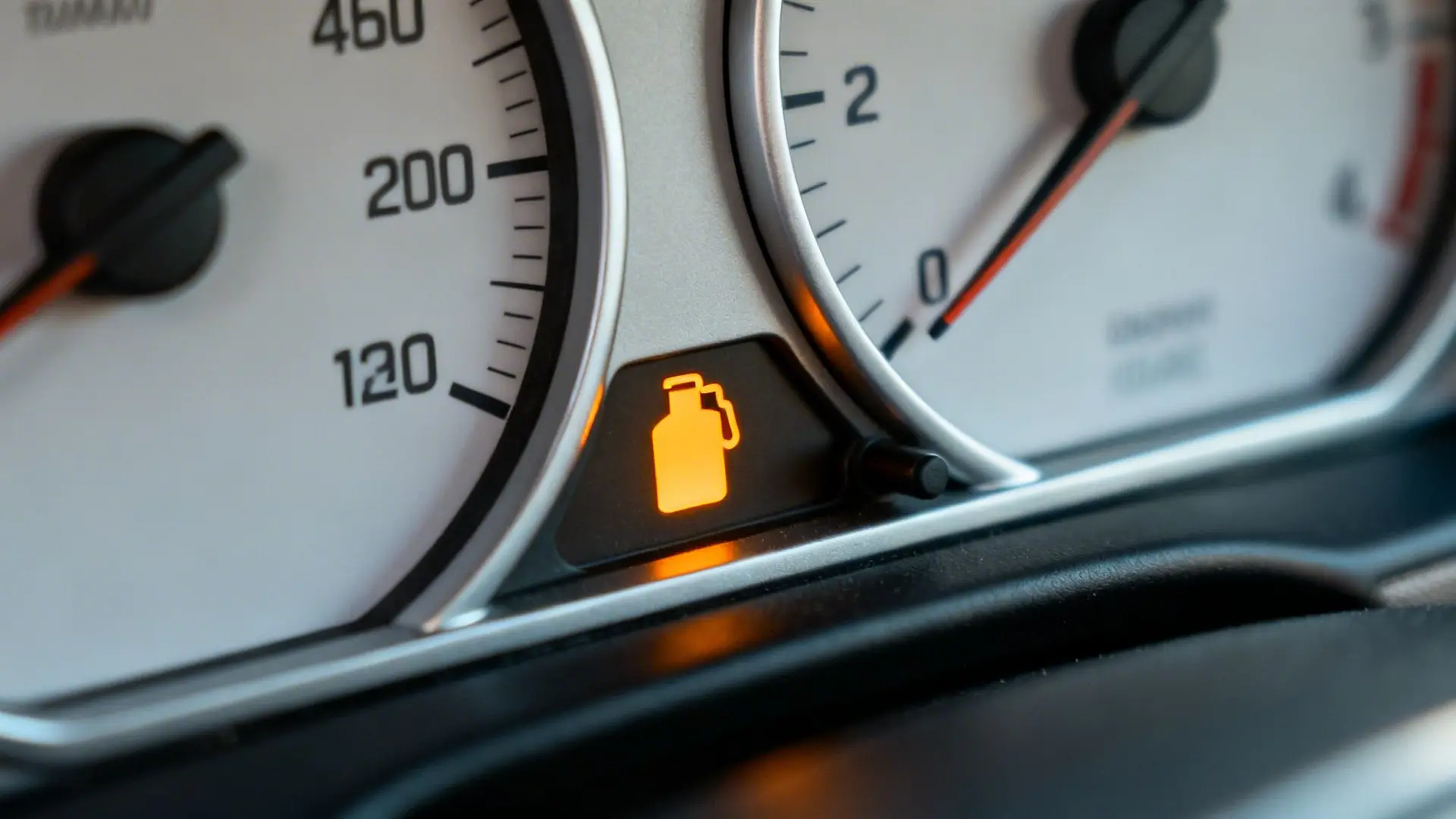
When this light appears, it’s a direct alert from your car's computer that the oil has degraded to a point where it can no longer effectively lubricate, clean, and cool the engine. Ignoring this alert can lead to friction, overheating, and premature wear on critical engine components. It's crucial to differentiate this maintenance reminder from the more urgent red oil pressure light, which signals an immediate and critical loss of oil pressure that could cause catastrophic engine failure. If you see a red oil pressure light, you should stop driving immediately. For a deeper understanding of this critical alert, you can learn more about what causes low oil pressure in an engine and its severe consequences.
Taking Action When the Light Appears
This warning is your cue for prompt action, not panic. It provides a reasonable window to schedule service before any damage occurs.
- Don't Ignore It: This is the most direct communication from your vehicle. Treat it as a priority.
- Check Your Manual: Your owner's manual will explain the specific meaning of your car's oil light, whether it’s a simple mileage-based reminder or a condition-based alert.
- Get Professional Service: Bring your vehicle to Express Lube & Car Care in Plano for a fast, no-appointment-needed oil change. Our ASE-certified technicians will not only use the correct oil for your vehicle but will also properly reset the maintenance indicator. An incorrect reset can cause the light to come back on prematurely or fail to appear when your next service is due.
2. Dark or Dirty Oil on the Dipstick
One of the most direct and hands-on ways to assess your engine’s health is by physically checking the oil. Clean engine oil is typically a translucent, amber color. Over time, as it lubricates the engine, it collects dirt, metal particles, and other byproducts of combustion. This process causes the oil to darken, eventually turning black and opaque. Visibly dark and gritty oil on the dipstick is a classic sign your car needs an oil change.
This simple visual check provides a real-time status report on the oil's condition. If the oil on the dipstick feels gritty between your fingers, it means the oil filter is saturated and can no longer effectively trap contaminants. These abrasive particles are now circulating through your engine, accelerating wear on sensitive components like bearings and cylinder walls. Performing this check is easy and empowering for any vehicle owner.
How to Check Your Oil
Checking your oil is a fundamental skill that every driver should learn. It takes less than five minutes and provides invaluable insight into your engine's condition.
- Park on Level Ground: Ensure your car is on a flat surface and that the engine has been off for at least 10 minutes to allow the oil to settle in the pan.
- Locate and Pull the Dipstick: The dipstick usually has a brightly colored (often yellow or orange) handle. Pull it out completely.
- Wipe, Re-insert, and Check: Use a clean rag or paper towel to wipe the dipstick clean. Fully re-insert it, then pull it out again.
- Inspect the Oil: Check both the oil level (it should be between the "Full" and "Add" marks) and its color. If the oil is black, opaque, or gritty, it's time to schedule a service with a professional technician.
3. Increased Engine Noise or Knocking Sounds
One of the most alarming signs your car needs an oil change is the sound of its own engine. Healthy engines run smoothly and quietly, but when the oil breaks down, it can't provide the necessary lubrication. This leads to increased friction, resulting in noticeable noises like ticking, tapping, or a deep knocking sound coming from under the hood. Old, thin oil fails to create a strong protective film between moving parts like pistons, lifters, and bearings.
These sounds indicate that metal components are making contact, which rapidly accelerates wear and tear. For example, a local Plano delivery driver might notice a light ticking sound during cold morning starts, which is a key indicator that the oil isn't coating the valvetrain properly. Ignoring these noises can escalate a simple maintenance issue into severe, and potentially catastrophic, engine damage. Fresh oil restores the essential hydraulic cushion, often quieting these sounds almost immediately.
Taking Action When You Hear Engine Noise
Engine noise is a serious symptom that requires your immediate attention. It’s your engine’s way of crying out for help before major failure occurs.
- Act Immediately: Never ignore persistent engine knocking or ticking. These sounds are a direct sign of inadequate lubrication and potential internal damage.
- Note the Details: Pay attention to when the noise happens. Does it occur on a cold start, during acceleration, or while idling? Providing these details to a technician can speed up the diagnosis.
- Seek Professional Diagnostics: While low or old oil is a common cause, these sounds can also point to more serious issues. It's wise to get a professional opinion to rule out problems like bearing failure or valvetrain damage.
- Request an Inspection: When you bring your vehicle to Express Lube & Car Care in Plano, ask for a comprehensive engine inspection along with your oil change. Our ASE-certified technicians can identify the root cause of the noise and recommend the best course of action, including advising on premium synthetic oils that maintain viscosity better under stress.
4. Elevated Engine Temperature Readings
While most drivers associate engine temperature with the cooling system, your engine oil is a crucial partner in heat management. It absorbs a significant amount of heat from moving parts like pistons and bearings, transferring it away to be dissipated. When oil breaks down, thickens, or becomes saturated with contaminants, its ability to effectively absorb and transfer this heat diminishes. This is one of the more subtle but important signs your car needs an oil change. You might notice your car's temperature gauge creeping higher than normal during your daily commute, a clear indication that the engine is struggling to stay cool.
This loss of thermal efficiency forces your cooling system, including the radiator and fans, to work much harder to compensate. Over time, this added strain can accelerate wear on these components. Ignoring elevated engine temperatures can lead to serious and expensive consequences, from blown head gaskets to a completely seized engine. For instance, a Plano commuter might notice their temperature needle climbing during stop-and-go traffic on a hot summer afternoon. Getting a prompt oil change can restore the oil's cooling properties and bring temperatures back to normal, preventing a potential roadside breakdown.
Taking Action When Temperatures Rise
An upward-creeping temperature gauge is a proactive warning that your engine's thermal system is under stress. Use this early signal to prevent overheating.
- Monitor Your Gauge: Make it a habit to check your temperature gauge, especially during long drives, while towing, or in heavy traffic. Don't wait for a red warning light to appear.
- Be Proactive with Weather: Schedule your oil change before the peak heat of a Texas summer arrives to ensure your engine has fresh, efficient oil to handle the extreme temperatures.
- Request a Comprehensive Check: When you bring your vehicle to Express Lube & Car Care in Plano for an oil change, ask our technicians to also inspect your coolant levels and cooling system components. This ensures your entire thermal management system is in top condition. Our ASE-certified team can also recommend premium synthetic oils that offer superior heat resistance and stability for demanding driving conditions.
5. Unusual Exhaust Smoke or Odors
Your car's exhaust should be nearly invisible under normal operating conditions. If you start noticing smoke or strange smells coming from the tailpipe, it's one of the more serious signs your car needs an oil change and potentially other engine services. When engine oil breaks down due to age and heat, it can leak past worn seals or piston rings into the combustion chamber. Once there, it burns along with the fuel, producing a very distinct blue or grayish smoke and a pungent, burnt oil odor. This indicates the oil is no longer protecting your engine and is actually contributing to harmful emissions and carbon buildup.

This symptom often becomes more apparent during specific driving situations, such as on a cold morning start or when accelerating hard to merge onto a Plano freeway. For example, a local commuter might notice a puff of blue smoke in their rearview mirror when getting on the Dallas North Tollway. This isn't just an oil change reminder; it's an alert that your engine is actively burning its lubricant, which can quickly lead to low oil levels and severe damage if not addressed. Ignoring this can cause fouled spark plugs, a clogged catalytic converter, and eventually, major engine failure.
Taking Action When You See or Smell Smoke
Blue smoke or a burning oil smell should never be ignored. It's a clear signal that your vehicle needs immediate professional attention to diagnose the root cause.
- Seek Professional Diagnostics: This symptom points to more than just old oil. Bring your car to Express Lube & Car Care in Plano, where our ASE-certified technicians can perform a comprehensive engine inspection to check for worn seals, piston rings, or other sources of oil consumption.
- Check Your Oil Level: If you notice this issue, check your oil dipstick immediately and top it off if necessary. Continue to monitor the level frequently until you can get the vehicle serviced.
- Request a High-Quality Oil: After a diagnosis and repair, using a premium synthetic oil can help reduce oil burning and improve engine efficiency, especially in high-mileage vehicles. Our team can recommend the best product for your car's specific condition.
6. Slow Oil Drain During Oil Change Service
While most signs of needed maintenance appear during daily driving, one of the most telling indicators reveals itself only during the service itself. A slow oil drain is a critical visual cue for technicians, serving as one of the clearest signs your car needs an oil change and has likely gone far too long between services. As engine oil ages, constant exposure to extreme heat and pressure causes it to polymerize and break down, transforming from a fluid lubricant into thick, gummy sludge. This sludge settles in the oil pan and other engine passages. When the drain plug is removed, this viscous, tar-like substance flows out sluggishly instead of draining freely.
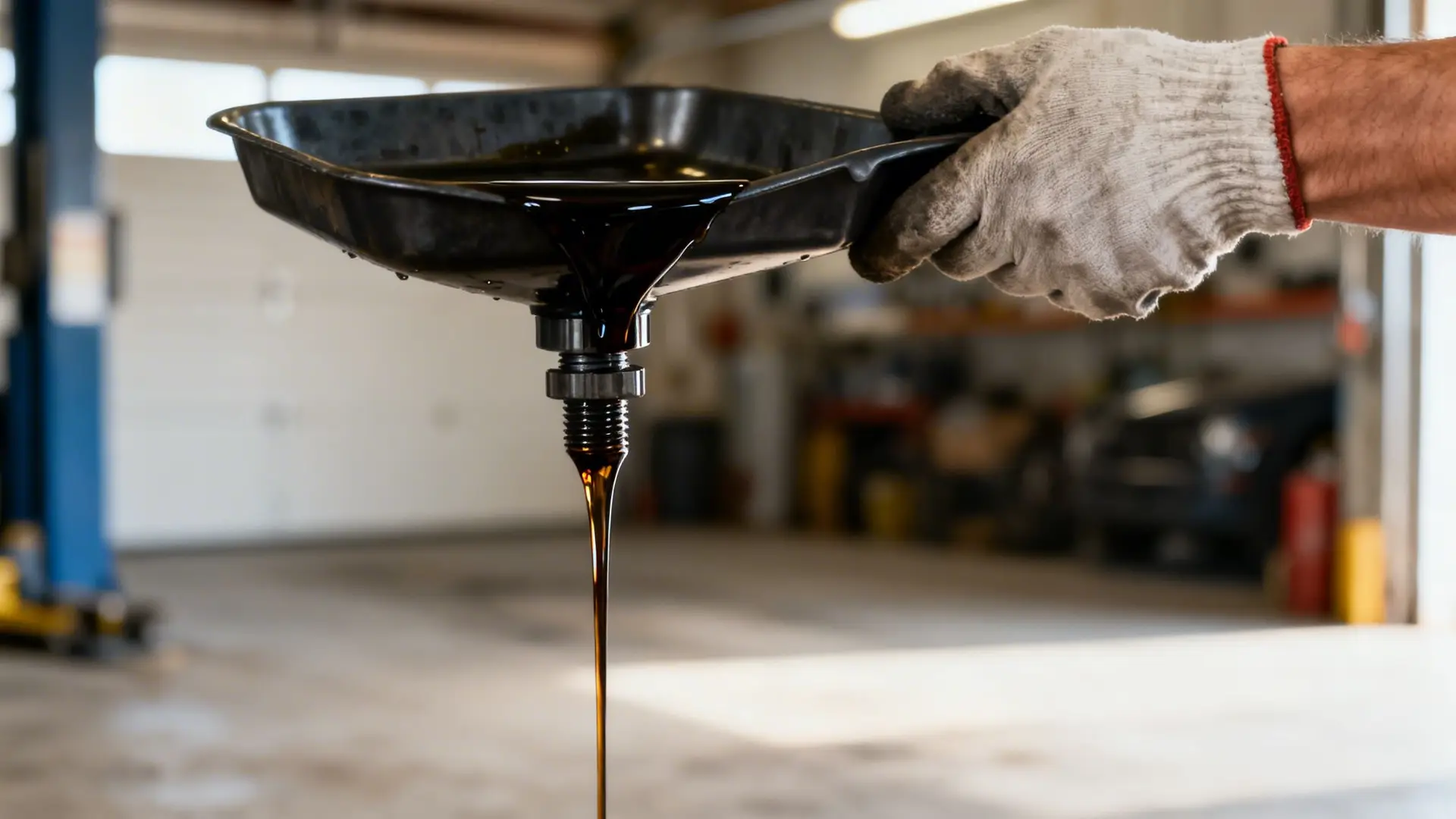
The presence of sludge is a serious red flag. This thick gunk restricts the flow of oil to vital engine components like bearings, camshafts, and pistons, leading to increased friction, overheating, and accelerated wear. We often see this in newly purchased used vehicles in Plano, where the first oil change reveals a history of neglect. A slow drain immediately prompts our technicians to assess the potential for hidden engine damage. This is why a slow drain is more than just an inconvenience; it’s a symptom of a much larger problem that compromises your engine's health and longevity.
Taking Action When Sludge is Found
If your technician reports a slow drain or visible sludge, it's essential to take immediate and decisive action to mitigate further damage. This is a clear warning that your engine is being starved of proper lubrication.
- Heed Your Technician's Advice: Our ASE-certified technicians will inspect the severity of the sludge and can recommend the best course of action.
- Consider an Engine Flush: For moderate to severe sludge, a professional engine flush service can help dissolve and remove harmful deposits that a standard drain and fill would leave behind.
- Upgrade to Synthetic Oil: Switching to a full synthetic oil can help clean existing deposits over time and provides superior resistance to sludge formation in the future.
- Commit to Regular Maintenance: The best way to prevent sludge is to follow your manufacturer's recommended oil change intervals without exception. Bring your car to Express Lube & Car Care in Plano for consistent, high-quality service that protects your investment.
7. Reduced Fuel Economy or Poor Engine Performance
A gradual drop in your car's fuel efficiency is often one of the more subtle yet telling signs your car needs an oil change. As engine oil ages, it thickens and breaks down, losing its lubricating properties. This degradation increases friction between the engine's many moving parts, such as pistons and bearings. To overcome this internal resistance, your engine is forced to work harder and burn more fuel just to maintain its normal power output. This extra effort directly translates to fewer miles per gallon (MPG).
This issue is often accompanied by a feeling of sluggishness. You might notice that your car doesn't accelerate as quickly as it used to or that the engine feels less responsive when you press the gas pedal. This is because the dirty, sludgy oil isn't just increasing friction; it's also failing to properly clean and cool the engine, which can disrupt efficient combustion. A Plano commuter might track their MPG and notice a dip from a consistent 28 MPG to 26 MPG over a month, signaling the oil's useful life is over. For many drivers, this decrease in performance is so gradual it goes unnoticed until a fresh oil change restores the vehicle's pep and efficiency.
Taking Action to Restore Performance
Recognizing this sign allows you to address the root cause with a simple service, restoring both your car’s performance and your fuel budget.
- Track Your MPG: Start monitoring your fuel economy. You can do this using your car’s built-in trip computer or by manually calculating it: divide the miles driven on a full tank by the number of gallons it takes to refill it.
- Don't Dismiss Sluggishness: If your vehicle feels lazy or unresponsive, don't write it off as just "getting old." It's often a direct symptom of engine strain caused by degraded oil.
- Get a Professional Evaluation: Bring your car to Express Lube & Car Care in Plano. Our complete oil change service addresses these issues head-on. Our technicians can also inspect other components that affect fuel economy, like your air filter, and recommend premium synthetic oils that are specifically designed to reduce friction and improve MPG, potentially saving you money at the pump.
8. Mileage or Time Since Last Oil Change Exceeded
While many drivers wait for a dashboard light or a noisy engine, the most reliable and proactive of all signs your car needs an oil change is simply reaching the manufacturer's recommended service interval. This method relies on tracking either the miles driven or the time that has passed since your last oil change. It is the gold standard for preventive maintenance, ensuring your engine receives fresh oil before the old oil breaks down and causes other warning signs to appear.
Vehicle manufacturers like Toyota, Honda, and Ford establish specific intervals based on rigorous testing of engine design, oil type, and expected driving conditions. The old "3,000-mile" rule is largely outdated. Modern engines using full synthetic oil can often go 7,500, 10,000, or even 15,000 miles between services. Adhering to these expert guidelines is the single best way to protect your engine, maintain performance, and avoid the costly repairs that can result from oil neglect.
Taking Action When the Interval Arrives
Staying ahead of your maintenance schedule is far more cost-effective than reacting to a problem. This preventive approach keeps your engine in optimal condition.
- Consult Your Manual: Your owner's manual is the definitive source for your vehicle's specific oil change schedule, including adjustments for "severe" driving conditions like frequent towing or stop-and-go Plano traffic.
- Track Your Service: Keep a logbook in your glove compartment or use a smartphone app to record the date and mileage of each oil change. At Express Lube & Car Care, we also provide a static-cling window sticker with the details of your next recommended service.
- Don't Delay: Once you hit your mileage or time limit, make the oil change a priority. For busy commuters and families in Plano, our no-appointment-needed service makes it easy to stop by whenever it's convenient. We'll get you back on the road quickly with the correct oil and a reset maintenance system. To learn more about how to determine the right schedule for your car, explore our guide on how often you should change your oil.
8-Point Comparison: Signs Your Car Needs an Oil Change
| Indicator | 🔄 Implementation complexity | ⚡ Resource requirements | 📊 Expected outcomes | 💡 Ideal use cases | ⭐ Key advantages |
|---|---|---|---|---|---|
| Dark or Dirty Oil on the Dipstick | Low — simple visual check | Minimal — dipstick, rag, level ground | Shows oxidation/contamination; suggests change | DIY checks, routine inspections | Immediate, cost‑effective, owner‑empowering |
| Oil Change Warning Light on Dashboard | Low — automated system alert | None to detect; technician reset may be needed | Usage‑based timing; prompts service | Modern vehicles, busy drivers | Precise, avoids unnecessary changes |
| Increased Engine Noise or Knocking Sounds | Medium — requires judgment | Listening; pro diagnostics recommended | Indicates lubrication failure; risk of damage | When audible knocks/ticks occur | Clear urgent warning; prevents major repair if addressed |
| Elevated Engine Temperature Readings | Medium — monitor gauges and context | Temp gauge, possible diagnostic tools | Signals poor heat dissipation; overheating risk | Hot weather, highway/high‑load driving | Early warning before catastrophic failure |
| Unusual Exhaust Smoke or Odors | Medium — needs inspection to confirm | Visual/smell detection; tech inspection | Indicates burning oil or leaks; higher emissions | Cold starts, acceleration events, emission checks | Distinctive sign prompting immediate service |
| Slow Oil Drain During Oil Change Service | High — observed during professional service | Technician, drain pan, shop equipment | Confirms sludge/thick oil; may need engine cleaning | First service on neglected/used cars | Detects severe neglect; enables corrective action |
| Reduced Fuel Economy or Poor Engine Performance | Low–Medium — measurable but multi‑causal | MPG tracking, basic diagnostics | Shows increased friction; lower efficiency | Fleet management, MPG monitoring drivers | Cost‑saving indicator; improves after service |
| Mileage or Time Since Last Oil Change Exceeded | Low — objective tracking | Odometer/calendar/reminders | Preventive maintenance; avoids other faults | All vehicle owners, scheduled service programs | Most reliable preventive method; warranty friendly |
Your Next Step for a Healthier Engine
Recognizing the signs your car needs an oil change is the first, most important step toward protecting one of your biggest investments. Moving from recognition to action is what separates a well-maintained vehicle from one at risk of premature failure. We've explored the most common indicators, from the straightforward illumination of a dashboard light to more subtle clues like a drop in fuel economy or a change in your engine's familiar hum.
Each of these signs tells a story about the health of your engine. Dark, gritty oil on the dipstick reveals that the lubricant has become saturated with contaminants and is no longer providing adequate protection. Unusual knocking or ticking sounds are your engine's cry for help, signaling that vital metal components are not getting the cushioning they need to operate without damaging friction. Even seeing more exhaust smoke than usual or smelling oil inside the cabin points directly to an engine oil system that requires immediate attention.
From Awareness to Action: What You Can Do Now
Your vehicle’s long-term reliability doesn't depend on a single, heroic repair. Instead, it’s built upon a foundation of consistent, proactive maintenance. Ignoring the signs your car needs an oil change is like ignoring a small leak in your roof; it's a minor inconvenience that can quickly spiral into a catastrophic and expensive problem.
Here’s a simple, actionable plan to put this knowledge to use:
- Establish a Routine: If you haven't already, check your owner's manual for the manufacturer's recommended oil change interval. Mark it on your calendar or set a digital reminder based on both mileage and time.
- Perform Monthly Checks: Once a month, take five minutes to pop the hood and check your oil level and condition using the dipstick. This simple habit is the single best way to catch a problem before it escalates.
- Listen and Observe: Pay attention to how your car sounds, smells, and performs during your daily commute in Plano. You are the person most familiar with your vehicle, making you the first line of defense against potential issues.
By transforming these checks from a chore into a routine, you empower yourself as a vehicle owner. You gain the confidence to identify problems early, the knowledge to understand what they mean, and the foresight to act before a simple maintenance task becomes a major repair bill. Keeping your engine's oil clean isn't just about car care; it's about ensuring your vehicle remains a reliable partner for your family, your business, and your daily life.
Don't let an overdue oil change put your engine at risk. The expert ASE-certified technicians at Express Lube & Car Care in Plano are ready to provide a fast, professional oil change service with no appointment needed. Visit Express Lube & Car Care to see our current specials and stop by today for peace of mind on the road.