
Local certified technicians matter because they reliably diagnose modern vehicle systems, reduce repeat repairs, and protect your warranty and insurance coverage. When a technician holds credentials from ASE (National Institute for Automotive Service Excellence), I-CAR, or an OEM-specific training program, you get documented skill, not just a confident handshake.
- Certified technicians follow a test-verify-document workflow that cuts unnecessary parts replacement.
- ASE Blue Seal shops and I-CAR-recognized facilities are independently verifiable before you book.
- A 24-month/24,000-mile warranty from a certified shop gives you a paper trail that matters if a claim arises.
Your immediate next step: Search the ASE facility locator or call your local shop and ask, “Which of your technicians are currently ASE-certified, and when did they last recertify?”
Key Takeaways
Local certified technicians are the single most reliable way to get accurate diagnostics, fewer repeat repairs, and warranty-protected service on modern vehicles.
| Point | Details |
|---|---|
| ASE recertification cycle | ASE credentials must be renewed every five years; always confirm a technician’s current status. |
| Comeback repair reduction | ASE materials report a 60% reduction in comeback repairs at shops that prioritize certification. |
| When to require credentials | Always insist on certified technicians for ADAS calibration, collision repair, EV/hybrid work, and complex diagnostics. |
| Verification steps | Check the ASE facility locator, ask for certificate dates, and request digital inspection reports at pickup. |
| Express Lube & Car Care | ASE and RepairPal certified, same-day no-appointment service, backed by a 24-month/24,000-mile warranty in Plano. |
Table of Contents
- What “certified technician” actually means
- Top benefits you get from a locally certified technician
- Repair scenarios where certified training changes the outcome
- How to verify credentials and find reliable local shops
- Questions to ask before you hand over your keys
- How certification benefits shops, insurers, and repair quality
- What the research shows about certification outcomes
- The Express Lube & Car Care perspective on certified local service
- Express Lube & Car Care: ASE-certified service in Plano
- Sources
- FAQ
What “certified technician” actually means
Not every mechanic who calls themselves certified has earned the same credential. ASE is a nonprofit that administers voluntary tests across multiple series, from engine repair and brakes to electrical systems and collision refinishing. To earn a credential, a technician must pass the relevant exam AND submit documented work experience. Certifications expire every five years, so renewal is not optional if a technician wants to keep displaying the credential.
A technician who passes all tests in a series earns Master Technician status, a higher bar that signals broad, tested competency. The ASE Blue Seal is awarded to shops where a significant share of the staff holds current credentials, making it a shop-level trust signal rather than an individual one.
I-CAR (Inter-Industry Conference on Auto Collision Repair) runs a parallel system focused on collision and structural repair. Its Gold Class and Platinum Individual designations are recognized by insurers and OEMs as evidence that a shop can handle frame straightening, welding, and refinishing to manufacturer standards. OEM-specific programs, offered directly by manufacturers like Ford, GM, or Toyota, layer on top of these credentials with model-specific training for dealer and independent shops alike.
Top benefits you get from a locally certified technician
The practical upside of choosing a certified technician goes well beyond a framed certificate on the wall.
- More accurate diagnostics. Certified technicians are trained to test and verify before replacing parts, which means fewer shotgun repairs where three components get swapped to fix a problem one would have solved.
- Fewer repeat visits. Disciplined diagnostic workflows reduce misdiagnosis on modern vehicles with networked electronic systems, so the repair sticks the first time.
- Warranty and insurance protection. Documented repairs from a certified shop create a defensible record that insurers and OEM warranty administrators can verify.
- Faster local turnaround. A nearby certified shop often means same-day service and quicker access to a technician who knows your vehicle’s history.
- Lower total cost. Accurate first-time diagnosis avoids the labor and parts expense of a comeback repair, which saves real money over the life of the vehicle.
Pro Tip: Ask the shop whether post-repair verification is standard practice. A credible certified shop will road-test the vehicle and run live-data checks before returning your keys, not just clear the fault code and call it done.
Repair scenarios where certified training changes the outcome
Certification matters more on some jobs than others. These are the situations where you should insist on verified credentials before leaving your vehicle.
Collision and structural repair is the highest-stakes category. Improper frame straightening or welding can compromise crumple zones and airbag deployment geometry. I-CAR Gold Class recognition is the standard insurers use to evaluate whether a shop can handle this work correctly.
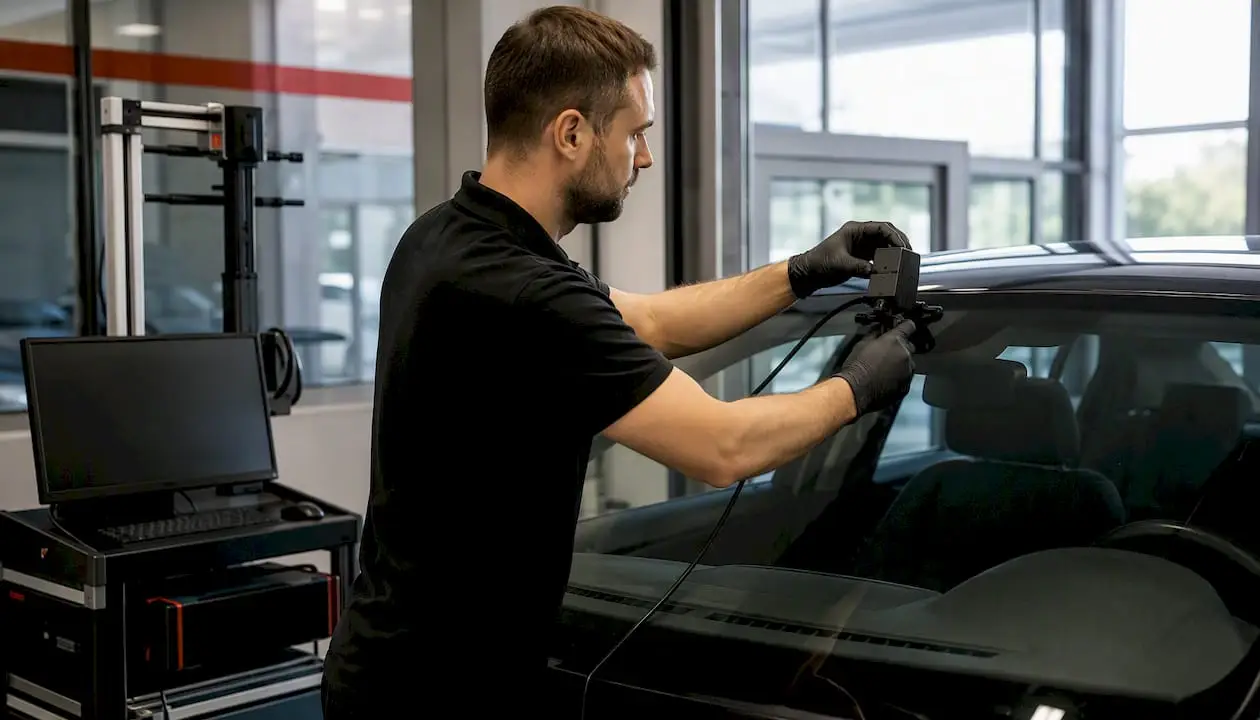
ADAS calibration is where a small error creates a large safety problem. Forward-collision sensors, lane-keep cameras, and blind-spot radar all require precise recalibration after windshield replacement, suspension work, or collision repair. An uncertified technician using generic procedures can leave a system that appears functional but triggers incorrectly at highway speed.
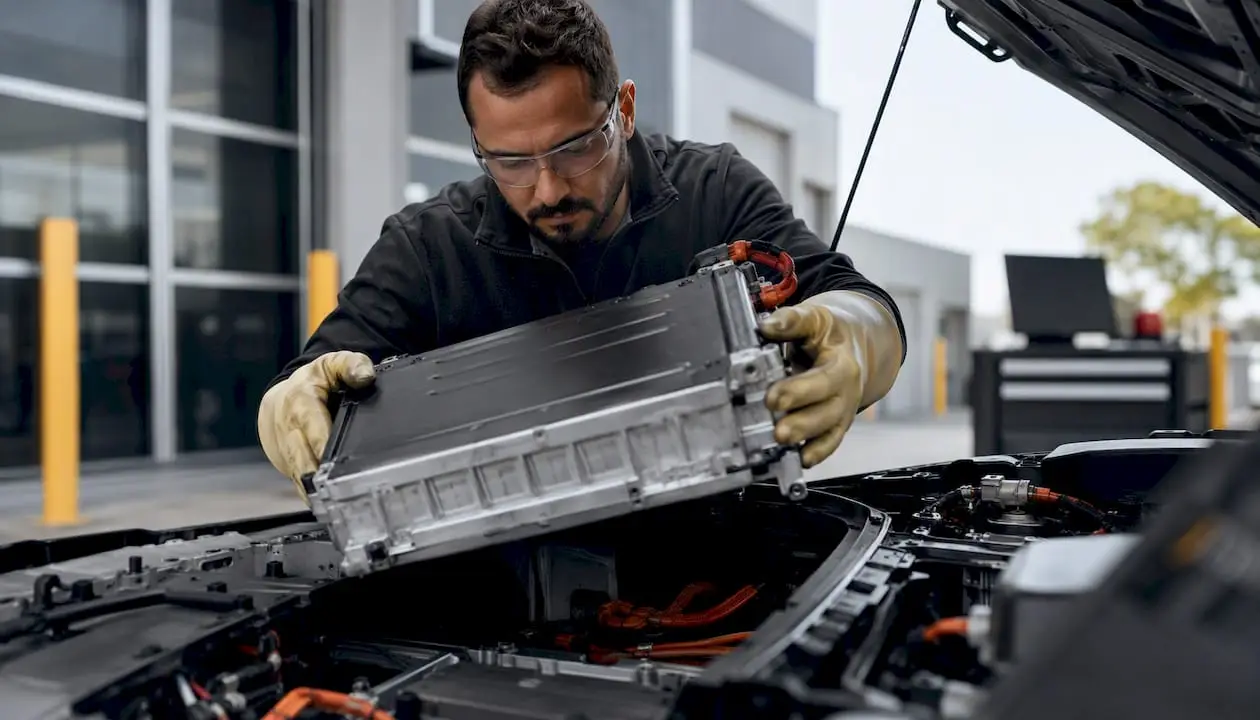
EV and hybrid battery systems involve high-voltage components that require OEM-specific training. Mishandling a hybrid battery pack is both a safety hazard and a warranty-voiding event.
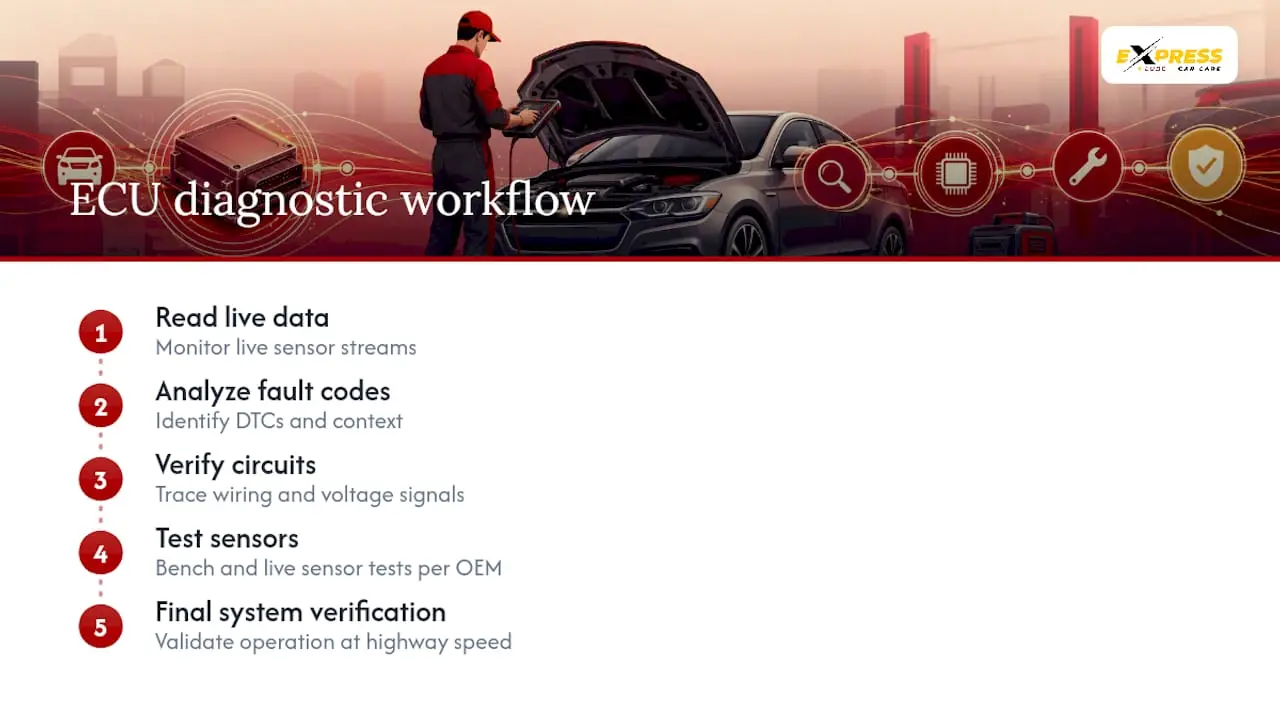
Complex electrical and ECU diagnostics on modern vehicles demand a technician who reads live data streams, not just fault codes. Replacing a sensor because a code points to it, without verifying the underlying circuit, is a common and expensive mistake that certified diagnostic training is specifically designed to prevent.
Safety-critical brake and steering repairs round out the list. Torque specifications, bleeding sequences, and electronic parking brake reset procedures vary by platform. Getting them wrong affects stopping distance.
How to verify credentials and find reliable local shops
Start with the ASE facility locator to find Blue Seal shops near you. I-CAR maintains its own shop locator for collision-specific searches, and most OEM dealer networks publish certified-shop directories on their brand websites. For a trusted local mechanic in Plano, these directories give you a verified starting point before you read a single review.
Once you have a candidate shop, confirm recency. A certificate issued four years ago is still valid, but ask when the technician last completed continuing education or a recertification exam. Shops that take certification seriously will have that information ready.
Look for these physical and digital signals when you visit or browse the shop’s website: displayed ASE Blue Seal signage, technician bios listing credential types and expiration years, digital vehicle inspection reports with photos and technician signatures, and calibration records for any ADAS or alignment work. A shop that provides all of these is operating at a documentation standard that protects you if a dispute arises later.
Questions to ask before you hand over your keys
A two-minute phone call can tell you most of what you need to know. Work through this list:
- “Which technicians on staff are currently ASE-certified, and in which test series?” A credible shop answers specifically, not generically.
- “When did your technicians last recertify or complete continuing education?” Recertification every five years is the ASE standard; a shop that cannot answer this question has not been tracking it.
- “Will you provide written diagnostics before any repair work begins?” The answer should be yes, with a line-item estimate attached.
- “Do you perform a post-repair road test and live-data verification?” This is standard practice at certified shops and separates a thorough repair from a cleared code.
- “What documentation will I receive at pickup?” Expect calibration records, parts invoices with part numbers, warranty paperwork, and test-drive notes.
If a shop hesitates on questions 1 or 3, that hesitation is your answer. For more screening tips, a short checklist approach works well before committing to any shop.
How certification benefits shops, insurers, and repair quality
The owner benefits described above flow directly from shop-level outcomes that certification drives. Industry reporting shows that shops emphasizing certification see higher technician productivity, lower comeback rates, and reduced employee turnover. Fewer comebacks mean less unbillable rework, which keeps labor costs predictable and frees bay time for new customers.
Insurers increasingly prefer certified shops for direct-repair programs because documented, verifiable repairs reduce claim disputes. OEM warranty administrators apply similar logic: a repair performed by a certified technician following manufacturer-approved procedures is far easier to defend than one performed without documented credentials.
Certification also shapes hiring and retention. Technicians who hold current credentials tend to stay longer and advance more consistently, which means the person who serviced your vehicle last year is likely still there this year. That continuity matters for dependable auto service because a technician familiar with your vehicle’s history catches developing problems faster.
What the research shows about certification outcomes
ASE’s public materials report measurable shop-level improvements associated with certification programs, including significant gains in productivity, fewer comeback repairs, lower technician turnover, and higher technician earnings. These figures come from ASE’s own reporting and represent outcomes shops may experience after prioritizing certified staffing.
A 60% reduction in comeback repairs means fewer return visits for the same problem, less time without your vehicle, and a lower total repair bill over time.
For a vehicle owner, the turnover figure is just as meaningful as the comeback rate. A shop with stable, certified staff builds institutional knowledge about the vehicles it services regularly, which shortens diagnostic time and reduces the chance of a missed issue.
The Express Lube & Car Care perspective on certified local service
Certification changes how a shop runs day to day, not just how it markets itself. When every technician follows a documented diagnostic process, test, verify, record, the workflow becomes consistent regardless of which bay a vehicle enters. Digital vehicle inspections with photos and technician notes replace verbal summaries, so customers see exactly what was found and why a repair was recommended. That transparency is not incidental; it is what a certified process produces.
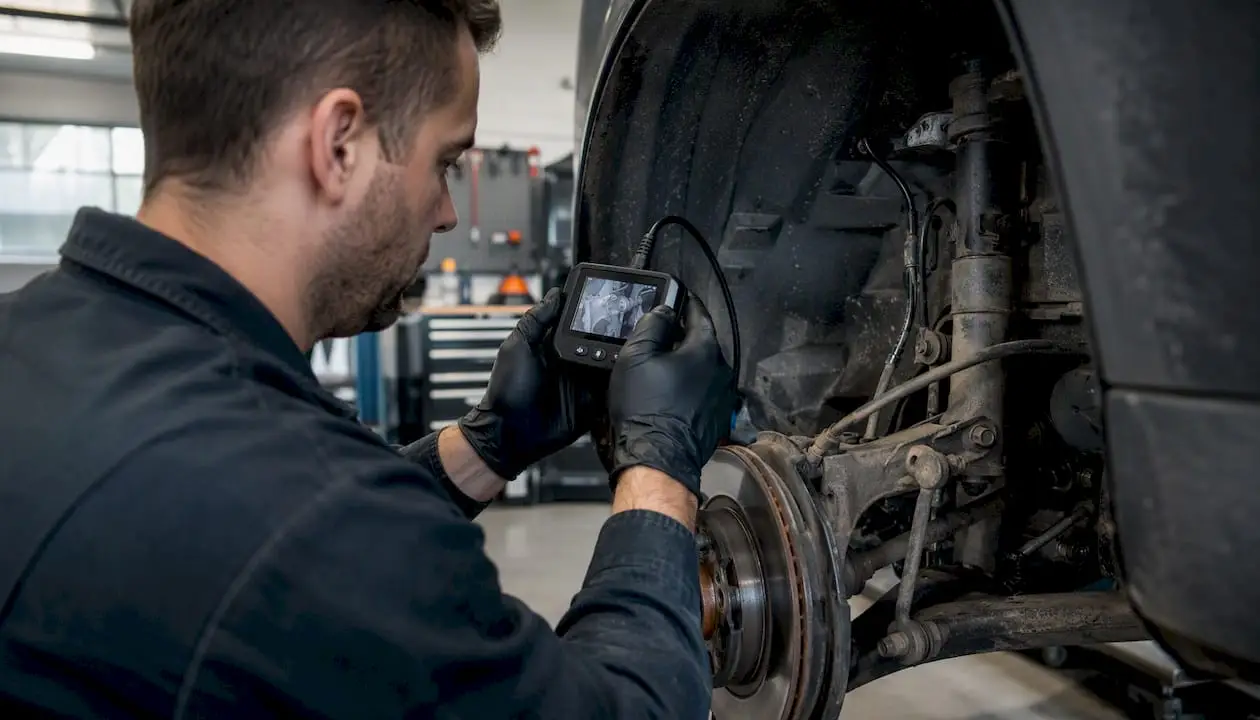
Same-day, no-appointment service works precisely because certified technicians diagnose accurately the first time. There is no need to hold a vehicle overnight while a technician tries a second approach. The 24-month/24,000-mile warranty Express Lube & Car Care backs its repairs with reflects that confidence in the process.
Express Lube & Car Care: ASE-certified service in Plano
Skipping the credential check costs more than the time it saves. Express Lube & Car Care’s technicians are ASE and RepairPal certified, and every service comes with a digital inspection report, documented diagnostics, and a 24-month/24,000-mile warranty. No appointment is needed, so you can walk in when your schedule allows and leave with a verified repair, not a guess.
Military personnel, first responders, and healthcare professionals receive special discounts. For oil changes, brake service, engine diagnostics, and more, check current service specials and book or walk in at 2840 in Plano. The credentials are posted, the documentation is standard, and the warranty is in writing.
Sources
- Technicians get certified
- About ASE – The National Institute for Automotive Excellence
- Why Do ASE-Certified Technicians Matter When Modern Vehicles Need Accurate Diagnostics?
FAQ
What are the benefits of being ASE certified?
ASE certification signals that a technician has passed standardized tests and met documented work experience requirements.
Why should you look for a facility with ASE-certified technicians?
ASE-certified technicians follow a disciplined test-verify-document process that reduces misdiagnosis and unnecessary parts replacement on modern, networked vehicles. The ASE Blue Seal identifies shops where a significant share of staff holds current credentials, giving you a verifiable trust signal before you book.
What is a local certified technician?
A local certified technician is a credentialed automotive professional, typically holding ASE, I-CAR, or OEM-specific credentials, who works at a nearby shop rather than a distant chain or dealership. Local availability means faster turnaround, direct communication, and a technician who can build familiarity with your specific vehicle over time.
Why do certified technicians matter for complex repairs like ADAS or EV work?
ADAS calibration and EV/hybrid battery service require precise, manufacturer-approved procedures where a small error creates a safety or warranty problem. Certified technicians trained in these systems follow documented protocols and produce calibration records that protect both the repair and your coverage.