

On average, a professional oil change service at a dedicated shop takes between 15 and 30 minutes. If you perform the task yourself at home, you should allocate at least 60 minutes, assuming you have the necessary tools and encounter no complications.
Understanding the True Time Commitment for an Oil Change
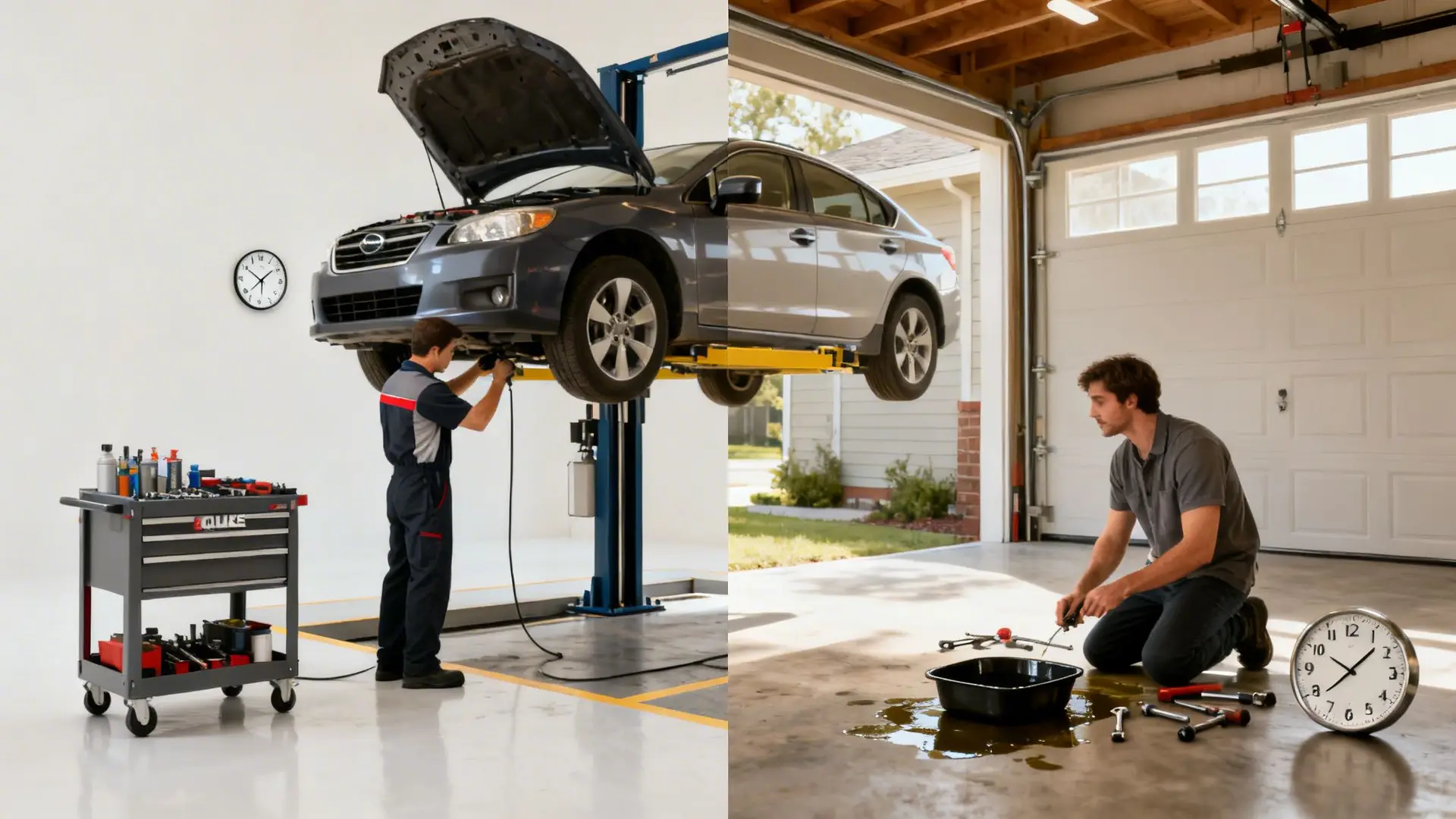
When an oil maintenance light illuminates, a primary concern is how much time the service will require. The duration of an oil change is largely determined by who performs the work and where it is done.
A professional quick lube facility operates with high efficiency. These shops are equipped with specialized vehicle lifts, organized toolsets, and established procedures refined over thousands of services. This system is designed to provide safe, accurate, and prompt service with minimal disruption to your schedule.
The Professional Process vs. the DIY Method
Performing an oil change in a personal garage presents a different set of challenges and time commitments. The process involves gathering tools, safely raising the vehicle with a jack and stands, and managing the proper disposal of used motor oil. Common issues like an over-tightened drain plug or an inaccessible oil filter can significantly extend the time required, turning a seemingly simple task into a prolonged project.
An oil change is a fundamental aspect of preventative maintenance and a critical investment in a vehicle's long-term health. Professional service ensures the job is performed correctly and efficiently.
At a professional shop, a standard oil change can be completed in approximately 20-30 minutes. This timeframe is beneficial for individuals with tight schedules. In contrast, a DIY oil change typically requires 45-60 minutes or more when accounting for preparation, draining, filter replacement, refilling, and cleanup. This estimate does not include extra time needed to address unforeseen mechanical difficulties.
To illustrate the differences, this table outlines the expected time for each service method.
Oil Change Time Estimates At a Glance
This table compares the typical time commitment for different oil change methods, helping you understand your options.
| Service Type | Estimated Time | Key Considerations |
|---|---|---|
| Quick Lube Shop | 15–30 Minutes | Designed for efficiency and convenience; ideal for routine maintenance. |
| Dealership | 45–90 Minutes | Often includes comprehensive, vehicle-specific inspections as part of the service. |
| DIY at Home | 60+ Minutes | Requires a full set of tools, space, and a plan for hazardous waste disposal. |
Ultimately, opting for a professional service is a trade-off: a service fee in exchange for time saved and the assurance of a correctly executed procedure.
What Happens During a 15-Minute Service?
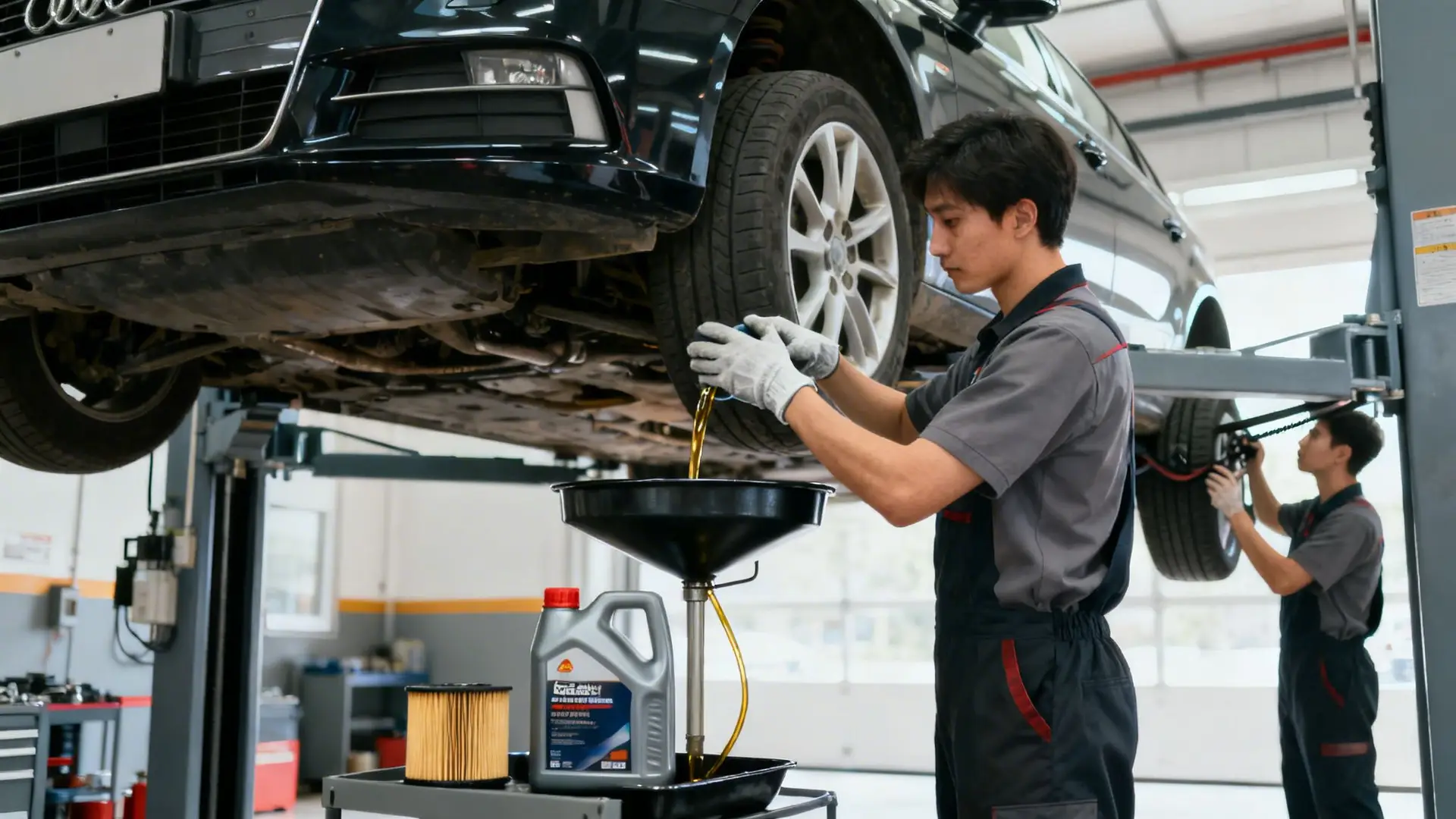
The ability of certified technicians to complete a service in 15 to 30 minutes is not due to haste but rather a structured and systematic process. Each step is performed in a specific sequence to maximize efficiency and precision.
Once a vehicle is positioned in the service bay, it is raised on a hydraulic lift. This provides unobstructed access to the undercarriage, allowing a technician to place a drain pan and remove the drain plug to release the old engine oil.
While the oil drains completely via gravity, the technician removes the old oil filter and replaces it with a new, high-quality filter specified for the vehicle's make and model. This step is critical, as a new filter is essential for maintaining the cleanliness and effectiveness of the new oil over its service life.
More Than Just an Oil Swap
After the old oil has been fully drained, the technician reinstalls and torques the drain plug to the manufacturer's specification and lowers the vehicle. The engine is then refilled with the precise type and volume of new motor oil recommended by the vehicle manufacturer.
A key component of a professional oil change is the accompanying multi-point inspection, which can help identify potential issues before they escalate into significant problems.
This inspection provides valuable insight into the vehicle's overall condition. Technicians typically check several key areas as a standard part of the service:
- Fluid Level Checks: Other essential fluids, such as engine coolant, brake fluid, and windshield washer fluid, are inspected and topped off as needed.
- Belt and Hose Inspection: A visual examination is conducted to identify any cracks, fraying, or signs of wear on critical engine belts and hoses.
- Tire Pressure Check: All tires are checked and inflated to the vehicle’s recommended pressure, a simple measure that enhances safety and fuel efficiency.
Each step, from draining the oil to the final inspection, is part of a standardized workflow designed for speed and accuracy. You can learn more about what this includes by reviewing our guide to a full-service oil change. The result is a comprehensive service that promotes vehicle health in a minimal amount of time.
Factors That Can Extend Your Oil Change Time
While the goal is a swift 15-to-30-minute service, certain factors can cause delays. These situations require additional time to ensure the job is completed correctly and safely, much like a routine medical check-up may be extended if an unexpected issue is found.
Understanding these potential delays provides context for why a technician may need more time. These are not indicators of poor service but are common real-world variables that require a careful, professional approach.
Common Mechanical Delays
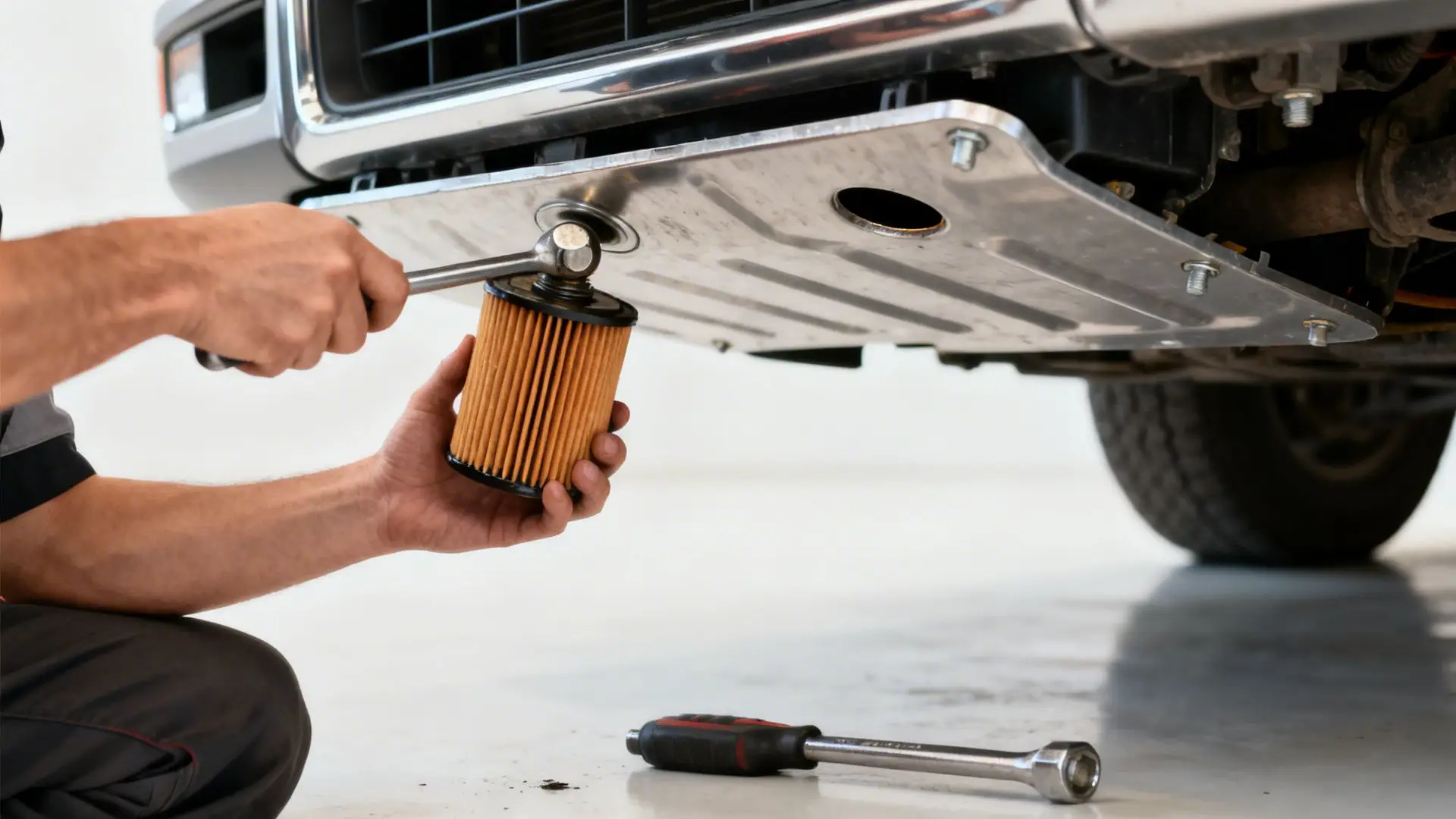
Frequently, delays stem from components that are difficult to remove. A common example is an oil filter that was over-tightened during a previous service. It can become seized, and attempting to force it off could damage the filter housing.
Another common complication is a stripped or damaged drain plug. This small component can create a significant problem. A skilled technician will work carefully to remove it without damaging the threads of the oil pan, a repair that is far more complex and costly than the oil change itself.
When a technician takes extra time, it is often a preventative measure to avoid turning a minor inconvenience into an expensive repair. Rushing a seized part can lead to stripped threads or cracked components.
Vehicle Design and Inspection Findings
The specific design of a vehicle can also impact the service time. Some trucks and SUVs are equipped with skid plates that must be removed to access the drain plug and filter, adding several minutes to the process. Similarly, certain European vehicles have oil filters located in tight, hard-to-reach areas that demand additional time and specialized tools.
A delay might also arise from the multi-point inspection. If a technician discovers a critically low fluid level or a severely worn belt, they will inform you immediately. Addressing these safety-critical issues on the spot is important and will naturally extend the service time but ensures the vehicle is safer to operate.
This highlights the evolution of automotive maintenance. Decades ago, more frequent oil changes were standard, partly to flush metal particles from newly manufactured engines. While modern engineering and manufacturing have greatly improved, the principle of early problem detection during routine service remains as important as ever. To learn more about the history of engine maintenance, you can watch this in-depth video on YouTube.
The Modern Truth About Oil Change Intervals
The traditional recommendation to "change your oil every 3,000 miles" is an outdated guideline from a previous era of automotive technology. Significant advancements in engine design and motor oil formulation have made this rule obsolete for most modern vehicles.
Conventional oil is a basic lubricant, whereas modern synthetic oils are complex fluids engineered with advanced additives, detergents, and dispersants. These properties allow synthetic oil to clean engine components and protect against wear far more effectively and for longer periods.
Why Modern Cars Go Further
The 3,000-mile interval originated in the 1970s, when vehicles had carbureted engines and used less advanced lubricants. Adhering to this outdated advice with a modern car can be unnecessarily expensive. For the average driver, this could result in spending an extra $325 per year on unneeded oil changes.
Today's engines are manufactured with higher precision, tighter tolerances, and more efficient operating systems. When these advanced engines are paired with high-quality synthetic or synthetic-blend oils, the service interval is extended dramatically.
Today, most vehicle manufacturers recommend oil change intervals of 7,500, 10,000, or even 15,000 miles under normal driving conditions. The owner's manual is the definitive source for your vehicle's specific maintenance schedule.
For instance, many contemporary models from Toyota, Ford, and Honda specify service intervals of 10,000 miles or more. This is not merely a suggestion but a reflection of the durability and efficiency of modern automotive engineering. By following the manufacturer's recommended schedule, you can save money, reduce waste, and minimize service appointments without compromising your engine's health.
To understand the correct interval for your specific vehicle and driving habits, you can learn more about how often to change your oil in our detailed guide. Following a modern maintenance plan ensures you receive the maximum value from each service.
Tips for a Faster and Smoother Service Visit
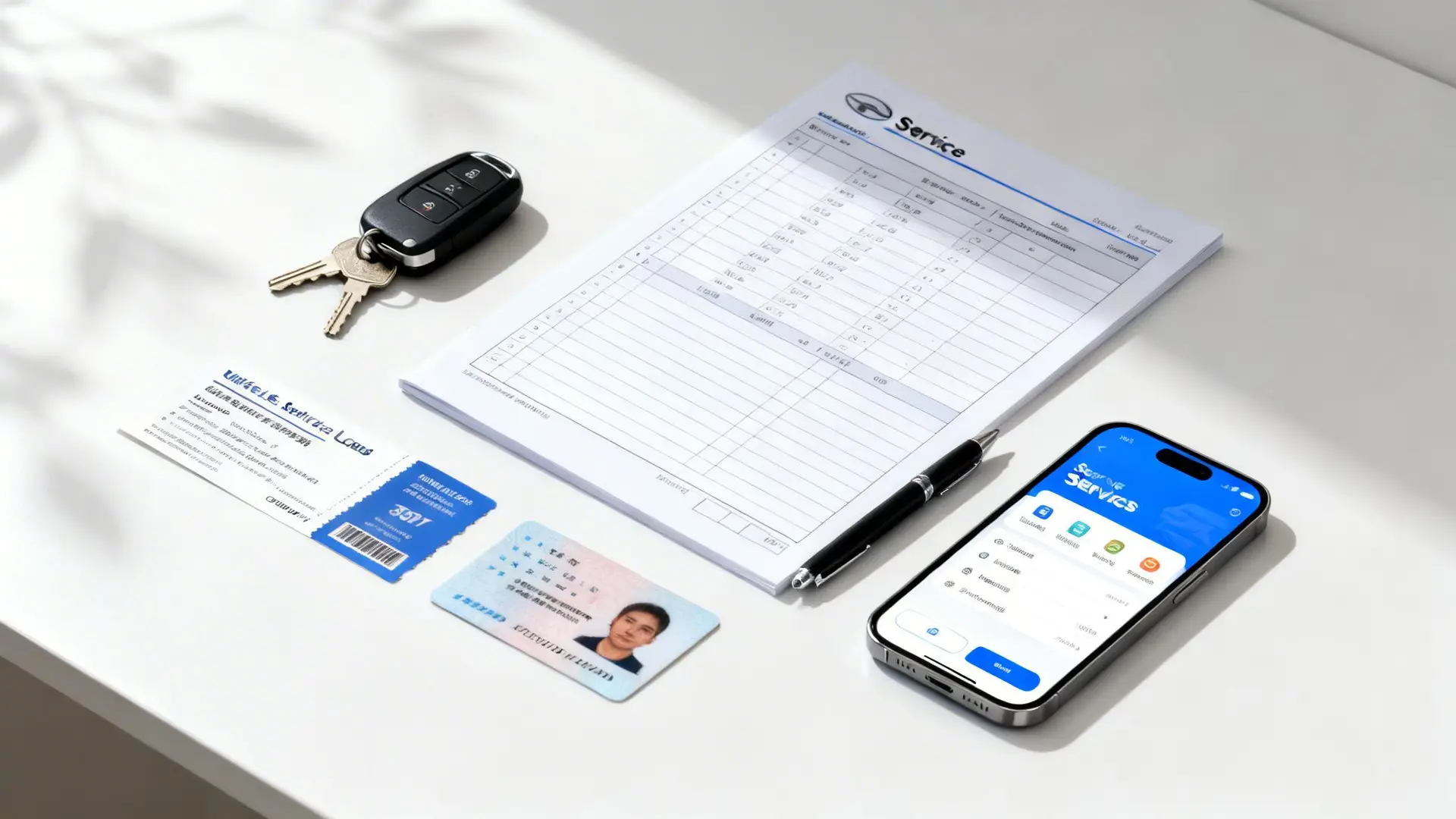
To ensure your service visit is as efficient as possible, a small amount of preparation can help our technicians begin work promptly and streamline the entire process.
The most valuable information you can provide is a summary of your vehicle's recent performance. If you have noticed any new noises, vibrations, or other unusual behavior, communicating this to the service advisor allows our team to be aware of potential issues beyond the standard oil change.
Prepare for a Quick Check-In
To facilitate a smooth check-in process, please have any relevant documents or digital offers ready.
- Coupons: Have any current service coupons displayed on your phone or in printed form.
- Special Offers: On Tuesdays, we offer a Ladies Day special. We also provide discounts for military personnel and first responders; please have your ID available to redeem these offers.
Another helpful tip is to clear personal items from your glove compartment. Technicians often need to access this area to inspect or replace the cabin air filter. An accessible glove box can save several minutes of service time.
Ultimately, being prepared and communicative as a customer helps us provide faster service. This collaborative approach is a hallmark of how professional shops in the automotive service industry operate and helps us answer "how long does it take to change oil?" with confidence and accuracy.
Your Guide to No-Appointment Service in Plano
We understand that your schedule is busy and that car maintenance should be convenient. Our service model is designed to accommodate your schedule, not the other way around.
Our facility operates on a no-appointments-needed basis. Simply visit Express Lube Plano at your convenience. Our service advisors will greet you, review your vehicle's needs, and initiate the service process immediately.
A Fast and Comfortable Visit
After checking in, you can wait in our customer lounge while our ASE-certified technicians service your vehicle. The entire process is designed to be transparent and efficient, returning you to your day as quickly as possible.
We value your time. Our no-appointment policy is our commitment to delivering professional automotive care that fits your schedule, not ours.
Save Money on Every Oil Change
In addition to providing fast service, we offer several ways to make your visit more affordable while maintaining your vehicle's health.
- Ongoing Coupons: Please check our website for the latest oil change coupons before your visit.
- Military & First Responders: We are honored to offer special discounts to service members and first responders as a thank you for their service.
- Ladies Day: Every Wednesday is Ladies Day, featuring exclusive savings on oil changes and other maintenance services.
The combination of savings and prompt, walk-in service is why many local drivers rely on us. For more tips on optimizing your visit, see our guide on finding a quick oil change near you.
Frequently Asked Questions About Oil Changes
Here are answers to some of the most common questions we receive from customers about the oil change process.
Can I Stay in My Car During the Oil Change?
For safety and liability reasons, customers are required to wait in our designated lounge area. This policy ensures our technicians can work safely and without obstruction while your vehicle is on the lift. The service is typically completed quickly, and you will be back in your vehicle shortly.
Does Synthetic Oil Really Let Me Go Longer Between Changes?
Yes, full synthetic oil allows for significantly longer service intervals. It is engineered with superior thermal and chemical stability, enabling it to resist breakdown far longer than conventional oil. This results in recommended intervals of 7,500 to 15,000 miles for many vehicles, depending on manufacturer specifications and driving conditions. We always adhere to the manufacturer's guidelines for your specific vehicle.
What if My Car's Oil Life Monitor Says It's Time for a Change?
You should always follow the recommendation of your vehicle's oil life monitoring system. These systems use algorithms that track mileage, time, and driving conditions to provide an accurate and timely alert when service is due. After completing the service, our technicians will reset the monitor, so it is calibrated for the next interval.
When you are ready for a fast, professional oil change, visit Express Lube & Car Care. No appointment is necessary. Our certified technicians will service your vehicle efficiently, providing you with confidence and peace of mind.
Learn more on our website at https://www.expresslubeplano.com.