
Determining when to change your car's coolant is a crucial part of vehicle maintenance. While a general guideline is every 30,000 to 50,000 miles or approximately every 3 to 5 years, this is only a starting point. The correct interval depends on your vehicle's manufacturer, the specific type of coolant it uses, and your driving conditions, such as the high ambient temperatures common in Texas.
Understanding Coolant Change Intervals
Think of your engine's coolant as its dedicated thermal regulator. The intense heat generated by your engine, especially during demanding situations like stop-and-go traffic, gradually degrades the coolant's protective properties. Prolonging its service life beyond the recommended interval risks engine overheating and can lead to significant mechanical damage.
The primary reason for regular changes is the depletion of anti-corrosion additives within the coolant. As these additives break down, your radiator, water pump, and internal engine passages become vulnerable to rust and sediment accumulation, which can impede coolant flow and cause engine failure.
Why Service Intervals Vary
There isn't a single, universal answer for every vehicle because coolant technology and automotive engineering have evolved. A modern vehicle equipped with a long-life coolant might be able to go 10 years or 150,000 miles before its first service. In contrast, an older vehicle using a traditional coolant formulation may require changes every two years.
Here are the key factors that influence the schedule:
- Vehicle Age and Manufacturer: Older vehicles were designed for coolants with shorter lifespans. Your owner's manual provides the definitive recommendation for your specific make and model.
- Coolant Type: Traditional Inorganic Additive Technology (IAT) coolants, often bright green, have a shorter service life than modern Organic Acid Technology (OAT) formulas, which come in various colors like orange or pink. Using an incorrect type can lead to system damage.
- Driving Conditions: "Severe" driving conditions—such as frequent short trips, towing heavy loads, or operating in extreme heat—accelerate the breakdown of coolant additives. These conditions can shorten the effective life of your coolant by as much as 50%.
Your vehicle's cooling system is its primary defense against overheating. Adhering to the proper coolant service interval is not merely a suggestion—it is a critical preventative measure to avoid a breakdown and potentially costly engine repairs.
Understanding how this service fits into your car's overall health is important. You can see how a coolant change relates to other maintenance tasks by reviewing a complete car maintenance schedule by mileage, which helps illustrate how these services work together to ensure vehicle longevity.
The Scientific Role of Engine Coolant
The brightly colored liquid in your car’s reservoir is essential for engine longevity. An internal combustion engine generates an enormous amount of waste heat, and coolant is the medium that transfers this destructive energy away from critical metal components.
Without effective cooling, an engine would quickly reach temperatures that cause metal to warp, seize, or melt. This makes coolant a vital fluid for preventing catastrophic failure, particularly in high-temperature environments.
But what is coolant, exactly? It is a precisely engineered mixture of three primary components, each serving a distinct purpose.
The Three Key Components of Coolant
Ethylene Glycol: This is the base chemical that provides temperature stability. It prevents the fluid from freezing in cold climates and, more importantly, raises its boiling point well above that of water (212°F), preventing it from turning to steam under the high pressure and temperature of a running engine.
Water: Specifically, distilled or deionized water is used for its superior ability to absorb and transfer thermal energy. The water in your coolant mixture is the primary agent that pulls heat from the engine block and carries it to the radiator to be dissipated.
Additive Package: This is the most complex component. This chemical blend coats the internal surfaces of the radiator, water pump, hoses, and engine passages to inhibit rust, corrosion, and scale buildup.
It is crucial to understand that these protective additives are the first part of the coolant to degrade. Even if the fluid still has its freeze and boil protection, once the additives are depleted, the engine’s metal components are exposed to corrosion.
This degradation is precisely why regular coolant flushes are so important. Did you know that following the recommended schedule can prevent expensive repairs? Most manufacturers suggest a coolant change every 30,000 to 50,000 miles or every 3 to 5 years.
In regions with extreme heat, coolant works harder and degrades more quickly. In fact, over 40% of engine overheating incidents are linked to neglected cooling systems, leading to repairs that can cost $1,500 to $4,000. You can explore additional findings on coolant maintenance to learn more about the importance of these service intervals.
What Type of Coolant Does My Car Need?
Selecting the correct coolant can be confusing due to the variety of colors available—green, orange, pink, blue. While color was once a reliable indicator of coolant type, it is now often used for branding. The most important factor is the chemical technology inside the bottle.
Using the right type is critical for determining how often to change your coolant and, more importantly, for protecting your engine from chemical damage. An incorrect formula can lead to serious and expensive problems.
Coolant performs multiple functions beyond heat transfer; it prevents rust, lubricates water pump seals, and ensures the entire system operates efficiently.
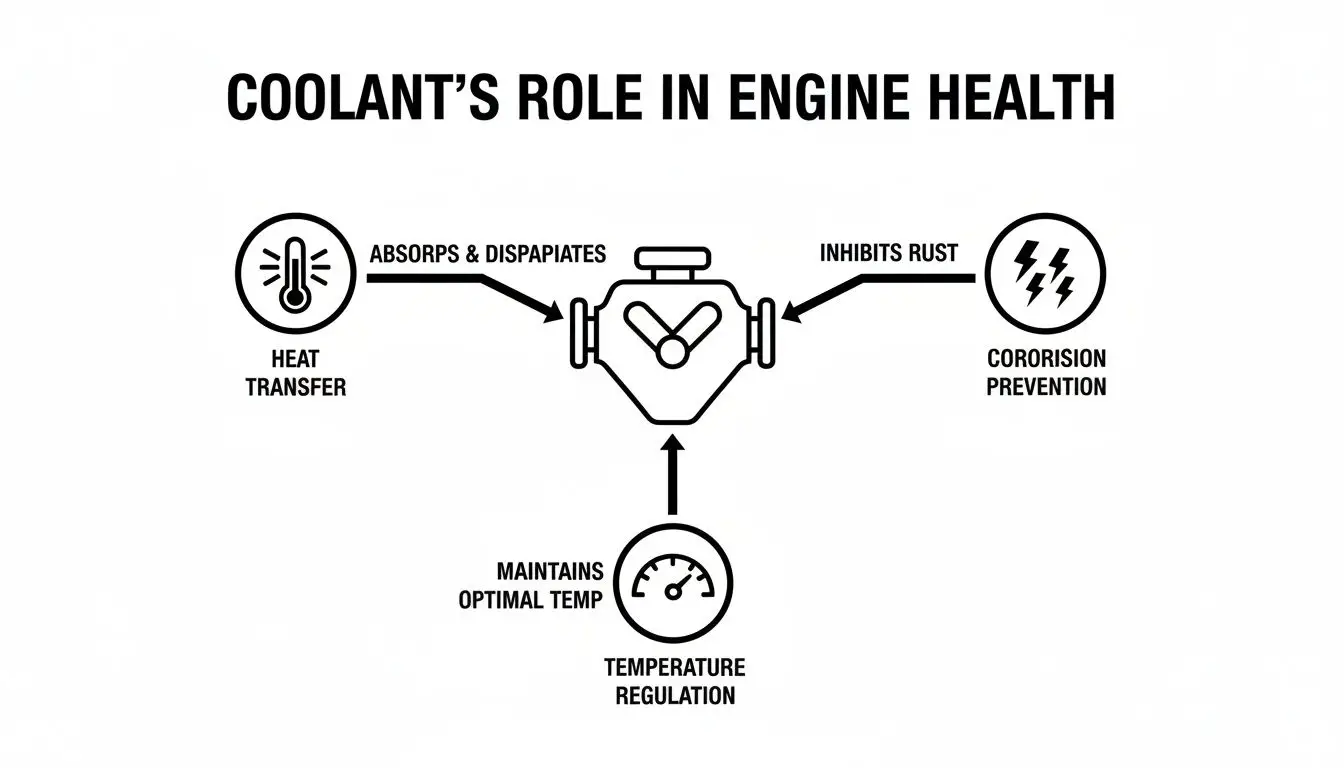
As this diagram shows, an engine relies on the specific chemical additives in its coolant to combat corrosion and manage extreme temperatures. This is why matching the coolant to your vehicle's specifications is so vital.
The Three Main Coolant Technologies
Your vehicle likely uses one of three primary coolant technologies. Each has a different chemical composition and, consequently, a different service life.
Inorganic Additive Technology (IAT): This is the traditional bright green coolant. It uses silicates and phosphates to protect the cooling systems of older engines, but these additives deplete relatively quickly. The recommended change interval is typically every 2 years or 30,000 miles. It is mainly found in vehicles built before the mid-1990s.
Organic Acid Technology (OAT): This is a modern, extended-life formula often colored orange, red, or dark green. Instead of silicates, it uses organic acids that provide much longer-lasting protection for engine components. It is standard for most General Motors, Volkswagen, and many Asian vehicles, with a typical service interval of 5 years or 150,000 miles.
Hybrid Organic Acid Technology (HOAT): This formulation combines the benefits of both technologies. HOAT coolant blends long-lasting organic acids with a small amount of silicates for rapid-acting corrosion protection. It is common in Ford, Chrysler, and many European vehicles, usually lasting 5 years or 100,000 miles. We explain these terms in greater detail in our guide on the difference between antifreeze and coolant.
Some mechanics may suggest a coolant change every 30,000 miles as a general precaution, which was a sound rule of thumb for older technologies. However, modern formulas have changed these requirements. For example, many new Toyota models use advanced coolants that can last up to 100,000 miles before their first service.
Remember that severe driving conditions, such as towing or extensive idling in summer traffic, can reduce a coolant's lifespan by 20-30%.
CRITICAL WARNING: Never mix different types of coolant. Combining an IAT coolant with a system designed for OAT coolant can trigger a chemical reaction that transforms the fluid into a thick, gelatinous sludge. This gel will clog the radiator and engine passages, leading to rapid overheating and catastrophic engine failure.
Coolant Type and Service Interval Comparison
To clarify the differences, here is a comparative table. While your owner's manual remains the ultimate authority, this chart provides a general overview of coolant types.
| Coolant Type (Technology) | Common Colors | Typical Lifespan (Miles/Years) | Common Vehicle Makes |
|---|---|---|---|
| IAT (Inorganic) | Bright Green | 2 Years / 30,000 Miles | Pre-1990s Domestic |
| OAT (Organic) | Orange, Red, Dark Green | 5 Years / 150,000 Miles | GM, VW, some Asian |
| HOAT (Hybrid) | Yellow, Pink, Blue | 5 Years / 100,000 Miles | Ford, Chrysler, European |
The key takeaway is that coolant technology has advanced significantly. What was true for a vehicle a decade ago may not apply to a new one. When in doubt, always refer to the owner's manual or consult a trusted technician.
Warning Signs Your Coolant Needs Changing Now
While adhering to your vehicle's maintenance schedule is ideal, your car can also provide direct signals that your cooling system needs immediate attention. Ignoring these warnings can lead to a breakdown and expensive repairs.
These indicators are often sensory—related to sight, smell, or dashboard warnings. Paying attention can be the difference between a routine coolant service and a major engine failure.
The Most Common Coolant Warning Signs
Your dashboard is your vehicle's primary communication tool. If the temperature gauge rises into the red "H" zone or fluctuates erratically, your coolant is likely failing to regulate engine temperature effectively.
However, other signs can appear before the situation becomes critical. Be aware of these red flags that indicate your cooling system requires immediate service:
- A Sweet, Syrupy Smell: Noticing a scent like burnt sugar or maple syrup after parking your car is a telltale sign of an ethylene glycol leak. This sweet odor indicates that coolant is escaping from a hose, the radiator, or another system component.
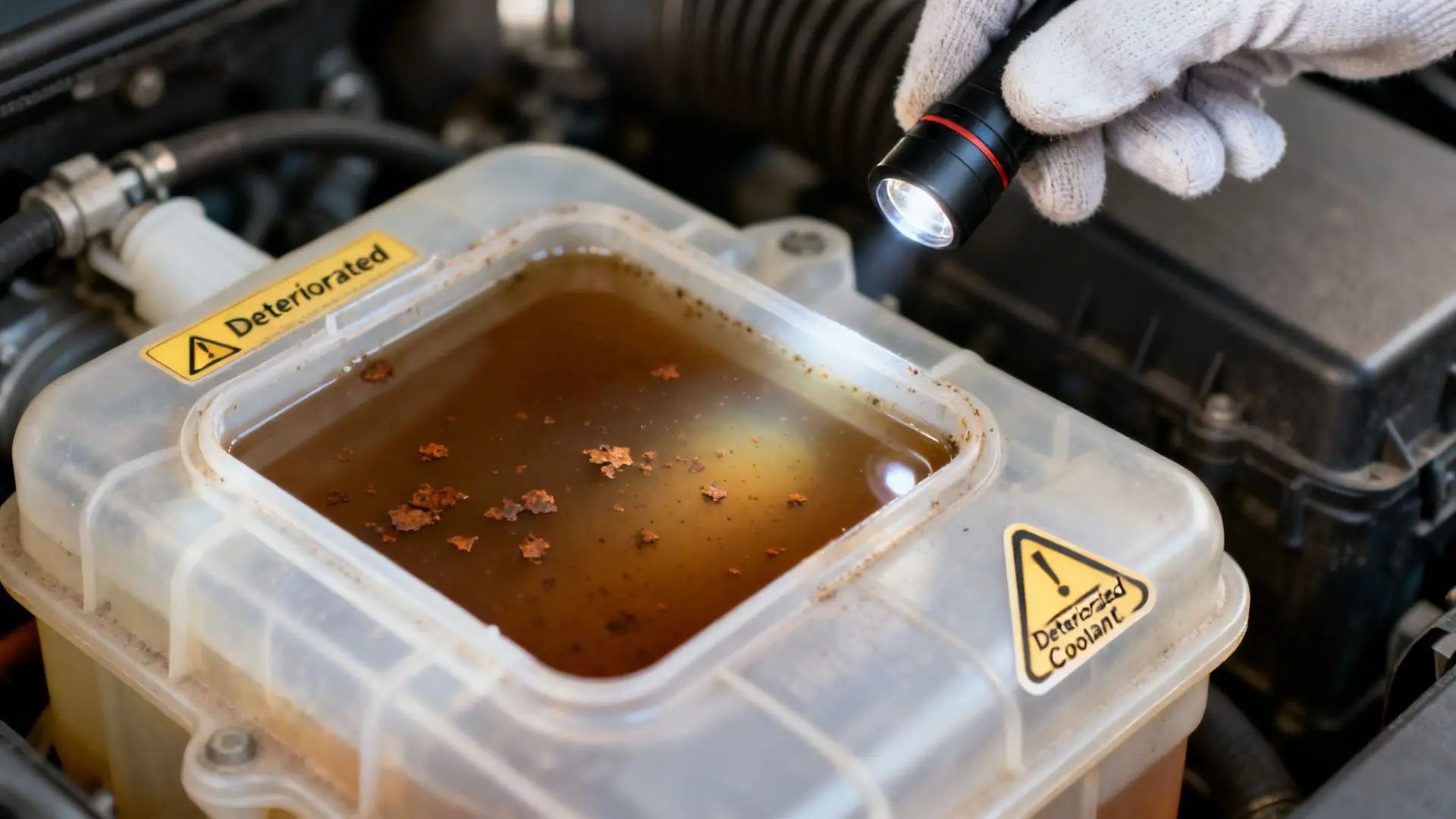
- Visible Rust or Particulates: With the engine completely cool, inspect the coolant in the overflow reservoir. If you see brown, rusty debris floating in the fluid, the anti-corrosion additives have been depleted, and your engine's internal components are corroding.
- Dark or Milky Fluid: Healthy coolant is translucent and brightly colored. If the fluid appears dark, muddy, or has a milky consistency, it is contaminated and has lost its effectiveness. This can be a sign of old, broken-down coolant or, more seriously, oil mixing with the coolant due to a head gasket failure.
Data shows that a significant number of drivers overlook coolant checks. This neglect contributes to overheating in 1 in 5 summer breakdowns, with average repair costs reaching $2,500. Fresh coolant prevents the kind of corrosion that can reduce a water pump's lifespan by 40%. You can discover more about these coolant insights from AutoZone.
How to Safely Check Your Coolant
Checking your coolant level is a simple procedure, but safety is paramount. A hot cooling system is highly pressurized, and opening the radiator cap can release scalding fluid, causing severe burns.
CRITICAL SAFETY WARNING: Never attempt to open the radiator cap when the engine is hot or even warm. You must wait until it has cooled down completely, which may take several hours after driving.
Once the engine is cold to the touch, follow these steps to check your coolant:
- Locate the Coolant Reservoir: This is a translucent plastic tank typically located near the radiator. It will have a hose connecting it to the radiator cap and will be marked with "Min" and "Max" lines.
- Check the Level: The fluid level should be between the "Min" and "Max" lines. A level below the minimum mark often indicates a leak.
- Inspect the Condition: Use a flashlight to examine the fluid in the tank. Is the coolant bright and clear? Or is it rusty, cloudy, or filled with sediment? If it is not clean, it is time for a professional coolant flush.
DIY vs. Professional Coolant Service: What's Best for You?
Should you change your coolant yourself or entrust it to a professional? The decision depends on your mechanical aptitude, available tools, and the desired outcome.
While a coolant change may seem like a straightforward DIY project, a simple "drain and fill" may only remove about 50% of the old, degraded fluid. The rest of the contaminated coolant remains trapped in the engine block and heater core, diminishing the effectiveness of the new fluid.
The Reality of a DIY Coolant Change
Undertaking a DIY coolant change means you are responsible for the entire process, including the less glamorous aspects. Before you begin, consider what the task entails:
Sourcing the Correct Coolant: As previously discussed, using the specific coolant technology (IAT, OAT, or HOAT) required by your vehicle is non-negotiable. This may require a trip to a specialty auto parts store or a dealership to find the correct formula.
Understanding Flush vs. Drain: A simple drain is easy. However, a proper flush—which removes all old fluid and contaminants—requires specialized equipment. Without it, you are performing an incomplete service, leaving behind the very deposits you aim to remove.
Proper Disposal: Used coolant is a toxic substance. It is harmful to pets and the environment, and it is illegal to pour it down a drain or into the ground. You are legally required to collect it in a sealed container and transport it to a designated hazardous waste disposal facility.
The Professional Advantage
When you bring your vehicle to a professional service center, you are investing in a comprehensive and correctly performed service. Certified technicians have the proper tools and experience to complete the job efficiently and effectively.
Peace of mind comes from knowing the job is done correctly. A professional service uses specialized flushing machines that remove nearly 100% of the old fluid and built-up grime, something that's almost impossible to achieve in a home garage.
Here’s what a professional coolant flush includes:
- Guaranteed Correct Fluid: Professionals will use the exact coolant specified by your vehicle's manufacturer, ensuring optimal performance and long-term protection.
- A Full System Inspection: Technicians will inspect your hoses, radiator, and water pump for leaks or signs of wear, helping to identify potential problems before they become major failures.
- Hassle-Free Disposal: The service center handles the safe and legal disposal of the used coolant, ensuring environmental responsibility.
Ultimately, the choice is yours. A DIY drain-and-fill is better than no service at all, but it does not provide the same level of protection as a professional flush. To understand the procedural differences, you can learn more about a coolant flush vs. drain and fill in our detailed guide.
For a complete, worry-free service that guarantees your engine is protected, a professional flush offers unbeatable value and peace of mind.
Your Go-To for Coolant Service in Plano
We have covered the why and when of changing your coolant. Now, let's discuss the who. In Plano, vehicles endure demanding conditions, from gridlock traffic to intense summer heat. At Express Lube & Car Care, we understand the local challenges your vehicle faces.
We are a local business committed to helping our neighbors keep their cars running safely and reliably. Our goal is to provide honest advice and fair pricing without the inconvenience of scheduling an appointment.
How We Do Things Differently
We do not rely on guesswork. Our process begins with a thorough inspection of your vehicle's entire cooling system. We assess the coolant's condition and check for any underlying issues to ensure we are addressing the root cause of any problem, not just its symptoms.
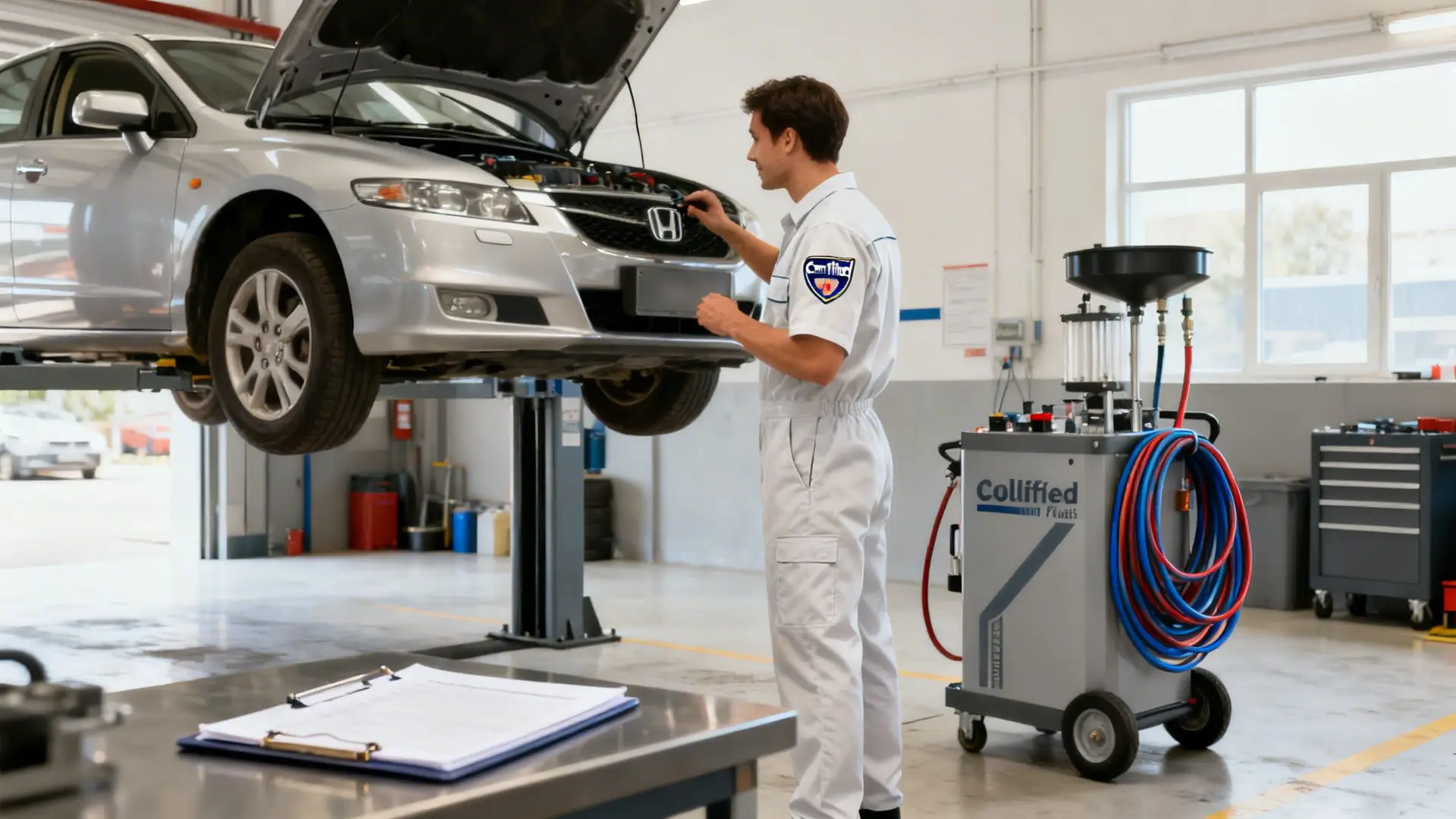
Our ASE-certified technicians are qualified to service all makes and models, and we utilize professional-grade equipment to perform a comprehensive coolant flush.
A professional coolant flush is far more effective than a simple drain-and-fill. Our advanced equipment removes nearly 100% of the old, contaminated fluid from the engine block, heater core, and radiator. This process ensures your system is completely clean, providing the best possible protection.
You can trust us to provide straightforward recommendations without upselling unnecessary services, focusing solely on keeping you safe on the road.
Here’s what makes Express Lube & Car Care the right choice for your coolant service:
- No Appointment Needed: We value your time. Simply drive in at your convenience.
- ASE-Certified Technicians: Our professionals are trained to handle your vehicle's needs with precision.
- State-of-the-Art Equipment: We use modern flushing machines to deliver a complete service that a DIY approach cannot replicate.
- Honest & Fair Pricing: We offer special discounts and transparent pricing to provide our community with the best value.
Frequently Asked Questions About Coolant Changes
If you have more questions, you are not alone. It is wise to be well-informed about your vehicle's maintenance. Here are clear answers to some of the most common questions we receive from drivers.
Can I Just Top Off My Coolant Instead of Changing It?
Topping off coolant should be considered a temporary measure, not a long-term solution. While it may correct the fluid level, it does not address the underlying issue of degraded coolant.
Over time, the vital anti-corrosion additives in your coolant deplete. A complete fluid exchange is the only way to remove the old, contaminated fluid and sediment, restoring full protection to your engine. Furthermore, a consistently low coolant level is a strong indicator of a leak that requires professional diagnosis.
What Is a Coolant Flush vs. a Drain and Fill?
These two services are fundamentally different. A basic drain-and-fill involves draining the easily accessible coolant from the radiator and refilling the system. The major drawback is that this method only removes 40-60% of the total coolant, leaving a significant amount of old, contaminated fluid in the engine block and heater core.
A professional coolant flush is a comprehensive service. We use specialized equipment to circulate a cleaning agent throughout the system and then use pressure to push out nearly 100% of the old fluid and accumulated deposits. This ensures the entire system is clean before fresh coolant is added, maximizing protection.
Do Electric Vehicles and Hybrids Need Coolant Changes?
Yes, they absolutely do. It is a common misconception that they do not. EVs and hybrids utilize sophisticated thermal management systems to regulate the temperature of their battery packs, motors, and power electronics. These cooling systems are just as critical as those in traditional internal combustion engines.
These vehicles require very specific types of coolant and have their own factory-recommended service intervals. Adhering to these guidelines is essential for protecting battery life, maintaining optimal performance, and ensuring the long-term health of your EV or hybrid.
When you’re ready for a professional, no-hassle coolant service, swing by Express Lube & Car Care right here in Plano. You don’t need an appointment—just drive in, and our ASE-certified technicians will give you the peace of mind you deserve. Learn more and get directions today.