

Your vehicle's brake pads are one of its most critical safety components, responsible for converting motion into heat to bring you to a safe stop. Among the options available, the ceramic brake pad represents a significant advancement in braking technology, offering a unique combination of performance, quietness, and durability for everyday driving.
What Is a Ceramic Brake Pad?
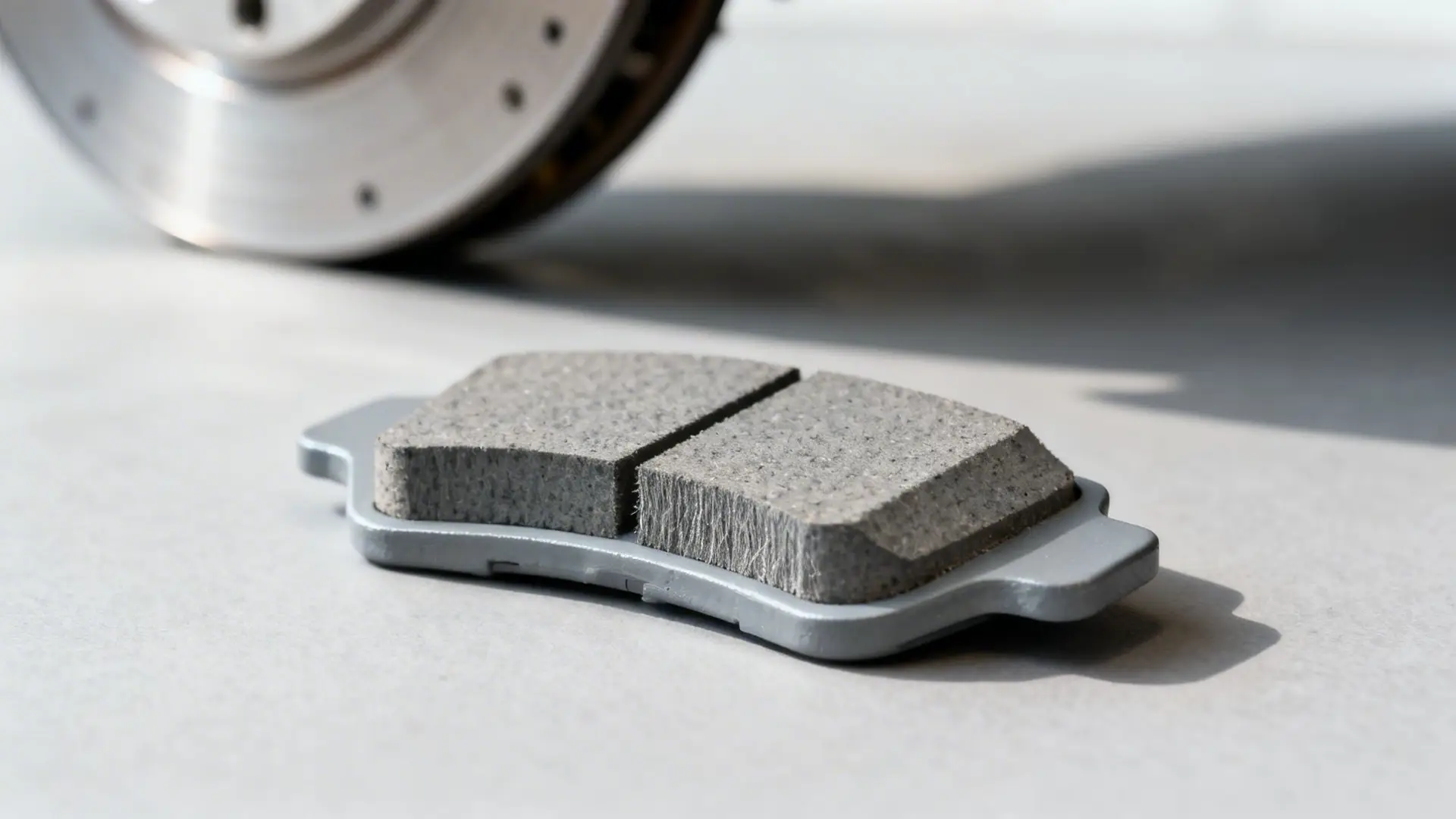
A ceramic brake pad is a type of friction material engineered for modern braking systems. Unlike older semi-metallic pads composed of steel wool and other metals, or early asbestos-based pads, ceramic pads are constructed from a dense, robust ceramic material blended with non-ferrous (non-iron) fillers and often embedded with copper fibers. These components are bonded together using a high-temperature resin.
This sophisticated composition is what gives ceramic pads their signature characteristics. The formulation is designed to manage heat effectively, minimize noise, and significantly reduce the amount of brake dust that accumulates on wheels.
The Science Behind a Smooth, Consistent Stop
The fundamental function of a brake pad is to handle the immense heat and friction generated during braking. When you press the brake pedal, the pads clamp down on the brake rotor, converting the vehicle's kinetic energy into thermal energy (heat).
A key attribute of a ceramic brake pad is its exceptional ability to dissipate heat rapidly and maintain a stable coefficient of friction across a wide range of temperatures. This thermal stability is crucial for preventing "brake fade," a dangerous condition where overheated pads lose their effectiveness, increasing stopping distances.
The material composition also results in a finer, lighter-colored dust that is less adhesive than the dark, greasy dust from metallic pads, keeping wheels cleaner.
Key characteristics of a ceramic brake pad include:
- Quiet Operation: The composition of ceramic and copper fibers helps dampen high-frequency vibrations, which are the primary cause of brake squeal, resulting in a nearly silent stop.
- Low Dust Output: They produce significantly less visible dust compared to other pad types, maintaining the aesthetic of your vehicle's wheels.
- Rotor-Friendly: The non-abrasive nature of the compound causes less wear on brake rotors, extending their service life and reducing long-term maintenance costs.
Originally developed in the 1980s as a high-performance alternative for luxury and sports cars, ceramic brake pad technology has become a mainstream choice for a wide variety of vehicles, from family sedans and SUVs to daily commuters.
Advantages and Disadvantages of Ceramic Brake Pads
Selecting the right brake pads requires balancing performance needs, driving style, and budget. While ceramic brake pads are a premium option, understanding their specific benefits and trade-offs is essential to determine if they are the optimal choice for your vehicle.
For the majority of drivers, the advantages are compelling. One of the most frequently cited benefits is their quiet operation. The blend of ceramic materials and copper fibers is highly effective at absorbing the vibrations that lead to brake squeal and noise, ensuring a smooth and silent braking experience.
Furthermore, their low-dusting properties are a significant advantage for vehicle owners who prioritize clean wheels. The light-colored, non-adhesive dust produced is far less noticeable than the dark, stubborn grime characteristic of semi-metallic pads.
The Upside of Choosing Ceramic
Ceramic pads often represent a sound long-term investment. While their initial purchase price is higher, their excellent durability—typically ranging from 50,000 to 70,000 miles—and their gentle nature on brake rotors can lead to lower overall maintenance costs.
The higher upfront cost is often offset by extended service intervals and reduced wear on associated brake components. This translates to fewer replacements over the life of the vehicle, offering tangible long-term value.
Other key advantages include:
- Stable Performance: Ceramic pads provide consistent and predictable braking force across a wide temperature spectrum, from cold starts to hot summer conditions.
- Superior Fade Resistance: Their ability to manage heat efficiently minimizes the risk of brake fade during prolonged or heavy braking, enhancing safety.
- Consistent Pedal Feel: The friction material provides a firm, linear response at the pedal, which can increase driver confidence in varied traffic situations.
Considering the Downsides
No single brake pad material is universally perfect. The primary drawback of ceramic pads is their higher initial cost compared to traditional organic or semi-metallic options, a result of more complex manufacturing processes and advanced materials.
Additionally, for extreme high-performance applications such as dedicated track racing, some specialized metallic pads may offer a more aggressive initial "bite" at exceptionally high temperatures. However, for public road use and daily driving, the performance of ceramic pads is more than sufficient and often preferable due to their other benefits.
How Long Do Ceramic Brake Pads Last?
A primary reason for upgrading to ceramic brake pads is their exceptional longevity. While numerous variables influence brake pad wear, ceramic formulations consistently outperform their counterparts, with a typical service life ranging between 50,000 and 70,000 miles. This durability makes them a cost-effective choice over the vehicle's lifespan.
This extended lifespan is a direct result of their material composition. The dense ceramic fibers and specialized bonding agents are engineered to withstand the extreme friction and heat generated during braking, eroding at a significantly slower rate than other materials. This inherent toughness means longer intervals between brake service appointments.
Factors Influencing Pad Durability
The lifespan of any brake pad is heavily dependent on driving habits and conditions. A vehicle used primarily for highway driving with smooth, gradual braking will experience far less pad wear than one navigating constant stop-and-go city traffic.
Aggressive driving, characterized by hard, late braking, generates excessive heat and friction, accelerating pad wear significantly. For drivers in dense urban areas like Plano, the superior durability of a ceramic pad can reduce the frequency of brake replacements. For a comprehensive overview, our guide on how long brake pads should last details how different factors contribute to wear.
The long-term value of a ceramic brake pad is realized through its reliability and reduced need for replacement. This minimizes vehicle downtime and lowers the total cost of ownership, a tangible benefit for any vehicle owner.
This summary provides a clear overview of the trade-offs associated with ceramic pads.
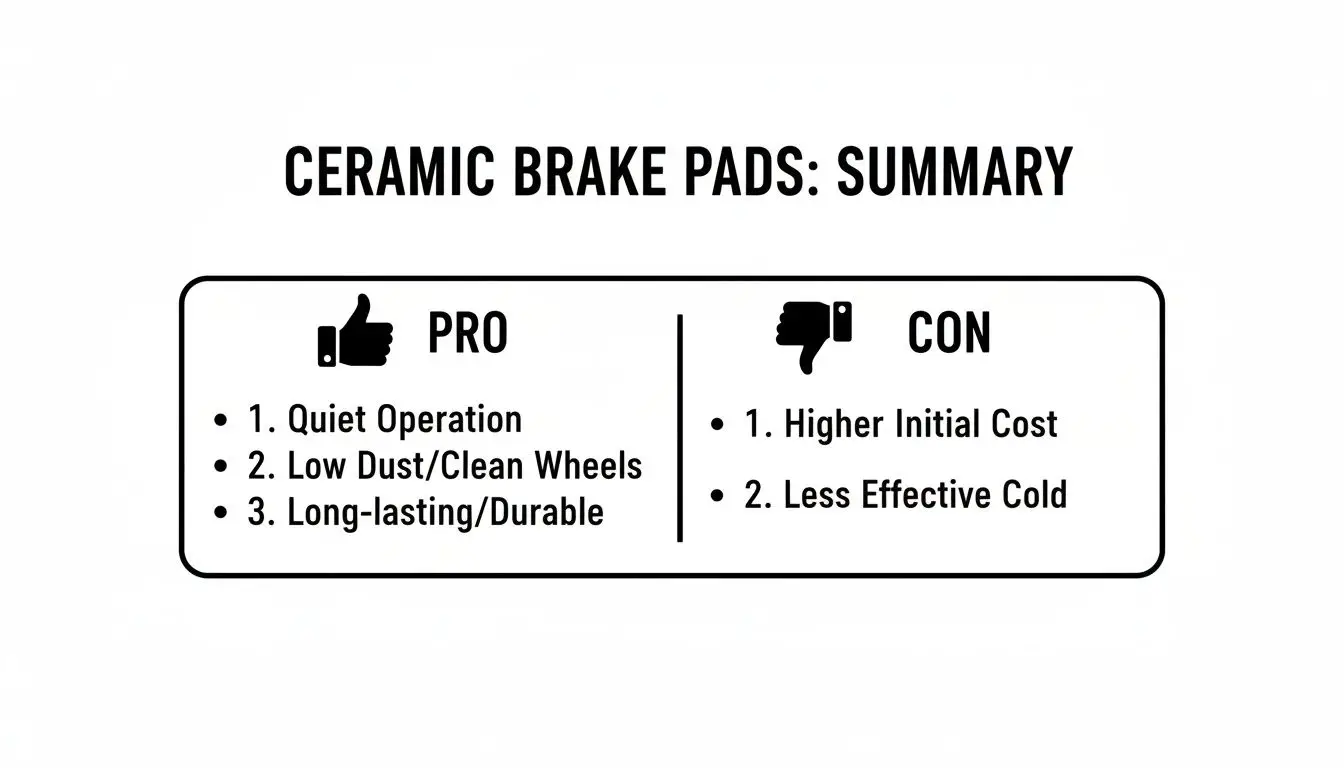
As illustrated, ceramic pads excel in quietness, low dust output, and durability, with the primary trade-off being the initial investment.
Real-World Performance and Long-Term Value
Empirical data reinforces the durability claims. Independent tests have shown that, under typical driving conditions, ceramic brake pads can last 23% to 50% longer than their semi-metallic equivalents.
For a typical driver, this could mean achieving well over 60,000 miles from a single set of ceramic pads. Furthermore, their non-abrasive formulation is gentler on brake rotors, helping to prevent premature wear and the need for other costly brake system repairs.
The Evolution of Brake Pad Materials
To fully appreciate the significance of the modern ceramic brake pad, it's helpful to understand the history of brake friction materials. This history is a narrative of continuous innovation aimed at solving challenges related to safety, performance, and environmental health.
For decades, asbestos was the standard material for brake pads due to its excellent heat resistance and low cost. However, the discovery of its severe health risks necessitated a widespread industry shift towards safer alternatives, leading to the development of semi-metallic and organic brake pads.
From Asbestos to Semi-Metallic and Organic Pads
The 1970s marked a critical transition period. Automakers began adopting semi-metallic pads, which contained a mixture of steel wool, copper, and other metallic fibers. While effective at stopping, they were notoriously noisy, harsh on rotors, and produced copious amounts of black brake dust.
As an alternative, non-asbestos organic (NAO) pads were introduced. These were quieter but wore out much more quickly and were susceptible to brake fade under heavy use. This left drivers with a difficult choice: durable but noisy and dirty brakes, or quiet brakes that required frequent replacement.
The central challenge for engineers was to develop a material that combined strong, fade-resistant braking with quiet operation and low dust, all without the health hazards of asbestos or the drawbacks of early metallic pads. The pursuit of this balance paved the way for ceramic technology.
The Modern Ceramic Brake Pad
Ceramic brake pad technology began to mature in the 1990s, evolving from early formulations into the sophisticated products available today. The technology was first pioneered in the 1970s by companies like the Japanese firm Akebono, which sought a direct, safer replacement for asbestos pads.
Today's ceramic pads are precisely engineered composites of ceramic fibers, fillers, and advanced bonding agents. This formulation allows them to last between 50,000 and 70,000 miles—significantly longer than most semi-metallic pads. They also offer the benefits of minimal dust and whisper-quiet operation. To learn more about this progression, learn more about the evolution of brake pads on TireReview.com. This combination of attributes has made ceramic pads the premier choice for a vast range of modern vehicles.
Common Indicators of Worn Brake Pads
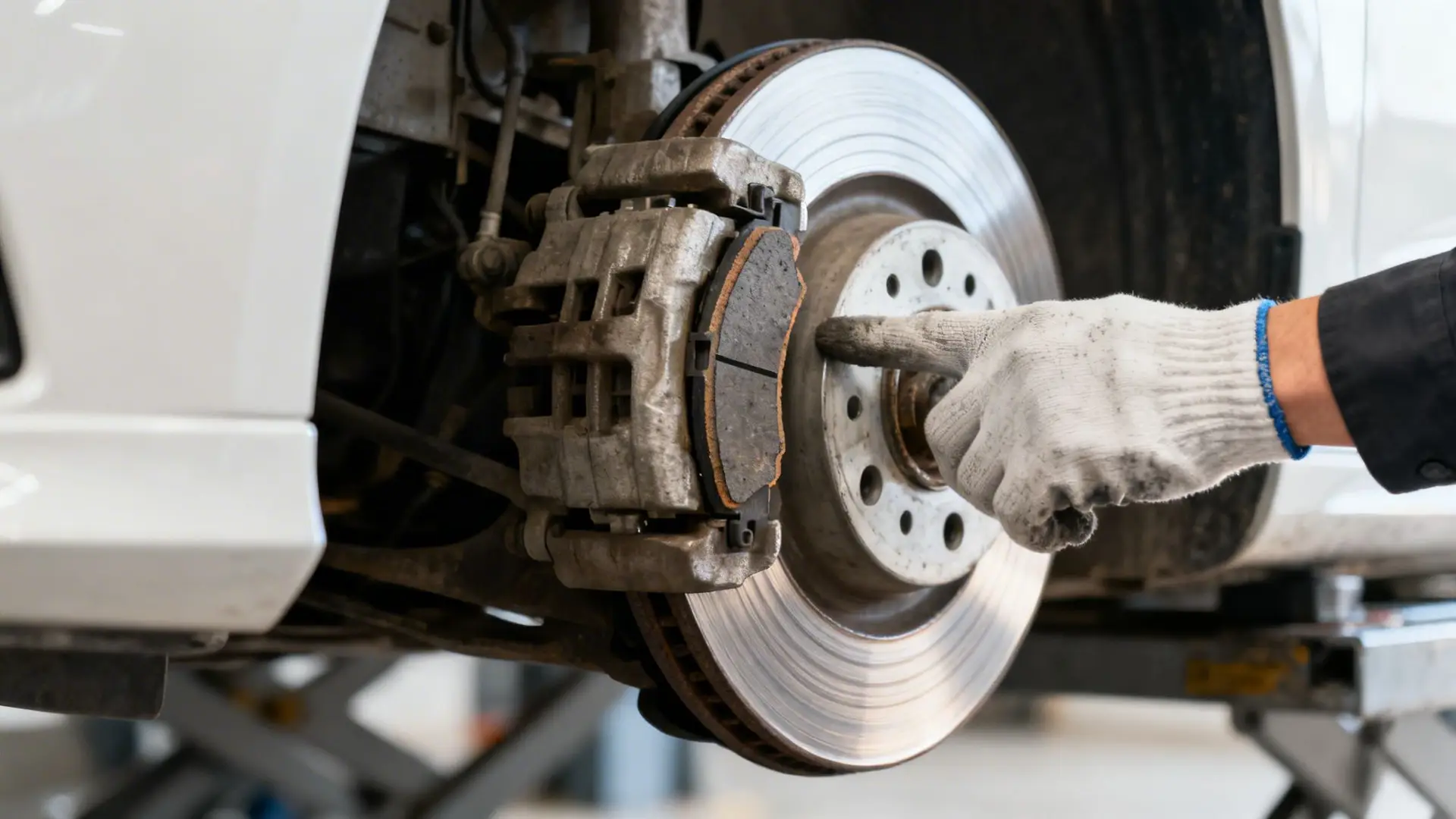
Your vehicle's braking system is designed to provide clear warning signs when components like brake pads are nearing the end of their service life. Recognizing these auditory and tactile cues is essential for maintaining vehicle safety.
The most common early warning is a high-pitched squealing or screeching sound that occurs when the brake pedal is applied. This is not a random noise; it is intentionally designed. Most brake pads, including ceramic types, are equipped with a small metal tab called a "wear indicator." As the friction material wears down to a minimum safe thickness, this tab contacts the brake rotor, creating the distinct audible alert. This is your vehicle's primary signal that it's time for a brake inspection.
From Auditory Warnings to Tactile Symptoms
If the initial squeal is ignored, it will typically escalate into a much more severe sound: a deep, metallic grinding noise. This indicates a critical safety issue.
A grinding noise signifies that the brake pad's friction material is completely worn away, and the metal backing plate is now grinding directly against the brake rotor. This severely compromises braking ability, dramatically increases stopping distances, and causes significant, costly damage to the rotors.
In addition to sounds, pay attention to physical sensations during braking. Other key indicators include:
- Vibration or Pulsation: A shuddering or vibrating sensation felt through the brake pedal or steering wheel often indicates that the brake rotors have become warped, usually from excessive heat generated by worn pads.
- A "Spongy" or Soft Pedal: If the brake pedal feels unusually soft, lacks resistance, or sinks towards the floor, it may signal air in the hydraulic brake lines or a failing master cylinder.
- Vehicle Pulling to One Side: If the vehicle veers left or right during braking, it often points to unevenly worn brake pads or a malfunctioning brake caliper on one side.
Addressing these symptoms promptly is crucial for safety. Any of these signs warrant an immediate professional brake inspection.
Why Choose Us for Your Brake Service in Plano
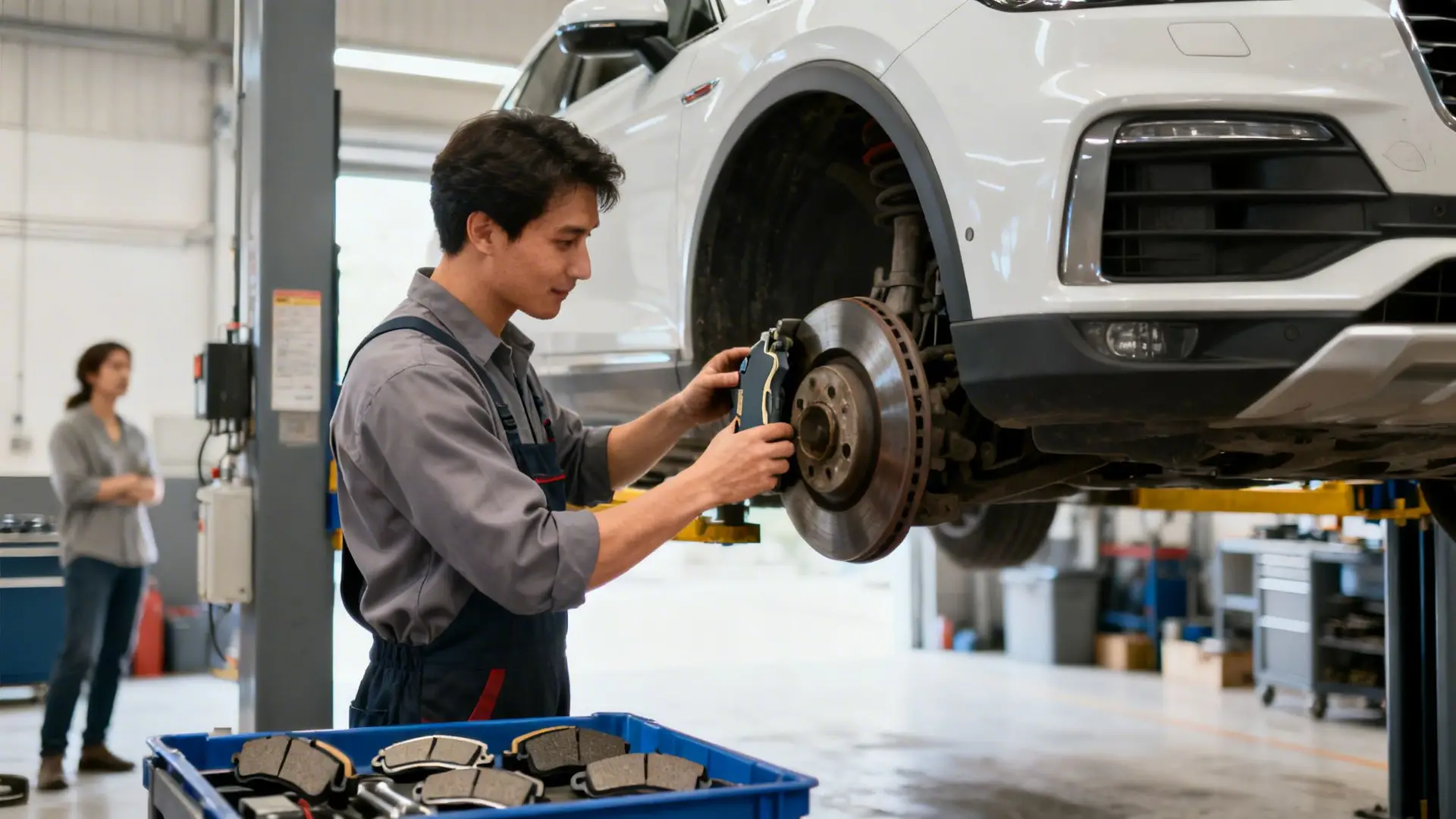
When servicing your vehicle’s braking system, choosing a provider with proven expertise and a commitment to integrity is paramount. At Express Lube & Car Care, our reputation in Plano is built on providing trustworthy service and prioritizing your safety. We understand that your time is valuable, which is why we operate on a no-appointment-needed basis.
Our model is designed for your convenience. Stop by when it fits your schedule, and our team will perform an efficient and thorough brake inspection to get you back on the road safely and without unnecessary delays.
Expertise You Can Count On
Our technicians are ASE-certified, ensuring that your vehicle's most vital safety system is serviced by trained professionals who adhere to the highest industry standards. Whether you are upgrading to ceramic brake pads or require a routine inspection, our team performs every job with precision and care.
We are committed to transparent communication and fair pricing. We provide honest assessments and recommend only the services your vehicle genuinely needs—without upselling or pressure. We will clearly explain our findings and discuss your options before any work begins. You can learn more about what a brake service should include to understand our comprehensive and transparent process.
Quality Parts and Efficient Service
We use only high-quality brake components to ensure quiet, reliable, and long-lasting stopping power. Our commitment to excellence includes:
- Efficient Turnaround: We work diligently to service your vehicle and return it to you promptly, without ever compromising on safety or quality.
- Honest Recommendations: Our advice is always straightforward and tailored to the specific condition and needs of your vehicle.
- Community Appreciation: We are proud to offer discounts for military members, first responders, and on Ladies Day Wednesdays as a thank you for their contributions to our community.
For brake service in Plano that is both dependable and convenient, trust the experts at Express Lube & Car Care to ensure your vehicle's safety.
Frequently Asked Questions About Ceramic Brake Pads
Many drivers have questions when considering an upgrade to a ceramic brake pad. Here are clear, factual answers to some of the most common inquiries we receive.
Are Ceramic Brake Pads Worth the Higher Cost?
While ceramic pads have a higher initial purchase price, their long-term value proposition is strong. Their extended lifespan, reduced wear on rotors, and low-dust characteristics often result in a lower total cost of ownership. The savings come from fewer replacements and reduced maintenance on associated brake components over time.
How Do They Perform in Rain or Cold Weather?
Modern ceramic brake pads are engineered to deliver consistent performance across a broad range of operating conditions. The outdated notion that they perform poorly when cold or wet is no longer accurate. Advanced formulations provide reliable, predictable stopping power year-round, from cold winter mornings to heavy rain.
Why Is It Unsafe to Mix Different Brake Pad Types?
Installing different types of brake pads on a vehicle (e.g., ceramic on the front axle and semi-metallic on the rear) is strongly discouraged as it poses a significant safety risk.
Different friction materials have distinct thermal properties and coefficients of friction. Mismatched pads can create a braking imbalance, potentially causing the vehicle to become unstable, pull to one side, or experience an unexpected increase in stopping distance. For safe and predictable braking, it is critical to use the same type of pad on all four wheels.
Are Ceramic Pads a Good Choice for Electric and Hybrid Vehicles?
Yes, a ceramic brake pad is an excellent option for electric vehicles (EVs) and hybrids. These vehicles utilize regenerative braking, which means the conventional friction brakes are used less frequently but must provide immediate, reliable performance when needed.
Ceramic pads are well-suited for this application for several reasons:
- Quiet Operation: Complements the silent powertrain of an EV or hybrid.
- Corrosion Resistance: Less-frequently used brakes are more prone to rust, and the non-ferrous composition of ceramic pads helps mitigate this issue.
- Low Dust: Maintains the clean aesthetic of the vehicle's wheels.
The growing adoption of these pads in modern vehicles is a key reason the global automotive brake pad market is projected to reach $5.1 billion by 2028. You can read more about the growing market for brake pads on kbvresearch.com.
If you are ready to experience the quiet, clean, and durable performance of ceramic brake pads, visit Express Lube & Car Care in Plano, TX. Our ASE-certified technicians offer fast, no-appointment-needed service to keep your vehicle stopping safely and reliably.
Stop by today for an expert consultation and trustworthy brake service.