

You’re driving through Plano traffic, keeping pace with everyone around you, and then a small red battery symbol lights up on the dash. The car still runs. Nothing has shut off yet. But your stomach drops because you know warning lights usually don’t come on for fun.
That reaction is normal. A battery light comes on while driving because the car is warning you about an electrical charging problem, and if you ignore it, the vehicle can quit once the remaining battery power runs out. The good news is that this usually gives you at least a short window to make smart decisions instead of panicking.
A lot of drivers assume the battery itself has suddenly died. Sometimes that’s part of the story, but often the underlying issue is somewhere else in the charging system. If you want a quick companion read on what a battery light on your dashboard generally means, that’s a useful starting point. What matters most right now is knowing what the light is telling you, what to do in the first minute, and how to judge whether you can drive a little farther or need a tow right away.
That Dreaded Red Light on Your Dashboard
The battery warning light has a way of showing up at the worst time. It might happen on the Dallas North Tollway during rush hour, on President George Bush Turnpike with your kids in the back seat, or while you’re headed to work and already cutting it close. The car may still feel normal for the moment, which makes the situation even more confusing.
That’s why drivers often make one of two mistakes. They either ignore the light because the car still runs, or they panic and stop somewhere unsafe. Neither response helps much.
What makes this warning different
A battery warning light is serious because it can turn into a no-start or stall situation if the charging problem continues. But serious doesn’t mean hopeless. In many cases, you still have enough time to reduce electrical load, get to a safer location, and make a calmer decision about the next step.
Practical rule: Treat the battery light like an early warning, not a suggestion.
When I explain this to drivers, I compare it to seeing the low fuel light when you’re far from a gas station. The car hasn’t stopped yet, but you should already be changing your plan.
What matters right now
Focus on three questions:
- Is the car still driving normally and are you able to steer and brake without trouble?
- Can you move to a safer place such as a parking lot, service road, or side street?
- Are other electrical symptoms showing up like dim lights, weak power accessories, or warning lights multiplying?
If the answer to that last question is yes, your available battery reserve may be shrinking fast. That’s your cue to stop stretching your luck.
What Your Car's Battery Light Actually Signals
The battery light means the charging system is not keeping up. In plain terms, the car is running on borrowed time because the battery is being asked to carry electrical loads that the alternator should be handling.
Why the warning can be misleading
Drivers see the battery symbol and assume the battery itself failed. Sometimes that is true, but far more often the problem is upstream. The alternator may not be charging, the drive belt may be slipping, or a connection may be loose enough to interrupt the flow of power.
Once that happens, the electrical system starts drawing down the battery reserve. That reserve is limited. On a car with very few accessories running, you may have enough time to reach a safer exit or parking lot. On a newer vehicle with the blower motor on high, headlights, phone chargers, and multiple control modules active, the reserve can disappear much faster.
That trade-off matters in practical scenarios, especially if the light comes on in Plano traffic or on a busy stretch of highway.
What is happening under the hood
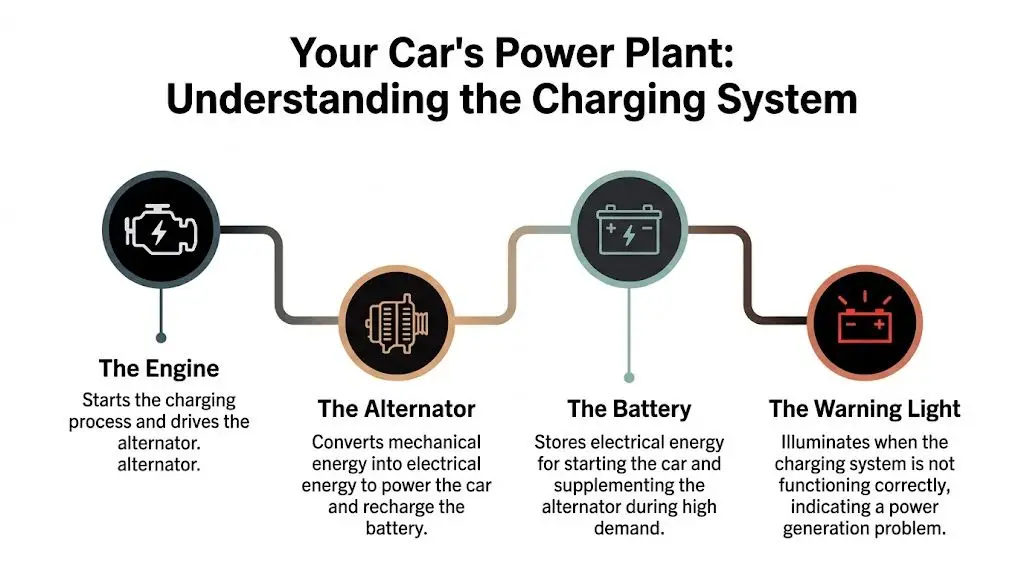
The charging system follows a simple chain:
- The engine turns the serpentine belt
- The belt spins the alternator
- The alternator supplies power to the vehicle’s electrical system
- The battery acts as reserve power and supports voltage stability
- The warning light comes on when the system is no longer charging properly
If one part of that chain drops out, the battery starts covering the shortfall. The belt itself may be the reason the alternator can’t work. A worn tensioner, corroded battery terminal, failing alternator, or wiring issue can create the same dashboard warning.
If you want a closer look at symptoms tied specifically to alternator failure, this guide on how to tell if an alternator is bad is a useful next read.
When the battery light turns on while driving, read it as “the vehicle is not charging correctly.”
Why this changes how far you can safely drive
This warning is less about the battery’s age and more about remaining electrical reserve. That is the piece many drivers never get told. How far you can go depends on battery condition, outside temperature, engine speed, and how much electrical demand the car is carrying at that moment.
A car that still feels normal may only have a short window left before lights dim, accessories shut down, or the engine stalls. A car with low electrical demand may give you enough time to get off the highway and into a parking lot. That is why the smartest first move is to reduce load and make distance decisions based on symptoms, not hope.
Restarting the engine can also work against you. If the charging system has quit, every restart uses more of the battery reserve you may need to reach a safer place or keep the engine running until help arrives.
Immediate Safety Steps When the Light Appears
The first minute matters more than most drivers realize. You’re not fixing the problem yet. You’re buying yourself the best chance to stay safe and preserve enough battery power to avoid getting stuck in a bad place.
What to do in the first moments
Start with control, not speed.
- Stay calm and keep the car steady. Sudden lane changes create more danger than the warning light itself.
- Look for a safer stopping option. A parking lot, frontage road, or side street is better than stopping tight against fast highway traffic if you can avoid it.
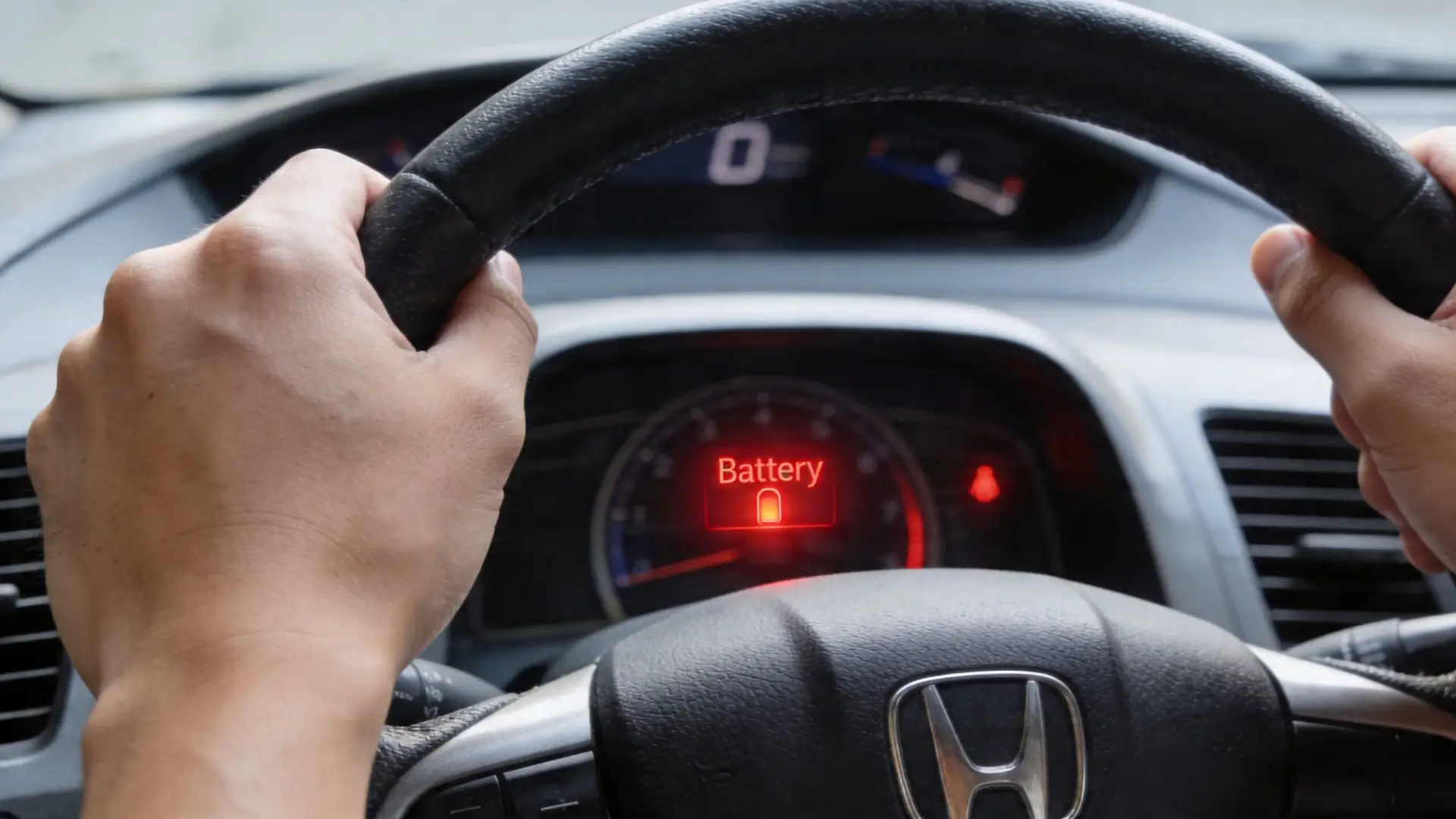
- Watch the dash and the way the car feels. If more warning lights appear or the headlights fade, the system may be running out of reserve power.
Cut the electrical load
Once you know where you’re going, conserve power. Turn off anything the engine doesn’t need to keep running.
- Switch off the A/C or heater blower if conditions allow.
- Unplug phone chargers and accessories.
- Turn off the radio and seat features you don’t need.
- Avoid power-hungry extras like unnecessary lighting.
The reason is simple. Every accessory pulls from the same limited electrical supply. If the alternator isn’t carrying the load, the battery is.
Keep power for the systems that matter most, including ignition, fuel delivery, and basic vehicle operation.
Decide whether to keep moving or pull over now
Drivers often get into trouble. If the car starts acting strangely, don’t keep pressing your luck just because you’re “almost there.”
Pull over sooner if you notice:
- Dimming headlights
- Power windows slowing down
- A burning smell from the belt area
- Whining or grinding from under the hood
- Erratic dash behavior
If the vehicle still feels stable and you can safely reach a nearby place to stop, do that. Once parked, leave the engine off if you suspect the battery is nearly depleted and you’re waiting for roadside help. Repeated restart attempts can make the situation worse.
One mistake to avoid
Don’t assume a jump-start solves this problem. A jump-start may restart the engine, but if the charging system has failed, the car can die again once it uses up that borrowed power.
The Most Common Culprits Behind the Warning Light
A battery light that comes on while driving usually points to one problem. The charging system is not keeping up. In the shop, I start with the parts most likely to stop battery power from being replaced while the engine is running, because that answer matters if you are trying to judge whether you can make it a few more miles or need a tow now.
The alternator is still the top suspect
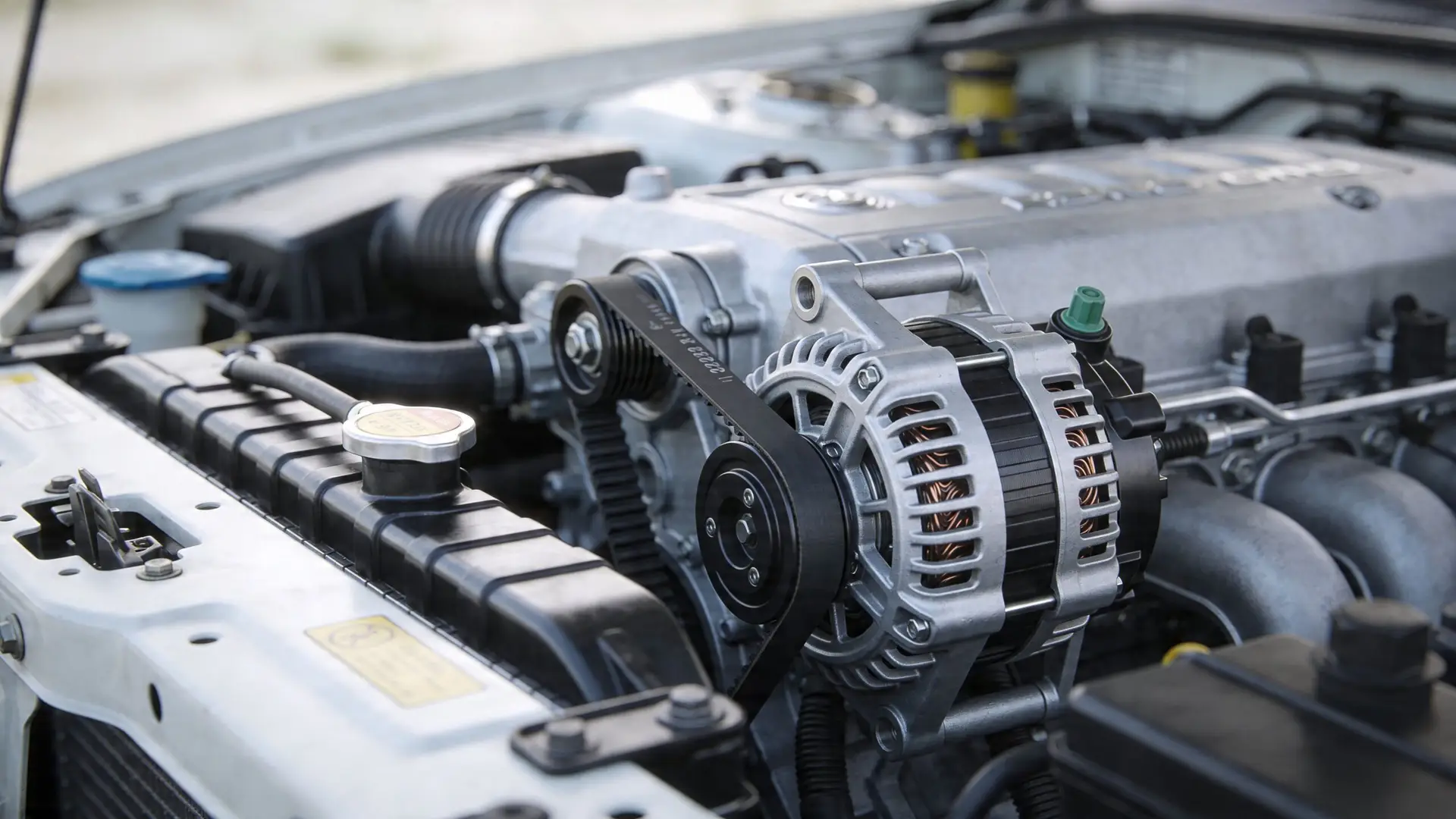
The alternator does the steady work once the engine is running. It powers the car’s electrical systems and refills the battery at the same time. When it starts to fail, the vehicle begins spending battery reserve instead of living off fresh charging current.
That change is why drivers often notice a gradual slide instead of one clean breakdown.
Common alternator clues include:
- Headlights that dim, then recover
- Dash lights that look unstable
- Accessories that get weak at idle
- A growl, whine, or bearing noise from the alternator area
- A battery that keeps going low even after being charged
If you recently needed a jump-start for a dead battery, then the battery light came on while driving, I would put charging output high on the suspect list.
A belt problem can mimic an alternator failure
The alternator cannot charge if the serpentine belt is slipping or not turning it at full speed. I have seen plenty of cars towed in for a “bad alternator” that really had a worn belt, weak tensioner, or pulley problem.
The symptoms can look almost identical at first. The light comes on. Steering may feel different on some vehicles. You may hear a squeal on startup or under load. If the belt breaks outright, the situation usually gets worse fast.
The battery changes how much time you have
The battery is not always the root cause, but it affects how much margin you have left. A healthy battery can give you a short buffer while you work your way to a safe exit or parking lot. An old or weakened battery cuts that buffer down.
That is the trade-off many drivers miss. Two cars can show the same warning light and have very different odds of making it another few miles. One has enough reserve to reach a nearby service shop. The other dies at the next stoplight.
Loose connections and corrosion create confusing symptoms
Charging systems need a clean path from the alternator to the battery and the rest of the car. Corroded terminals, loose battery cables, damaged grounds, or a poor alternator connection can interrupt that path and trigger the same warning light.
Watch for:
- White, green, or bluish buildup at the terminals
- Battery cables that twist or lift by hand
- Heat discoloration at a cable end
- Wiring insulation that looks rubbed through or brittle
These faults often cause on-and-off behavior, which is why some drivers see the light flicker for days before the car finally will not restart.
Intermittent warning lights deserve attention
A flickering battery light is not harmless. It usually means charging voltage is dropping in and out, often from belt slip, a weak connection, or an alternator that is failing under load. If that pattern sounds familiar, this guide can help you troubleshoot your battery light.
A steady light usually means the problem is active right now. A flickering light often means you caught it earlier, which gives you a better chance to stop somewhere safe before the car runs out of electrical reserve.
Simple Checks You Can Perform Before Calling for a Tow
If you’re safely parked, you can do a few quick checks without tools or with only basic hand tools. The goal isn’t to perform a roadside repair. The goal is to decide whether the problem is obvious, whether driving farther is risky, and whether roadside assistance makes more sense.
Start with a visual inspection
Open the hood only if you can do so safely and you’re away from active traffic.
Check these first:
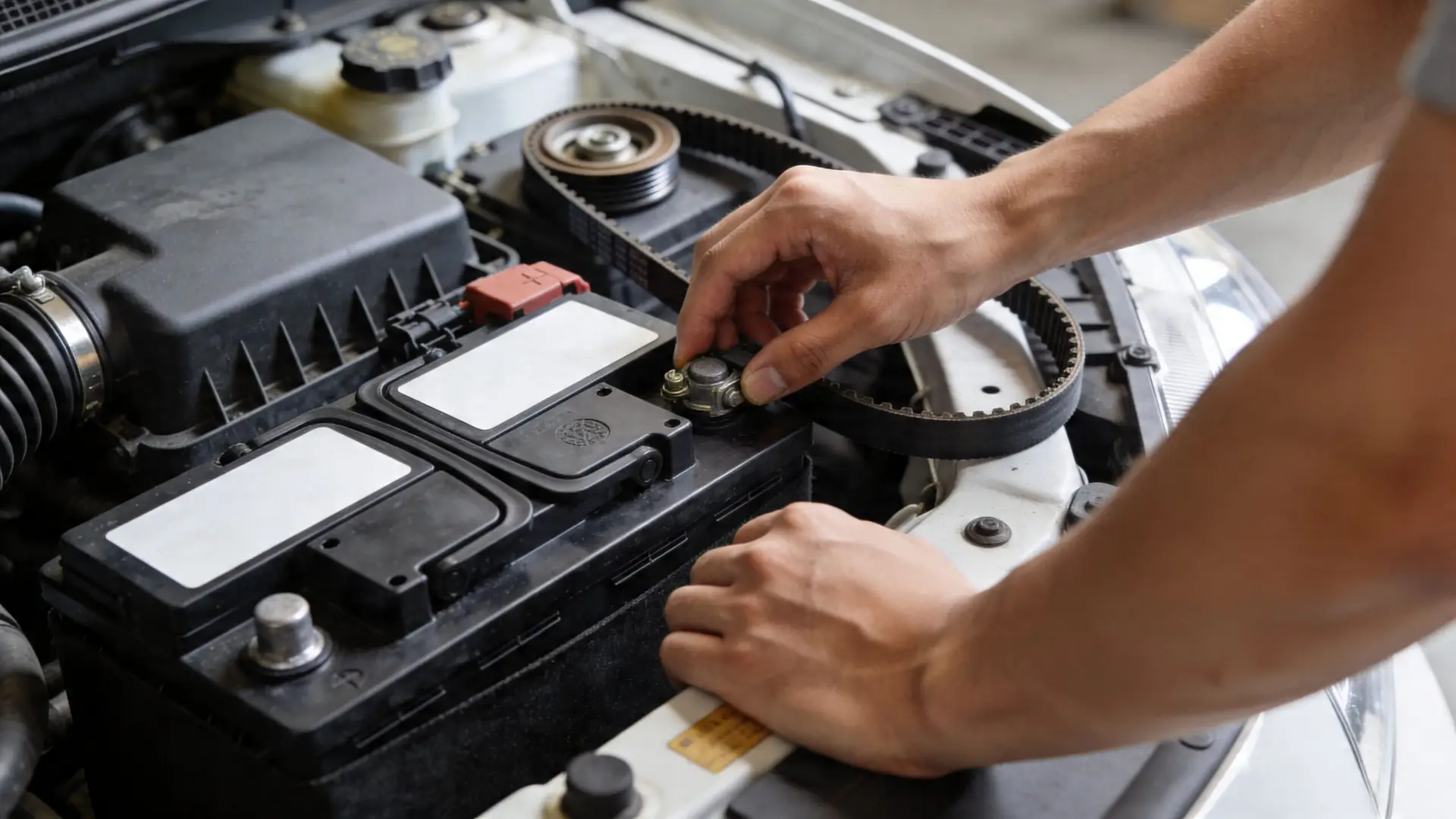
- Serpentine belt condition. If the belt is missing, badly frayed, or obviously loose, don’t keep driving.
- Battery terminal condition. Heavy corrosion or a loose cable can interrupt charging.
- Obvious wiring issues. Look for a disconnected plug near the battery or alternator, or visible damage.
You’re looking for clear failures, not subtle ones. If something looks burnt, broken, hanging loose, or badly corroded, that’s enough reason to stop trying to limp the car along.
How far can you drive on battery power alone
This is the question drivers ask most, and it’s the one many articles dance around. A typical car battery of 50 to 70Ah can power essential systems for about 30 to 60 minutes after the alternator fails, which can translate to roughly 20 to 40 miles under ideal conditions, according to the driving-range guidance in this battery runtime discussion on YouTube. That same source notes that modern vehicles with ADAS can drain the battery faster, which reduces that window significantly.
That estimate is a planning tool, not a promise. Real-world battery reserve depends on the battery’s condition, weather, traffic, nighttime lighting demands, and how many electrical systems are still active.
A simple decision framework
Use this as a practical rule of thumb:
| Situation | Smarter move |
|---|---|
| Belt is broken or missing | Call for a tow |
| Burning smell or obvious electrical issue | Call for a tow |
| Car is losing brightness or running poorly | Stop driving |
| Light came on recently, car feels normal, and a nearby shop is truly close | You may consider a very short drive with accessories off |
| You’re unsure | Choose the tow |
If you have to talk yourself into driving farther, that’s usually your answer.
One thing a jump-start can and can’t do
A jump-start can help if the battery has been drained and the charging system still works. It will not cure a failed alternator. If you’re deciding whether to try one, this guide on how to jump start a car battery explains the process and the safety basics.
The key point is this. A successful jump-start does not prove the problem is solved. If the battery light comes back, the charging system still needs diagnosis.
Professional Diagnostics and Repair in Plano
Once the battery light is on, the goal changes from guessing to confirming what failed and whether the car can still support itself electrically long enough to make a short trip. From the driver’s seat, an alternator problem, a slipping belt, a weak battery, or high resistance in a cable can feel almost identical. The repair only makes sense after testing shows which part is dropping the system voltage.
That matters for cost, but it also matters for safety. I have seen drivers replace a battery because the car still started, only to end up stranded later because the alternator was never charging.
What a shop verifies that a parking lot check cannot
A proper charging system diagnosis goes beyond a quick look under the hood. A technician will usually check:
- Battery state of charge and battery condition
- Charging voltage with the engine running
- System performance under electrical load
- Belt condition, alignment, and tension
- Battery terminals, grounds, and cable condition
- Stored fault codes that point to charging system or module issues
The key is testing the system under real demand, not just reading one voltage number at idle. A car can show acceptable voltage with no accessories on and still fall behind once the headlights, blower motor, rear defroster, and engine controls all need power. That is why a proper diagnosis often includes load testing and scan tool data, especially on newer vehicles with more electronics.
What repairs usually fix the problem
Most repairs fall into a few common categories:
| Repair Service | Estimated Cost Range |
|---|---|
| Alternator replacement | $300-800 |
| Serpentine belt replacement | Varies by vehicle |
| Battery replacement | Varies by vehicle |
| Battery terminal or cable repair | Varies by condition |
Alternator replacement is often the bigger ticket item, but it is not always the answer. A worn belt can keep a good alternator from charging properly. Corroded terminals can create enough resistance to mimic a charging failure. A battery with an internal defect can also confuse the diagnosis if nobody tests the whole system.
Why prompt diagnosis saves money
Charging problems rarely stay contained. Once system voltage drops too far, modules can set fault codes, lights can dim, power steering assist may change on some vehicles, and the engine can stall when the battery reserve is used up. That is why the earlier driving-distance framework matters so much. If the car is running on battery power alone, every extra mile uses up the reserve you may need to get off the road safely.
If you want a clearer picture of what that testing process looks like, this guide to car diagnostics in Plano explains how technicians trace warning lights to the root cause instead of replacing parts by trial and error.
“It still runs” is not a diagnosis.
A good shop confirms charging output, checks belt drive condition, verifies the battery can still carry load, and inspects the wiring path from the alternator to the battery and chassis grounds. That approach helps Plano drivers make the right call fast, whether that means a short, controlled trip to a nearby shop or choosing a tow before the car quits in traffic.
If the battery light comes on while driving, don’t wait for the car to decide for you. Express Lube & Car Care offers no-appointment service, ASE-certified technicians, and charging system diagnostics to help Plano drivers get answers quickly. If the fix turns out to be the battery, they also offer $20 off batteries with the Express Lube Signature battery service, along with the convenience of fast local care when you need it most.