

Car repair without losing time is defined as combining fast diagnostics, targeted DIY maintenance, and efficient professional service to keep your vehicle running without disrupting your schedule. Busy drivers and families lose hours to guesswork, unnecessary shop waits, and repairs that could have been prevented. The right approach uses tools like an OBD-II scanner, a tire pressure gauge, and a trusted service provider like Express Lube & Car Care to cut that wasted time down to almost nothing. This guide gives you a practical system for handling car care on your terms.
What essential tools and quick diagnostic methods help you identify car issues fast?
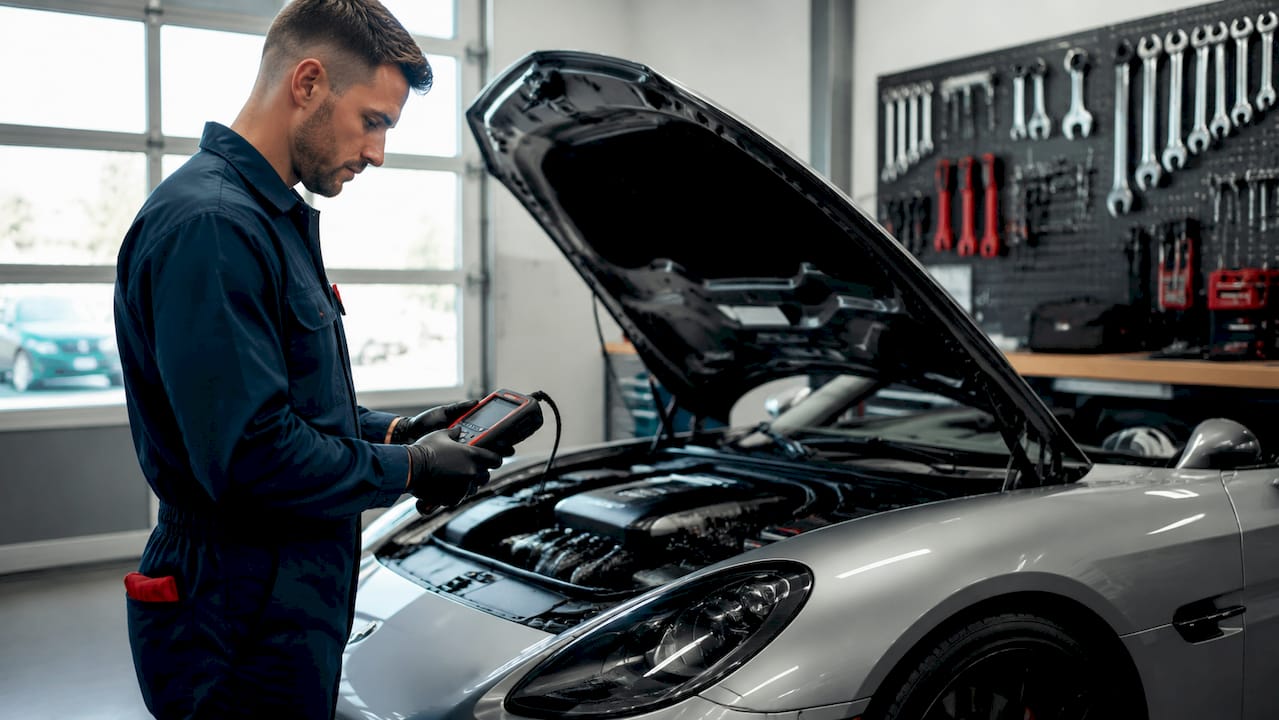
Diagnostic guesswork is the most common cause of time and cost overruns in car repair. When you skip proper diagnosis and start replacing parts based on a hunch, you can spend twice as long and twice as much fixing a problem that a $30 OBD-II scanner would have identified in two minutes. Accurate diagnosis is the single biggest time-saver available to any driver.
Three tools cover the majority of common vehicle issues:
- OBD-II scanner: Reads fault codes from your car’s computer. Free scans are available at many auto parts stores, including AutoZone and O’Reilly Auto Parts. A basic personal scanner costs $25–$80 and pays for itself on the first use.
- Multimeter: Tests battery voltage and electrical connections. A reading below 12.4 volts on a resting battery signals a charging problem before it becomes a breakdown.
- Tire pressure gauge: Checks inflation in under 60 seconds. Underinflated tires reduce fuel economy and accelerate tread wear, both of which cost you time and money.
| Tool | Approximate Cost | Primary Purpose |
|---|---|---|
| OBD-II scanner | $25–$80 | Read engine fault codes |
| Multimeter | $15–$40 | Test battery and electrical circuits |
| Tire pressure gauge | $5–$20 | Verify correct tire inflation |
| Flashlight or work light | $10–$30 | Inspect engine bay and undercarriage |
Quick diagnostic tools like an OBD-II scanner give you immediate clarity on most issues and prevent unnecessary part replacements. That clarity is what separates a 20-minute fix from a three-hour ordeal.
Pro Tip: Write down the fault code before clearing it. Shops can diagnose faster when you arrive with a code number rather than just a warning light description.
Which simple maintenance tasks can busy drivers handle themselves?
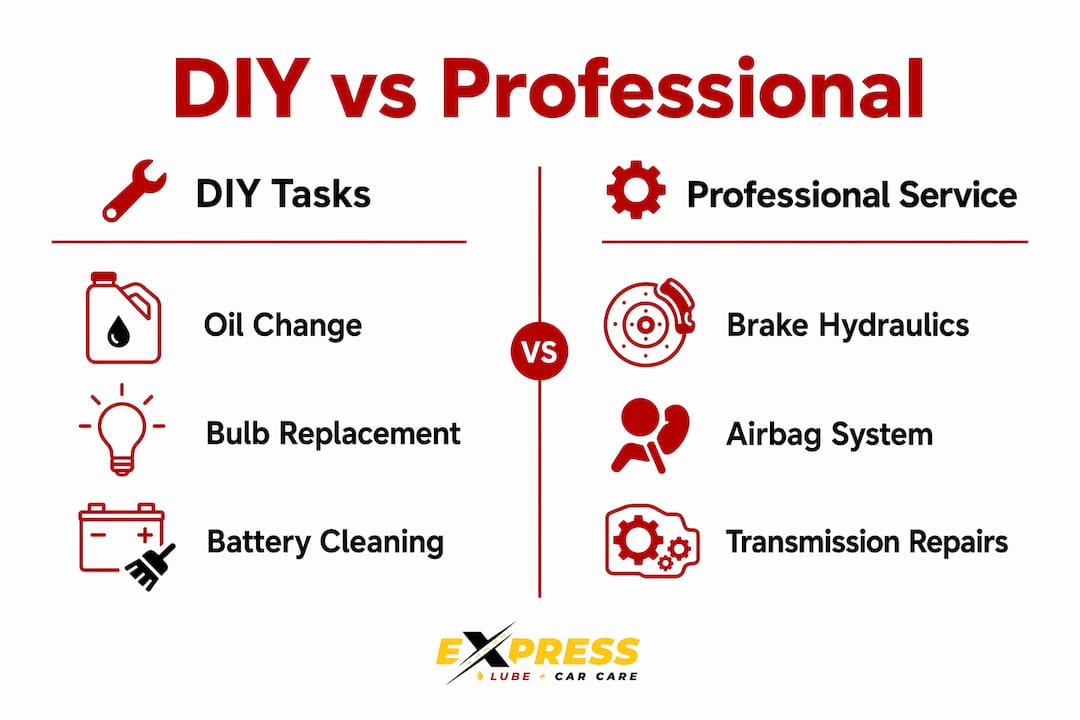
DIY maintenance is effective for routine tasks but is not a substitute for professional diagnosis of safety-critical systems. The key is knowing exactly which tasks belong in your hands and which belong in a certified technician’s. Picking the right jobs saves time. Picking the wrong ones wastes it.
Oil changes
Changing engine oil takes 10–15 minutes with the right supplies and a safe lift method. The steps are straightforward:
- Warm the engine for two minutes, then shut it off.
- Lift the vehicle safely using jack stands, never a floor jack alone.
- Remove the drain plug and let the old oil drain completely.
- Replace the oil filter using a filter wrench.
- Reinstall the drain plug, add fresh oil per your owner’s manual spec, and check for leaks.
Always torque the drain plug to the manufacturer’s specification. Over-tightening strips the threads and turns a 15-minute job into a costly repair.
Bulb replacements
Replacing burned-out bulbs is one of the fastest DIY wins available. Most exterior bulbs require no tools and swap out in under five minutes. Driving with a dead headlight or brake light risks a traffic citation and a safety hazard, both of which cost you more time than the fix.
Battery terminal cleaning
Corroded battery terminals cause starting failures and unexpected downtime, especially in colder months. A paste of baking soda and water, applied with an old toothbrush, removes corrosion in minutes. Clean terminals restore reliable electrical contact and extend battery life.
Pro Tip: Keep a small bag with baking soda, a wire brush, and disposable gloves in your trunk. Battery corrosion never announces itself at a convenient time.
Tire pressure checks
Check tire pressure monthly and before any long trip. Correct inflation is printed on the sticker inside your driver’s door, not on the tire sidewall. This task takes under two minutes and directly affects handling, fuel economy, and tire lifespan.
How do you choose and coordinate with professional auto repair services?
The right professional service cuts repair time dramatically. The wrong one adds hours of waiting, repeat visits, and miscommunication. Knowing what to look for before you hand over your keys is the difference between a fast fix and a full day lost.
Criteria for selecting a quality shop
- ASE certification: Technicians certified by the National Institute for Automotive Service Excellence have demonstrated competency on standardized tests. This credential is the industry’s baseline quality signal.
- No-appointment-needed service: Shops like Express Lube & Car Care eliminate scheduling friction entirely. You drive in when it works for you, not when the shop has an opening.
- Transparent pricing: A reputable shop provides a written estimate before work begins. Verbal estimates lead to billing surprises and wasted time resolving disputes.
- Specialization match: Choose a shop that specializes in the service you need. A brake specialist completes brake work faster and more reliably than a general shop that handles brakes occasionally.
Mobile mechanics and express service options
Mobile mechanics eliminate wait times by coming to your location, whether that is your home, office, or parking lot. For busy customers, this option converts dead waiting-room time into productive hours. Mobile services work best for diagnostics, battery replacements, brake pad swaps, and minor electrical repairs.
| Service type | Typical wait time | Best for |
|---|---|---|
| Traditional shop | 1–4 hours | Complex repairs, major work |
| Express lube center | 15–30 minutes | Oil changes, filters, fluid top-offs |
| Mobile mechanic | Varies by location | Diagnostics, minor repairs at your site |
| Dealership service | 2–6 hours | Warranty work, brand-specific issues |
Scheduling repairs during off-peak times and using mobile or express services reduces downtime significantly compared to traditional shops. Mid-morning on a weekday is consistently faster than a Saturday morning at most service centers.
When to skip DIY entirely: Brake system hydraulics, suspension components, airbag systems, and transmission internals require professional tools and training. Attempting these without the right equipment creates safety risks and often results in a longer, more expensive repair.
What preventive strategies reduce unplanned repair time?
Scheduled preventive maintenance significantly reduces the frequency and severity of emergency repairs. A vehicle that receives consistent care rarely leaves you stranded. The math is simple: a 30-minute maintenance visit prevents a 3-hour breakdown repair.
The most time-protective intervals to follow are:
- Tire rotation every 5,000–7,500 miles: Rotating tires on this schedule prevents uneven wear that leads to blowouts and premature replacement. Pair this with your oil change visits for zero extra trips. See the full guidance on tire rotation schedules to stay on track.
- Battery replacement every 3–5 years: Most batteries fail without warning after this window. Replacing proactively costs far less time than a dead battery in a parking lot. The car battery maintenance tips from Express Lube & Car Care cover timing and testing methods in detail.
- Fluid checks every 3,000–5,000 miles: Engine oil, coolant, brake fluid, and power steering fluid each have a direct impact on component life. Low fluid levels accelerate wear and lead to repairs that could have been avoided entirely.
- Brake inspections every 12,000 miles or annually: Worn brake pads that go unchecked damage rotors. A rotor replacement costs three to four times more than a pad replacement alone.
Building these intervals into your calendar, rather than reacting to warning lights, is the single most effective fast vehicle maintenance habit you can develop. A routine car maintenance checklist gives you a ready-made schedule to follow without having to track intervals manually.
Key Takeaways
Efficient auto repair without losing time requires accurate diagnostics, targeted DIY tasks, smart professional service choices, and consistent preventive maintenance intervals.
| Point | Details |
|---|---|
| Diagnose before you repair | Use an OBD-II scanner to get a fault code before replacing any part. |
| Master the right DIY tasks | Oil changes, bulb swaps, and terminal cleaning are fast, safe, and worth doing yourself. |
| Choose express or mobile service | No-appointment shops and mobile mechanics cut wait time to a fraction of traditional shops. |
| Follow preventive intervals | Rotate tires every 5,000–7,500 miles and replace batteries every 3–5 years to avoid breakdowns. |
| Prepare before every shop visit | Arrive with fault codes, service history, and a written list of symptoms to speed up diagnosis. |
What we’ve learned from years of fast-turnaround service
The biggest time-waster we see at Express Lube & Car Care is not the repair itself. It is the delay before the repair. Customers arrive unsure of what is wrong, without fault codes, and without a service history. That uncertainty adds 20–40 minutes to every visit before a wrench is even picked up.
The drivers who get in and out fastest share one habit: they show up prepared. They know the fault code. They know the last time the oil was changed. They have a written list of what they noticed, when it started, and under what conditions. That preparation turns a diagnostic conversation into a confirmation, and a confirmation into a completed repair.
We have also seen the consequences of mismatched DIY attempts. A customer who replaces brake pads without checking rotor thickness saves $80 on labor and spends $300 on rotors two months later. The time and money math never works out in favor of skipping steps. Mastering the right DIY tasks, and knowing where to stop, is what separates efficient car care from expensive mistakes.
The honest truth about mobile and express repair options is that they have changed what busy customers should expect from car care. Waiting three hours at a traditional shop is no longer the only option. If your service provider cannot tell you how long a job will take before it starts, find one who can.
— Express Lube & Car Care
Fast, reliable car care at Express Lube & Car Care Plano
Express Lube & Car Care serves busy drivers and families who need quality service without the wait. No appointment is needed. Certified technicians handle oil changes, brake repairs, and engine diagnostics with a focus on getting you back on the road fast.
Check the current oil change and service specials to see what is available for your vehicle. If your brakes need attention, the brake repair service in Plano is handled by ASE-certified technicians who specialize in pad, rotor, and ABS work. Express Lube & Car Care also offers discounts for military personnel and healthcare providers, reflecting a genuine commitment to the community it serves.
FAQ
What is the fastest way to diagnose a car problem?
Use an OBD-II scanner to read fault codes directly from your car’s computer. Many auto parts stores offer free scans, and a personal scanner costs $25–$80.
Which car maintenance tasks save the most time when done at home?
Oil changes, bulb replacements, and battery terminal cleaning are the fastest and safest DIY tasks. Each takes under 20 minutes and prevents more time-consuming problems later.
How do I avoid long wait times at a repair shop?
Choose a no-appointment-needed express service center or book a mobile mechanic. Arriving during off-peak mid-morning hours on weekdays also reduces wait times significantly.
How often should I rotate my tires to prevent breakdowns?
Tire rotation every 5,000–7,500 miles prevents uneven wear and reduces the risk of blowouts. Pairing rotation with oil changes keeps both intervals on the same schedule.
When should I stop doing DIY repairs and call a professional?
Stop DIY work when the repair involves brake hydraulics, suspension components, airbag systems, or transmission internals. These systems require specialized tools and ASE-certified expertise to be done safely.