

You walk out to your car in Plano, see a green, orange, or pink puddle under the front end, and your stomach drops. Or maybe you catch a sweet smell at a stoplight, see light steam from the hood, or notice the temperature gauge creeping up on the way home from work.
If coolant is leaking, treat it as a real warning, not a small inconvenience. Coolant keeps engine temperature under control, protects internal parts, and helps the heater work properly. When the system loses coolant, the engine can overheat fast, especially in North Texas heat.
Coolant is Leaking? First Steps for Immediate Safety
The first minute matters most. Panic leads people to do the one thing they should never do, which is open a hot radiator cap.
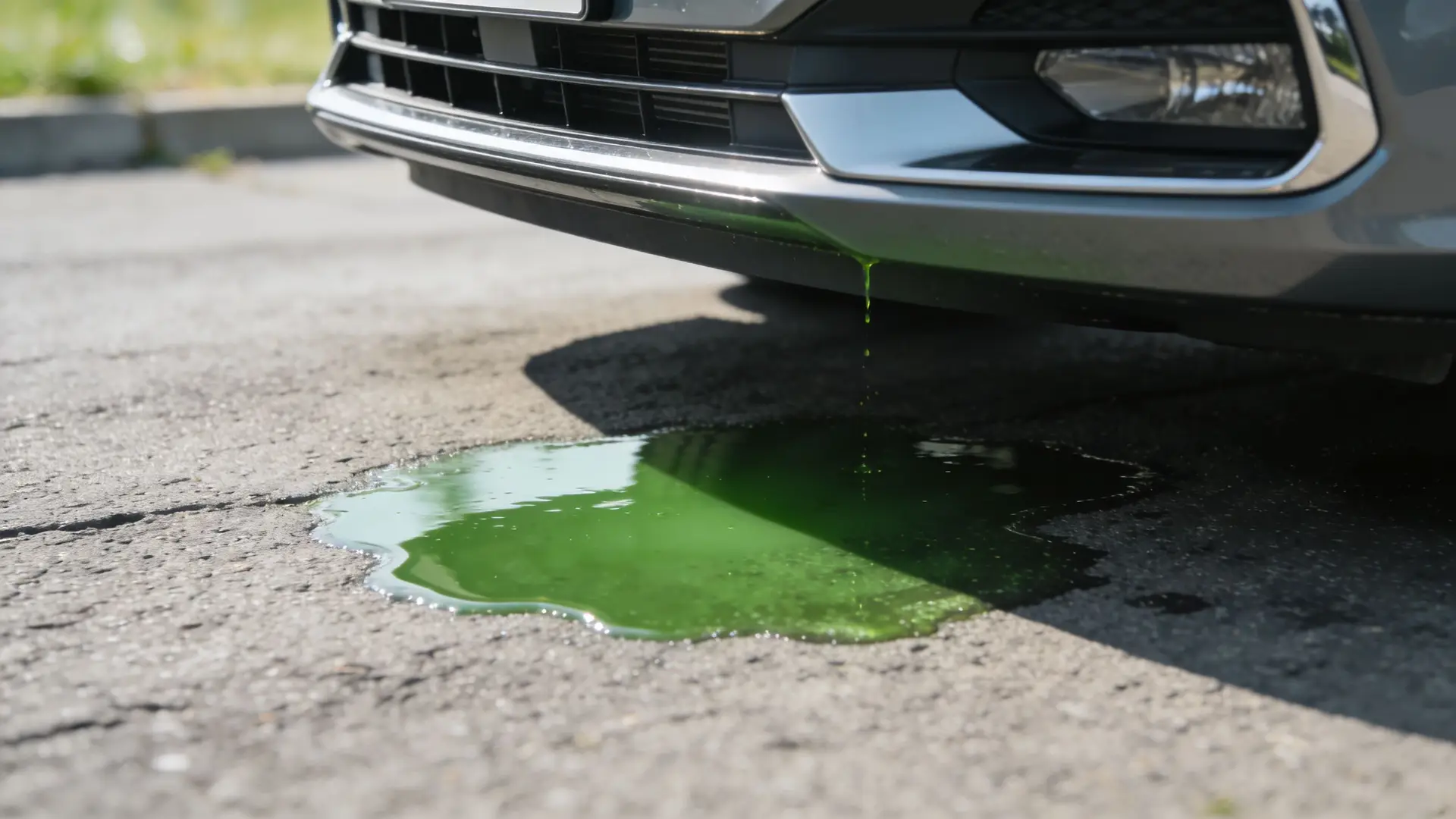
Pull over and shut it down
If you notice a puddle, steam, a sweet smell, or a rising temp gauge, do this in order:
- Get out of traffic safely. Move to a shoulder, parking lot, or side street.
- Turn the engine off. Don't let it idle while you think about what to do next.
- Leave the hood closed for a moment if steam is heavy. Give the system time to settle.
- Do not remove the radiator cap. Hot coolant is under pressure and can cause serious burns.
- Check the dash. If the temperature gauge is in the red or a warning light is on, assume the leak is serious.
Overheating is one of the biggest reasons vehicles end up disabled on the roadside. According to AAA's signs of a coolant leak guidance, engine overheating accounts for approximately 40 to 50% of roadside breakdowns, and over 1.2 million drivers were stranded annually, with 35% of those incidents directly linked to coolant loss from parts like radiators and hoses.
What you're trying to figure out in the first 60 seconds
You are not diagnosing the whole problem yet. You're sorting it into one of three categories:
- Minor sign, no overheating. Small puddle, normal gauge, no steam.
- Active leak. Dripping or running fluid under the car.
- Overheating event. Steam, warning light, or gauge climbing high.
Practical rule: If you see steam or the gauge is high, stop thinking about convenience. Start thinking about engine protection.
A coolant leak can also show up before the puddle does. If you've noticed weak cabin heat, repeated low coolant, or a smell after parking, those are early clues. This guide on signs of low coolant in a car is useful if you're trying to connect those symptoms.
What not to do
A few mistakes turn a manageable repair into a much bigger one:
- Don't keep driving “just a few more miles.” A small leak can become a major loss under pressure.
- Don't pour cold water into a hot engine. Let the engine cool first.
- Don't assume the puddle is harmless condensation. A/C water is clear. Coolant usually has color and a slick feel.
If the engine is already hot, your safest move is simple. Let it cool completely before touching anything.
Finding the Source of the Coolant Leak
Once the engine is fully cool, you can inspect the system without guessing. You don't need a full shop setup for the first look. A flashlight, gloves, paper towels, and a clean parking surface help a lot.
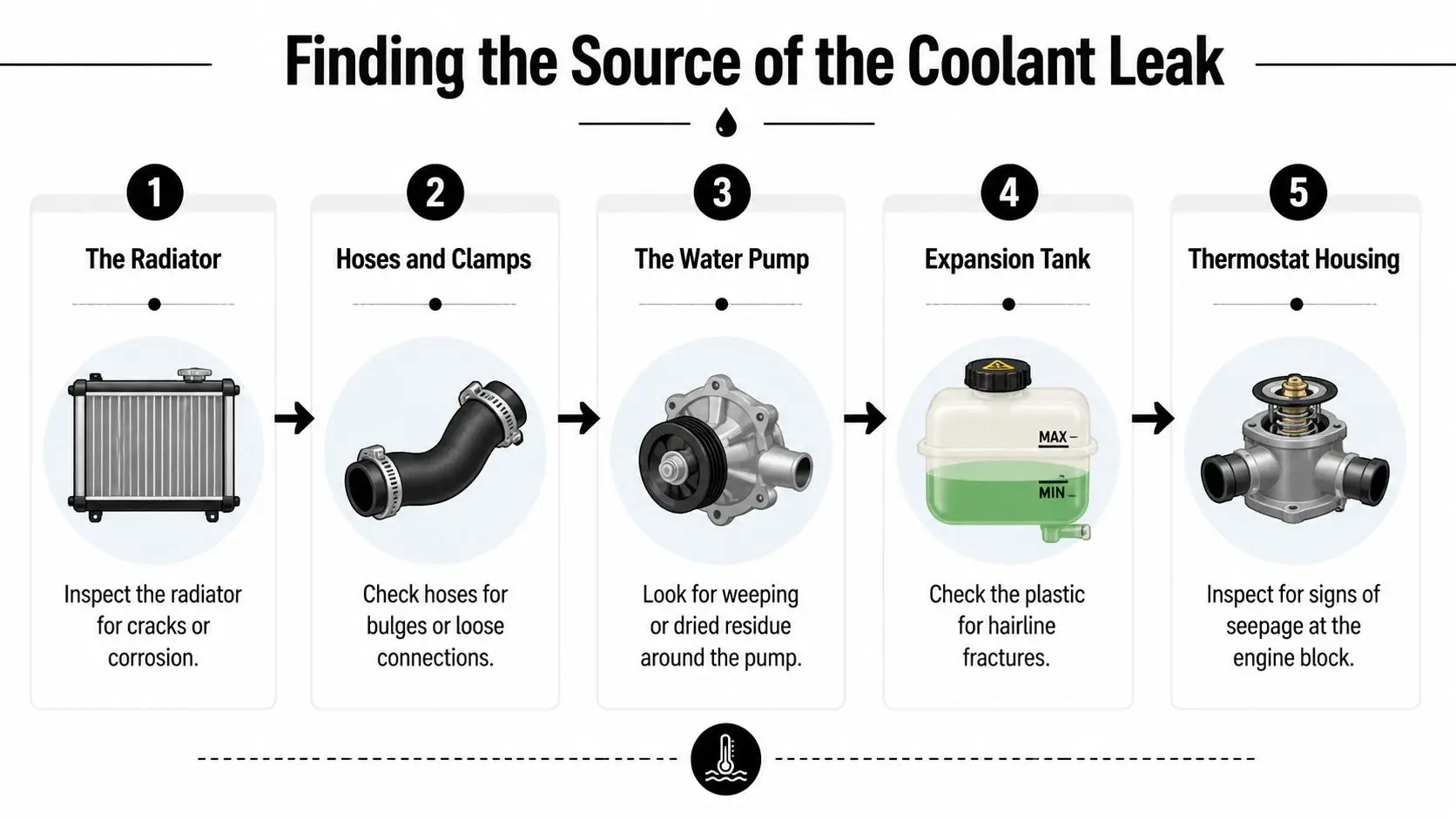
Start with the easy spots
Many leaks originate from components you can see. According to this coolant loss diagnostic reference, approximately 70% of external coolant leaks come from simpler items such as a faulty radiator cap or deteriorated hoses. The same reference notes the cap can fail to hold pressure in 30% of cases, and hoses carry a 40% failure risk after five years of use.
Check these areas first:
- Coolant reservoir. Look for hairline cracks in the plastic tank, especially near seams and mounting points.
- Radiator cap area. Dried residue around the cap neck can mean pressure is escaping.
- Upper and lower radiator hoses. Feel for soft spots, cracks, swelling, or dampness near the clamps.
- Radiator seams. Plastic end tanks and aluminum core joints are common seep points.
- Thermostat housing. This area often leaves a wet trail or chalky residue if it's seeping.
Coolant usually leaves a colored stain or crusty trail after it dries. Water from the A/C does not. Condensation is clear, thin, and usually drips near the passenger side under the firewall area.
Look lower than the leak
Coolant rarely drips straight down from the source. Airflow and gravity move it.
Here's what I tell drivers all the time: the puddle on the ground is only the ending point. The leak may be higher up on the engine, under a hose, or thrown backward by the fan while driving.
Follow the dried trail upward. The highest wet point is often closer to the real source than the puddle under the car.
The five places to inspect closely
Hoses and clamps
Rubber hoses age from heat and pressure. In Plano summers, they get cooked. Look for split ends near clamps, shiny spray marks, and white or colored deposits.
Water pump
Many pumps leak from the weep hole before they fail completely. If you see residue around the pump body or pulley area, don't ignore it.
Expansion tank
Plastic tanks crack with age. Some only leak when hot and pressurized, then look dry once the engine cools.
Heater hoses and firewall area
Two hoses usually run into the firewall for the heater core. If that area is damp, the leak may be from a hose connection or a heater-related component.
Position-dependent leaks
Some leaks only show up when the vehicle is parked at a certain angle. I've seen cars that appear dry on flat ground but leave coolant when parked nose-down on a driveway. That can happen when coolant shifts and reaches a crack, seam, or weak seal.
If you're also sorting out fluid type questions while checking the system, this quick explanation of the difference between antifreeze and coolant clears up a common source of confusion.
The Truth About Temporary Leak Fixes
Stop-leak products exist for a reason. In a true emergency, they can sometimes buy a little time.
That doesn't make them a good repair.
When people reach for a bottle
Most drivers try a sealant for one of three reasons. The leak starts at a bad time, the car still runs, or the bottle on the shelf promises a fast answer. I understand the temptation.
The problem is that cooling systems have narrow passages. Radiators, heater cores, and thermostats don't tolerate debris well. A product meant to plug one small leak can also restrict flow where you need clean circulation.
What works and what usually backfires
A temporary additive may help only if you are dealing with a very small seep and your only goal is getting the vehicle a short distance to a proper repair. Even then, it's a gamble.
What I don't recommend is using stop-leak as a maintenance plan. It can hide the source, contaminate the system, and complicate later diagnosis. Shops then have to sort out two issues instead of one, the original leak and the material added to mask it.
- Best use case: A limited emergency, not long-term driving.
- Common downside: Restricted flow through the radiator or heater core.
- Bigger problem: It can delay the repair until the engine overheats.
If a bottle fix “works,” that only means the car bought time. It doesn't mean the cooling system is healthy.
A proper repair means finding the failed part, replacing it, and refilling the system correctly. That is what protects the engine. The cheap shortcut usually gets expensive later.
Making the Drive-or-Tow Decision
You notice coolant on the ground, the Plano heat is already working the engine hard, and now you have to decide whether to move the car or stop right there.
That decision needs to happen fast, and it needs to be based on risk, not hope.

When the answer is tow it
Choose a tow if any of these are happening:
- The temperature gauge is above normal
- Steam is coming from under the hood
- Coolant is running out quickly, not leaving a small drip
- You hear bubbling or boiling at the reservoir
- The leak started suddenly after the engine got hot
At that point, the cooling system is no longer controlling temperature well enough to trust the engine. Overheating can damage head gaskets, warp cylinder heads, and turn a leak repair into major engine work. ConsumerAffairs' overview of head gasket repair costs gives a good picture of how expensive that can get.
A tow charge is cheaper than an engine.
When a very short drive may be reasonable
There are limited cases where a short drive to a nearby shop can make sense. I mean a real short drive, not an errand, not a commute, and not a run across town.
Consider that option only if all of the following are true:
- The engine has not overheated
- The gauge is steady at normal
- The leak is slow
- You can confirm the coolant level and use the correct coolant
- The shop is close enough that you are not sitting in long traffic
Even then, treat it like a one-time move to get the car repaired. If you have questions about the condition of the coolant itself, this guide on what a coolant flush does and when it helps explains where maintenance ends and leak repair begins.
What to watch during that short drive
If you do drive it, keep the heater off your mental checklist and keep your eyes on the gauge. A sudden change in cabin heat, a sweet smell, or a gauge climbing even a little can mean the system is losing coolant faster than it first appeared.
Pull over and shut it off immediately if:
- The gauge starts rising
- Steam appears
- You lose heat from the vents suddenly
- A warning light comes on
- You smell strong coolant inside or outside the car
Do not restart it just to see if it settles down.
The practical rule I give Plano drivers
If the car already overheated once, call for the tow. Texas heat, long lights, and slow traffic remove your margin for error fast. A leak that seems manageable in the driveway can become a no-start or an overheat within minutes on the road.
This short video helps show how drivers and techs think through coolant leak severity before moving a vehicle.
A normal gauge and a minor seep may allow a short trip to a shop. A hot gauge, steam, or fast coolant loss means stop and tow.
What to Expect at the Repair Shop
A good shop won't start by guessing. It starts by testing.
The first test most shops use
The standard diagnostic for an external coolant leak is a cooling system pressure test. According to this radiator leak diagnostic guide, that test has an 85 to 95% success rate in locating external leaks. The technician pressurizes the cooling system to the manufacturer's specified range, typically 13 to 16 PSI, then watches for pressure loss over 10 to 15 minutes while inspecting for drips and seepage.
That matters because many leaks don't show up well with the engine off and no pressure in the system. A pressure tester can make a tiny leak reveal itself without the engine running hot.
If the leak isn't obvious
Intermittent leaks are common. A system may leak only when hot, only after sitting overnight, or only under certain parking angles. In those cases, a shop may use UV dye, inspect dried residue patterns, and check related components like the cap, reservoir, and heater hose connections.
They may also check whether the coolant level problem is a true leak or a fill issue. Air pockets, improper topping off, or an overfilled reservoir can confuse the picture.
Shop insight: The best diagnosis usually comes from combining pressure testing with a careful visual inspection, not from replacing parts based on suspicion.
Common repair outcomes
Here's a practical look at the types of repairs drivers commonly hear after inspection.
| Repair | Common Symptoms | Estimated Cost Range |
|---|---|---|
| Radiator cap replacement | Coolant smell, minor overflow, loss of pressure | Varies by vehicle |
| Hose or clamp replacement | Visible drip, wet hose ends, residue near connections | Varies by vehicle |
| Expansion tank replacement | Cracked plastic tank, leak near reservoir seam | Varies by vehicle |
| Thermostat housing repair | Seepage near engine outlet, recurring low coolant | Varies by vehicle |
| Radiator replacement | Leak at seams or core, front-of-car puddles | Varies by vehicle |
| Water pump replacement | Leak near pump area, residue at weep hole, noise in some cases | Varies by vehicle |
| Heater hose or fitting repair | Damp firewall area, coolant smell, cabin heat issues | Varies by vehicle |
| Internal engine repair | No visible external leak, overheating, combustion-related symptoms | Varies widely by vehicle and damage level |
Once the leak is repaired, the system may also need a proper refill and bleed procedure. If you want a clearer picture of why that matters, this overview of what a coolant flush does helps explain the maintenance side.
How to Prevent Future Coolant Leaks
A lot of coolant leaks are preventable. The pattern is usually simple. Parts age, heat works on rubber and plastic, and coolant that stays in service too long stops protecting the system as well as it should.
That matters in Plano. Long summer heat cycles are hard on hoses, plastic end tanks, reservoir seams, and water pump seals.
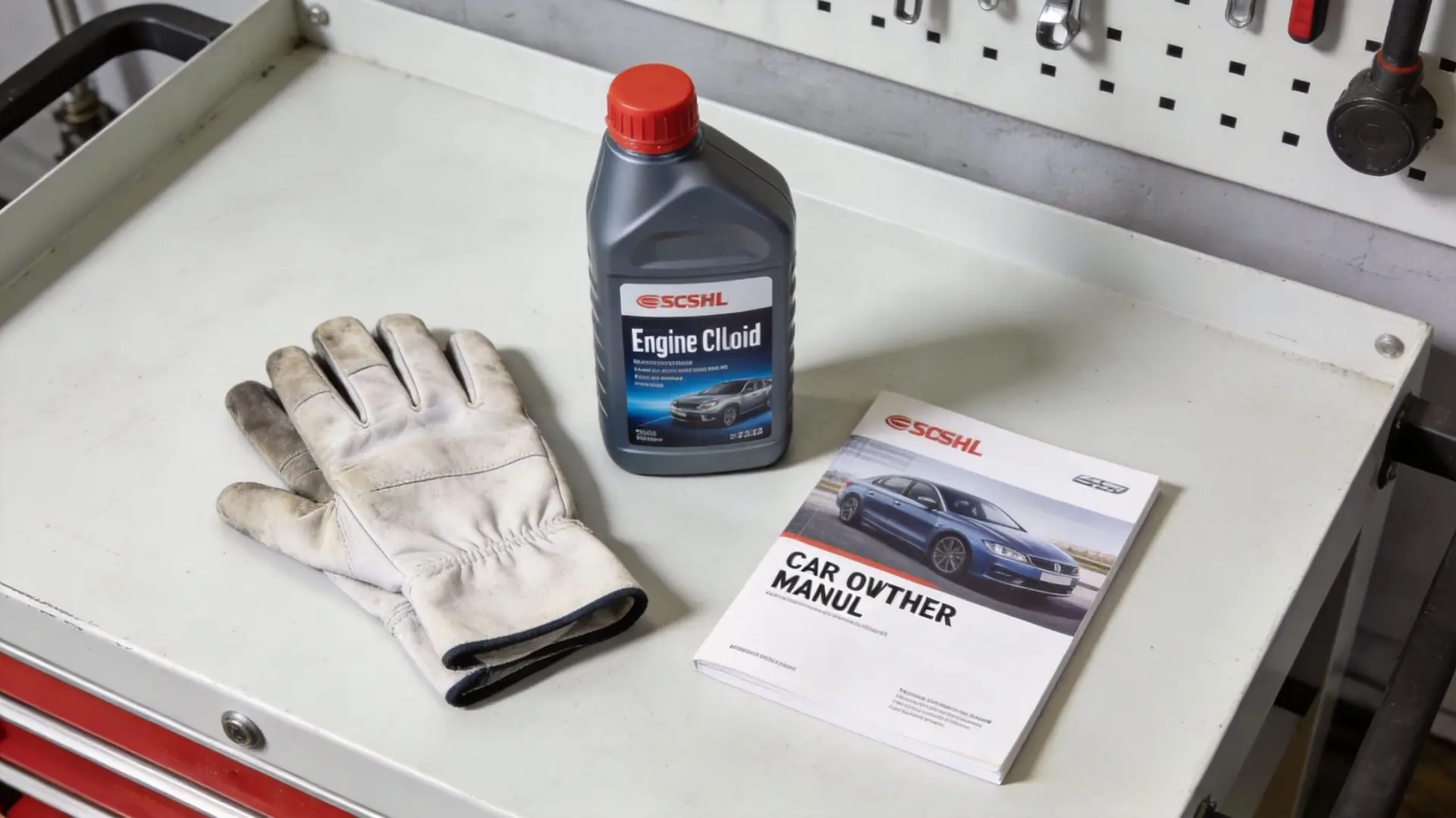
A simple routine that catches problems early
A quick check once or twice a month is usually enough for a daily driver. Do it with the engine fully cold.
- Check the coolant level at the reservoir. A low level by itself does not confirm a leak, but a level that keeps dropping needs attention.
- Look for fresh spots where you park. New drips, pink or green stains, or a sweet smell after a drive are early warnings.
- Inspect hoses and connections during oil service. Look for swelling, cracks, wet ends, white or colored crust, and loose clamps.
- Check the radiator cap and reservoir cap seal. A weak cap can let pressure escape and create boil-over or slow coolant loss.
- Use the exact coolant your vehicle calls for. Color is not a reliable guide. The wrong chemistry can shorten the life of seals, gaskets, and metal components.
- Stay on schedule for coolant service. Fresh coolant does more than control temperature. It also helps prevent corrosion inside the radiator, heater core, and engine passages.
Why hot weather makes small problems show up faster
Heat does not create every leak, but it exposes weak parts sooner. Under-hood temperatures rise, pressure cycles get harsher, and older plastic gets brittle. That is why a hose or tank that seemed fine in spring can start seeping during a Plano summer.
The Car Care Council's advice on checking hoses and belts lines up with what technicians see in hot climates. Rubber parts harden, crack, and weaken with age and heat. Cooling system hoses often show warning signs before they split, if someone looks for them.
Habits that save trouble
Good prevention is mostly about catching trends early.
Use the owner's manual, not coolant color
Manufacturers use different formulas for different metals, seal materials, and service intervals. Matching by color alone is a mistake I see too often.
Pay attention to small level changes
One low reservoir reading after months of driving is not always a crisis. Repeated top-offs are different. A sealed system should not keep asking for coolant.
Check after hard-use days
After long idling, heavy traffic, or a hot highway run, take a look once the engine cools. Those are the conditions that often reveal a weak cap, a tired hose, or a reservoir seam starting to fail.
Fix seepage before it becomes overheating
A small leak is usually cheaper and simpler to handle than an overheated engine. Once temperature spikes, the repair can shift from a hose or tank into thermostat, radiator, or head gasket territory.
If you're dealing with a coolant leak in Plano and want a fast, accurate answer without the hassle of scheduling days out, Express Lube & Car Care can help. Their ASE-certified team handles cooling system diagnostics, pressure testing, radiator and hose repairs, and complete car care in one stop, with no appointment needed for many services.