

Preventive vehicle maintenance services are scheduled, proactive tasks designed to keep your car safe, reliable, and efficient by addressing wear and tear before serious problems occur. The industry term for this practice is “scheduled preventive maintenance,” and it covers everything from oil changes to multi-point inspections. Following ASE-certified service standards and manufacturer-recommended intervals protects your engine, brakes, tires, and electrical systems. A well-maintained vehicle delivers better fuel economy, stronger resale value, and fewer roadside failures. The average vehicle on U.S. roads is 12.8 years old as of 2026, making consistent preventive care more critical than ever.
1. Types of preventive vehicle maintenance services: oil changes and fluid inspections
Oil changes are the foundation of any preventive car maintenance program. Fresh engine oil lubricates moving parts, reduces heat, and carries away contaminants. Without it, friction builds rapidly and engine damage follows.
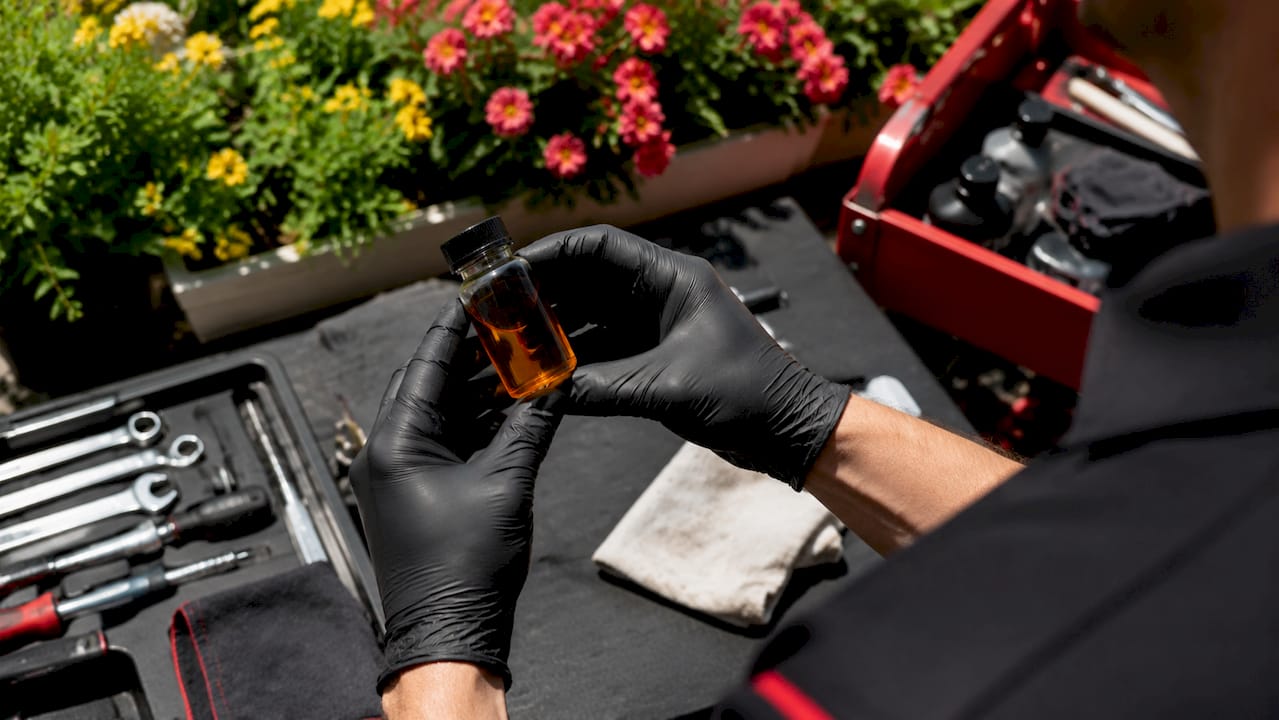
The traditional “every 3,000 miles” rule is outdated. Modern synthetic oil allows intervals of 7,500–10,000 miles for most vehicles. Always confirm your interval through your owner’s manual or OEM specifications to avoid unnecessary service costs.
Fluid inspections go hand in hand with oil changes. A complete fluid check covers:
- Brake fluid: Absorbs moisture over time and degrades regardless of mileage
- Engine coolant: Prevents overheating and corrosion inside the cooling system
- Transmission fluid: Keeps gear shifts smooth and prevents internal clutch wear
- Power steering fluid: Maintains hydraulic pressure for responsive steering
The first-to-occur principle is the governing rule here. Service at whichever comes first: the mileage threshold or the time interval. Brake fluid, for example, must be replaced on a calendar schedule because it absorbs moisture chemically over time, even in a low-mileage vehicle.
Pro Tip: Check your oil level and color monthly between service visits. Dark, gritty oil before your next scheduled interval is a signal to bring your service date forward.
2. Tire rotation, pressure, alignment, and replacement
Tire care is one of the most cost-effective examples of fleet and personal preventive maintenance services. Tires are your vehicle’s only contact with the road, and their condition directly affects braking distance, handling, and fuel economy.
- Tire rotation moves tires between positions to equalize wear. The recommended interval is every 5,000–7,500 miles, often aligned with oil changes for convenience.
- Tire pressure checks should happen monthly. Underinflated tires increase rolling resistance, reduce fuel economy, and accelerate shoulder wear. Overinflated tires reduce traction and increase the risk of a blowout.
- Wheel alignment corrects the angle of your tires relative to the road. Misalignment causes uneven wear patterns and pulls the vehicle to one side. Check alignment annually or after any significant impact, such as hitting a curb or pothole.
- Tire replacement becomes necessary when tread depth reaches 2/32 of an inch. A simple way to check: insert a penny into the tread groove with Lincoln’s head facing down. If you see the top of his head, the tire needs replacement.
A car maintenance schedule by mileage helps you track tire rotation alongside other services, preventing the common mistake of skipping rotations until uneven wear is already visible.
3. Brake system maintenance and inspection schedules
Brake maintenance is the most safety-critical category in any preventive maintenance checklist. A failing brake system does not always announce itself loudly. Gradual pad wear, contaminated fluid, and scored rotors can all reduce stopping power before a driver notices.
Brake pad replacement intervals typically fall between 30,000–50,000 miles, though driving style and terrain affect this significantly. City driving with frequent stops wears pads faster than highway commuting. Inspect pad thickness at every tire rotation.
Key brake system checks include:
- Brake pad thickness: Replace pads before they reach the wear indicator, which produces a high-pitched squeal
- Brake fluid condition: Contaminated or moisture-saturated fluid lowers the boiling point and reduces hydraulic pressure
- Rotor surface: Grooved or warped rotors reduce pad contact and extend stopping distances
- Brake lines and hoses: Inspect for cracks, leaks, or swelling that could cause sudden pressure loss
Pro Tip: If your brake pedal feels soft or spongy, schedule a brake fluid inspection immediately. That sensation is a direct sign of moisture contamination or air in the hydraulic line.
4. Air filter, battery, belts, and other key component maintenance
Engine reliability depends on several components that drivers rarely think about until they fail. These parts follow predictable wear cycles, making them ideal candidates for scheduled preventive replacement.
The engine air filter prevents dust, pollen, and debris from entering the combustion chamber. A clogged filter restricts airflow, reduces engine efficiency, and increases emissions. Replacement intervals vary by environment but typically fall between 15,000–30,000 miles. Dusty or rural driving conditions shorten that window considerably.
Vehicle batteries typically last 3–5 years. Battery failure is one of the leading causes of roadside breakdowns, yet a simple load test during routine service can predict failure weeks before it happens. Heat accelerates battery degradation, making annual testing especially important in hot climates.
| Component | Typical Service Interval | Primary Risk if Neglected |
|---|---|---|
| Engine air filter | 15,000–30,000 miles | Reduced power, higher emissions |
| Battery | Test annually; replace every 3–5 years | Unexpected no-start failure |
| Timing belt | 60,000–100,000 miles | Engine damage if belt snaps |
| Serpentine belt | 60,000–100,000 miles | Loss of alternator, AC, power steering |
| Spark plugs | 30,000–100,000 miles (varies by type) | Misfires, poor fuel economy |
Timing belts carry the highest consequence for neglect. Replacement between 60,000–100,000 miles is standard. A snapped timing belt causes catastrophic engine damage in most vehicles, turning a $500 belt replacement into a multi-thousand-dollar engine repair.
5. Comprehensive vehicle inspections and specialized preventive services
A multi-point inspection ties all vehicle servicing types together into one systematic review. Certified technicians examine suspension components, exhaust integrity, driveline joints, steering linkage, and electronic systems. The goal is to catch developing problems before they become failures.
Specialized preventive services extend beyond the basics:
- Transmission fluid change: Protects internal clutch packs and bearings; intervals vary by vehicle type and fluid specification
- Coolant flush: Removes acidic, degraded coolant that corrodes aluminum components inside the engine and radiator
- Emission component checks: Oxygen sensors and catalytic converters are common failure points; neglected oxygen sensors reduce fuel economy by up to 40% and can destroy the catalytic converter over time
Driving conditions determine how frequently these services are needed. Severe driving conditions include frequent short trips under five miles, extreme temperatures, heavy towing, and stop-and-go traffic. Under these conditions, manufacturers often recommend halving standard service intervals. Commuters and fleet operators should review their schedules against these criteria regularly.
The best practices for car maintenance consistently point to multi-point inspections as the single most effective tool for reducing unexpected breakdowns. When every system is reviewed together, technicians can identify patterns of wear that individual service visits might miss.
Key takeaways
Consistent preventive maintenance is the most cost-effective strategy for protecting your vehicle’s safety, performance, and long-term value.
| Point | Details |
|---|---|
| Follow the first-to-occur rule | Service at whichever comes first: mileage or time interval, especially for fluids. |
| Modern oil intervals are longer | Most vehicles using synthetic oil need changes every 7,500–10,000 miles, not 3,000. |
| Brake pads wear predictably | Inspect pads at every tire rotation and replace before the 30,000–50,000 mile threshold. |
| Severe conditions demand shorter intervals | Short trips, extreme heat, and towing can cut recommended service intervals in half. |
| Small components cause big failures | Neglecting oxygen sensors, belts, and filters leads to expensive multi-part repairs. |
What consistent maintenance has taught us at Express Lube & Car Care
The most common mistake we see is not skipping major services. It is skipping the small ones. Drivers will bring in a vehicle for an oil change every year but never ask about the cabin air filter, the battery load test, or the brake fluid condition. Those overlooked items are exactly where expensive surprises come from.
There is also a persistent belief that if a car drives fine, nothing needs attention. That logic does not hold up. Hidden vehicle issues silently degrade performance and fuel efficiency long before a driver notices any change in how the car feels. A failing oxygen sensor, for example, will not make your car stall. It will just quietly cost you money at the pump and eventually destroy your catalytic converter.
Building a relationship with a dependable auto service provider matters more than most drivers realize. A shop that tracks your service history can spot patterns: a vehicle that consistently burns through brake pads faster than average, or one that needs coolant topped off every few months. That kind of longitudinal knowledge is what separates reactive repair from genuine preventive care.
Pay attention to dashboard warning lights the moment they appear. Waiting to see if a light “goes away on its own” is one of the most expensive habits a driver can develop.
— Express Lube & Car Care
Preventive maintenance services at Express Lube & Car Care
Express Lube & Car Care performs all major types of preventive maintenance services, from oil changes and fluid inspections to brake system repairs and full engine diagnostics. No appointment is needed, so you can bring your vehicle in when it fits your schedule, not ours.
Certified technicians handle every service with the same attention to detail, whether it is a routine filter swap or a multi-point inspection. Express Lube & Car Care also offers special discounts for military personnel and healthcare providers as a direct thank-you to the community. Protecting your vehicle does not have to be complicated or time-consuming. Consistent, professional service is the simplest investment you can make in your car’s long-term reliability.
FAQ
What is preventive vehicle maintenance?
Preventive vehicle maintenance is a scheduled program of inspections and services designed to prevent breakdowns before they occur. It covers oil changes, fluid checks, tire care, brake inspections, and component replacements based on mileage and time intervals.
How often should I get a preventive maintenance check?
Most vehicles benefit from a basic inspection at every oil change, which for modern synthetic oil means every 7,500–10,000 miles. A full multi-point inspection is recommended at least once per year.
What are examples of fleet preventive maintenance services?
Fleet preventive maintenance services include scheduled oil changes, tire rotations, brake inspections, battery load tests, and transmission fluid changes performed at fixed mileage or time intervals across all vehicles in a fleet.
Does severe driving affect my maintenance schedule?
Severe driving conditions, including frequent short trips, extreme temperatures, and heavy towing, can cut standard service intervals in half. Drivers in these situations should follow the severe-duty schedule in their owner’s manual.
Why do brake pads wear out at different rates?
Brake pad lifespan depends on driving style, vehicle weight, and terrain. City driving with frequent hard stops wears pads significantly faster than steady highway driving, which is why inspection at every tire rotation is the most reliable approach.