

If you own a European car, the short answer is this: change oil and filter approximately every 10,000 to 15,000 miles or annually, flush brake fluid every couple of years, and stick to manufacturer-specific intervals for DSG, ZF automatics, and Haldex AWD systems rather than trusting a dashboard light alone. Condition-based systems like BMW’s CBS and Mercedes A/B service alerts calculate a maximum interval, not a guaranteed safe one, and skipping the time-based triggers is how expensive repairs start. Before anything else, here is what to check or book this week:
- Oil and filter — confirm OEM spec and cadence (10,000 to 15,000 miles or annually).
- Brake fluid — flush regularly every couple of years regardless of mileage; old fluid corrodes ABS components.
- Transmission service — DSG, ZF automatic, or Haldex fluid changes at their specified intervals rather than relying on “lifetime” claims.
Express Lube & Car Care handles all three with ASE-certified technicians and documents every finding with a digital inspection, so you have a paper trail if a warranty question ever comes up.
Key Takeaways
Following a mileage- and time-based European car service interval checklist, rather than relying on dashboard alerts alone, prevents the transmission, brake, and cooling failures that cost the most to repair.
| Point | Details |
|---|---|
| Oil and filter cadence | Change every 10,000 to 15,000 miles or 12 months, using the correct OEM oil approval code. |
| Brake fluid is time-based | Flush every 2 years regardless of mileage to prevent moisture-related ABS corrosion. |
| Transmission fluid isn’t optional | Service DSG, ZF, and Haldex systems on their own schedules, ignoring any “lifetime fluid” marketing claims. |
| Documentation protects you | Insist on digital inspection photos and service resets at every visit for resale and warranty purposes. |
| Express Lube & Car Care | Offers ASE-certified technicians, digital inspections, no-appointment service, and a 24-month/24,000-mile warranty. |
Where This Checklist Comes From
- Factory-scheduled maintenance guidance for minor, intermediate, and major service definitions.
- Express Lube & Car Care’s own mileage-based maintenance schedule guide for local scheduling reference.
Table of Contents
- Mileage And Time Map For European Vehicle Maintenance
- The Detailed European Car Care Checklist, Item By Item
- What Makes European Vehicle Maintenance Different
- When To Trust A Professional Vs. Handle It Yourself
- Keep Your European Car On Schedule With Express Lube & Car Care
- Sources
- FAQ
Mileage And Time Map For European Vehicle Maintenance
Most European vehicle maintenance checklists break into three tiers, and understanding where your car sits on that timeline saves you from either over-servicing or, worse, ignoring something critical. Think of it as three checkpoints rather than one long list.
Minor service (10,000 to 15,000 miles / 12 months): oil and filter change, brake inspection, fluid level checks, tire rotation, and a general vehicle check. This is the baseline European car maintenance schedule almost every manufacturer builds around, and short-trip city driving accelerates the need for it because oil never reaches full operating temperature long enough to burn off condensation.
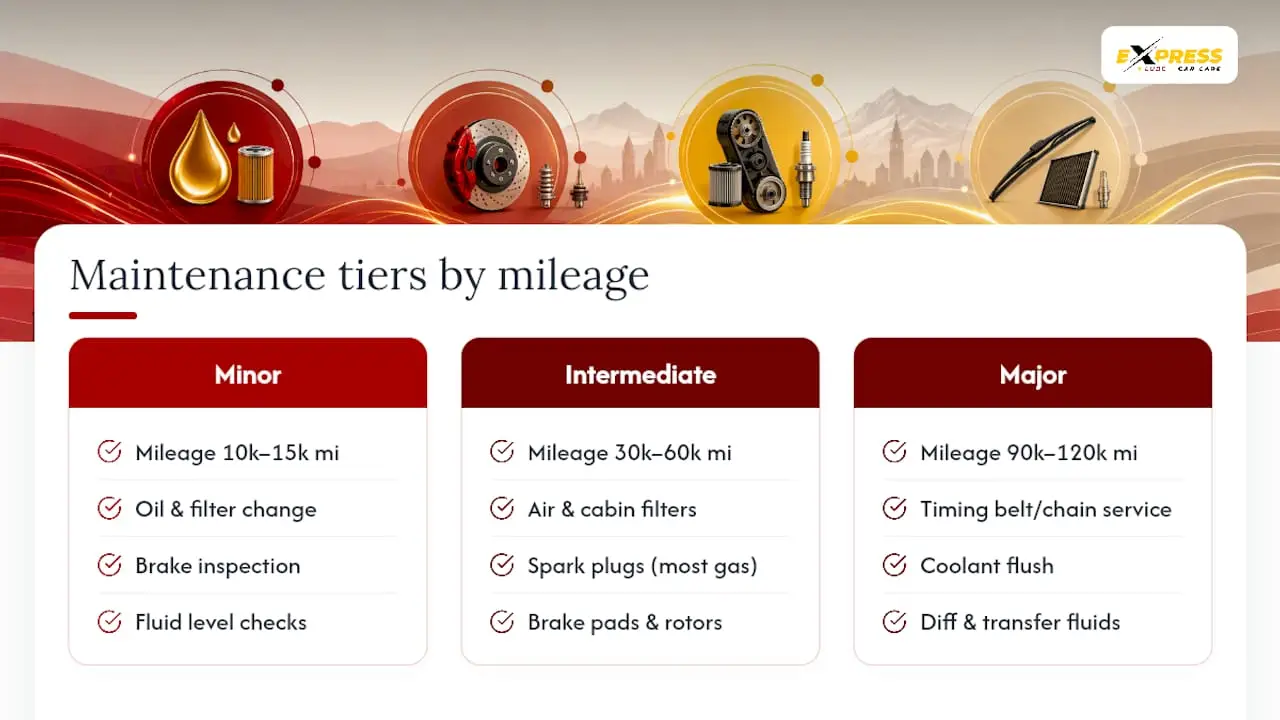
Intermediate service (30,000 to 60,000 miles): air and cabin filter replacement, spark plugs on most gas engines, brake pad and rotor inspection, and the first serious look at transmission fluid condition. DSG-equipped VWs and Audis typically need fluid and filter service at manufacturer-recommended intervals, while ZF recommends fluid and filter changes at manufacturer-recommended intervals for its automatic units, even though some manufacturers marketed those transmissions as “fill for life.”
Major service (90,000 to 120,000 miles): timing components (belt replacement if applicable), coolant flush, differential and transfer case fluid, and a full suspension and exhaust inspection. This is also where factory-scheduled maintenance guides diverge most by model, so a VIN-specific lookup matters more here than at any other stage.
Layered on top of mileage, three time-based triggers apply no matter how few miles you’ve driven: brake fluid every 2 years, coolant every 3 to 5 years, and Haldex AWD fluid changes at manufacturer-specified regular intervals.
Heat cycling and condensation buildup age fluids faster than mileage alone suggests, and a car that “only” has 40,000 miles on it after eight years of short hops has aged like one with twice the mileage.*
The Detailed European Car Care Checklist, Item By Item
This is the working list. Bring it to your next appointment or use it to audit a shop’s work order line by line.
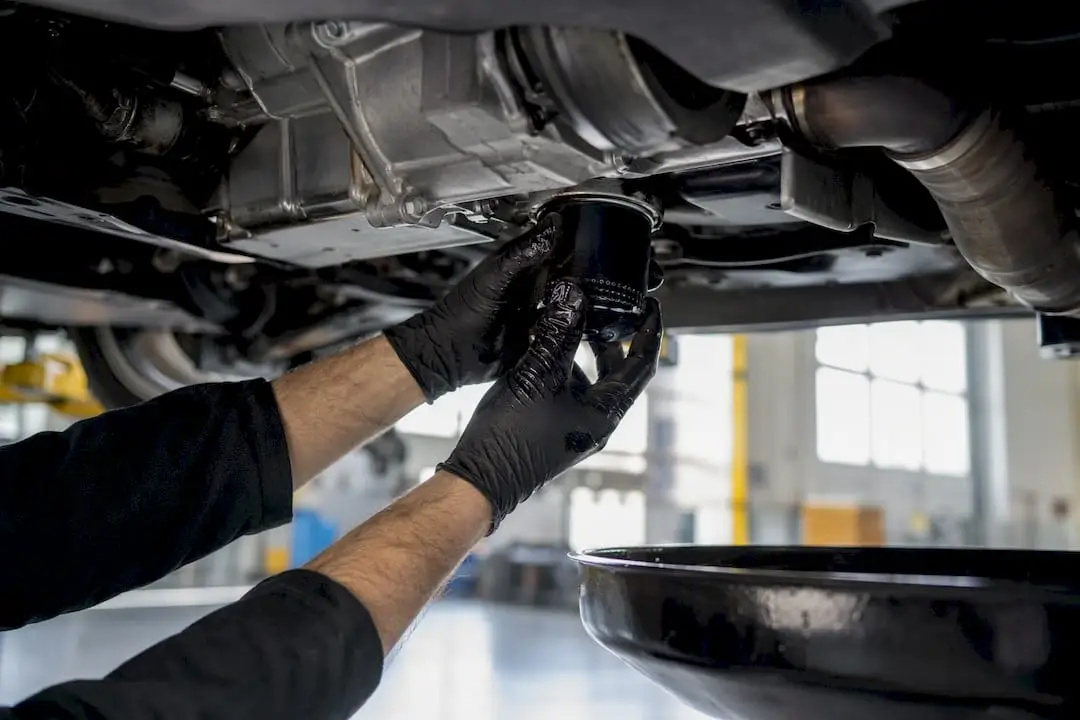
Engine oil and filter. Confirm the shop uses your car’s exact OEM oil spec, not just “European blend” on the invoice. VW, Mercedes, and BMW each publish approval codes (more on that below), and using the wrong one can cause sludging over time. Watch for blue exhaust smoke, a burning smell, or a low oil pressure warning between services. Our guide on oil change intervals and mileage breaks down why the “3,000 mile oil change” rule doesn’t apply to modern European engines.
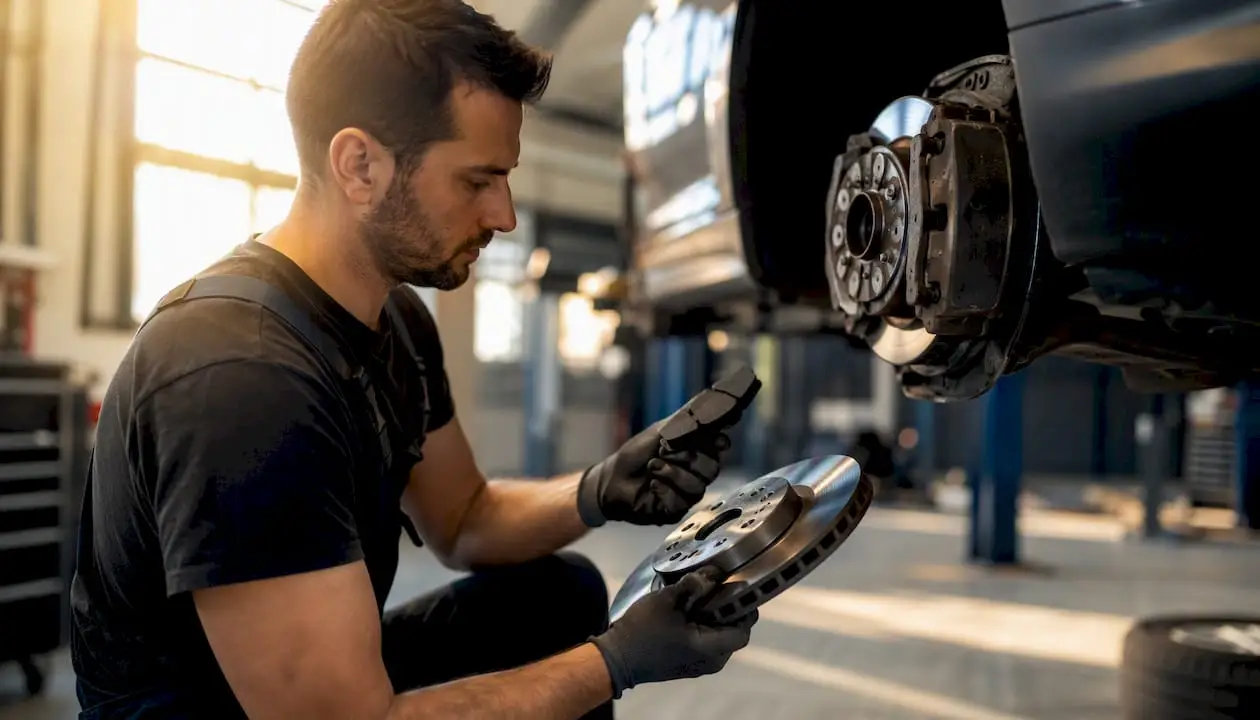
Brake system. Inspect pads and rotors for thickness and scoring at every minor service. Flush brake fluid every 2 years even if the pedal feels fine, since moisture absorption lowers the fluid’s boiling point and corrodes ABS pump components from the inside out. A soft or spongy pedal is not a “wait and see” symptom.
Transmission and driveline. DSG wet-clutch units, ZF automatics, differentials, and Haldex AWD couplings each run on their own clock. Shift hesitation, harsh engagement, or a delayed response from park to drive are early warning signs worth acting on immediately rather than at the next scheduled visit.
Cooling system. Confirm the correct coolant type (G12, G13, or your manufacturer’s current spec) since mixing coolant chemistries can cause gel formation in the system. Check plastic coolant housings and hose connectors for brittleness. A sweet smell inside the cabin usually means a heater core leak.
Filters and ignition. Air filter, cabin filter, fuel filter, and spark plugs each have their own replacement window, typically tied to the intermediate service. A rough idle or reduced fuel economy often points here first.
Belts, hoses, suspension, exhaust, battery, tires, and lights. These get a visual inspection at every visit: cracking or glazing on belts, bulging on hoses, uneven tire wear indicating alignment issues, and any exterior lighting failures that could trigger an inspection violation.
Manufacturer service intervals aren’t arbitrary numbers pulled from a marketing brochure. They come from engineering data on heat cycles, fluid degradation, and component wear under real-world simulation, which is exactly why deviating from them tends to cost more than the service itself would have.
Record-keeping. Every visit should include a service reset (so the dashboard reflects the actual work done), a note of mileage against your VIN-specific schedule, and either a stamped service book or saved digital inspection photos. If a shop can’t produce documentation, you have no proof of maintenance history when it comes time to sell.
What Makes European Vehicle Maintenance Different
European cars run on a different maintenance logic than the typical American sedan, and treating them the same way is where owners get into trouble.
Oil specifications aren’t interchangeable the way “any 5W30 will do” might suggest domestically. Codes like VW 504/507, Mercedes 229.x, and BMW LL-01 or LL-04 each define specific additive packages tuned for that engine’s tolerances, emissions hardware, and service intervals. Using the wrong approval can throw off long-life oil intervals entirely.
DSG and other dual-clutch transmissions are unforgiving of deferred maintenance. Degraded transmission fluid accelerates clutch pack wear and can damage the mechatronic unit, a repair that often runs into thousands of dollars, far more than the fluid service that would have prevented it.
Diesel models bring their own checklist items: AdBlue (DEF) fluid needs topping off between services, and the diesel particulate filter benefits from occasional highway driving to burn off accumulated soot. Around town exclusively, a DPF can clog prematurely.
Timing systems vary by engine family, some run a timing chain designed to last the engine’s life, others run a belt with a hard replacement interval, often 60,000 to 100,000 miles. Confirm which one your engine uses; guessing wrong on a belt-equipped engine risks catastrophic valve damage if it fails.
Be skeptical of “lifetime fluid” language. Component suppliers like ZF and Haldex publish their own recommended service intervals that frequently contradict a vehicle manufacturer’s lifetime claim, and the supplier’s guidance is usually the more conservative, more accurate one.
When To Trust A Professional Vs. Handle It Yourself
Some jobs are safe weekend projects. Others carry real risk if done wrong, and a few can void a warranty if handled outside a documented shop visit.
Always leave these to a professional:
- DSG or ZF transmission service, including fluid, filter, and adaptation resets.
- AdBlue/DPF diagnostics and any related sensor or regeneration work.
- Timing belt replacement.
- Major engine or transmission repairs.
- Airbag or ABS module work.
Reasonably safe to handle yourself: topping off washer fluid, checking tire pressure, cleaning battery terminals, and swapping a cabin air filter on models where it’s accessible without special tools.
When you do visit a shop, ask directly: what OEM fluid spec are you using, can you confirm genuine or OEM-equivalent part numbers, will I get a digital inspection with photos, and is the service reset being performed? A shop that hesitates on any of those questions, or can’t produce documented records, is a shop worth reconsidering.
A Note From The Shop On Missed Services
We see the same pattern constantly: a European car comes in with a mechatronic failure or a corroded ABS pump that traces directly back to a skipped fluid service years earlier. Our ASE-certified technicians document every inspection with photos and notes precisely so you’re never guessing what was checked. Same-day, no-appointment service means catching a small issue doesn’t require rearranging your week.
Keep Your European Car On Schedule With Express Lube & Car Care
Staying ahead of every interval on this checklist takes discipline, especially when your car’s dashboard doesn’t always flag time-based items like brake fluid or coolant age. Express Lube & Car Care builds each visit around your specific mileage and manufacturer schedule rather than a generic template, using OEM-spec fluids and ASE-certified technicians who know the difference between a BMW CBS reset and a Mercedes A/B cycle.
Every job comes with a digital inspection, photos and technician notes included, so you have a documented record if a question ever comes up later. No appointment is needed, and every repair is backed by a 24-month/24,000-mile warranty. If your brakes are due for that 2-year fluid flush, check the current brake service savings or browse oil change and service specials to get your next minor service scheduled this week.
Sources
- European Car Service Intervals | Accelerate Automotive
- Factory Scheduled Maintenance: A Complete Guide for European Cars – Euro Performance Auto LLC
- Importance of Factory-Scheduled Service for German Cars
- What Happens If You Skip a Service on a European Car? – CPK McLaren Motorbody
FAQ
How Often Should A European Car Be Serviced?
Most European cars need an oil and filter change every 10,000 to 15,000 miles or every 12 months, whichever comes first, with brake fluid flushed every 2 years regardless of mileage.
What Is A BMW CBS Or Mercedes A/B Service?
BMW’s Condition Based Service system and Mercedes’ alternating A and B service cycles calculate maintenance timing from driving data, but the displayed interval is a maximum, not a guaranteed safe minimum.
Do DSG Transmissions Really Need Fluid Changes?
Yes. VW and Audi DSG transmissions typically need fluid and filter service around every 60,000 kilometers, and skipping it accelerates clutch pack wear and mechatronic problems that are far costlier to fix.
Can I Skip Fluid Services If My Manual Says “Lifetime Fill”?
No. Component suppliers like ZF and Haldex publish their own, more conservative service intervals that often contradict a manufacturer’s lifetime fluid claim, and following the supplier’s guidance avoids premature failures.
Does Express Lube & Car Care Work On European Cars?
Yes. Express Lube & Car Care services European vehicles with ASE-certified technicians, OEM-spec fluids, digital inspections with photos, no-appointment scheduling, and a 24-month/24,000-mile warranty on completed work.