
Full synthetic oil is defined as a chemically engineered lubricant designed to deliver superior wear protection, thermal stability, and extended service life compared to conventional petroleum-based oils. For owners of large engines, whether in trucks, SUVs, or performance vehicles, the benefits of full synthetic oil in large engines translate directly to fewer repairs, longer engine life, and better performance under demanding conditions. AAA data from late 2025 confirms that full synthetic oil outperforms conventional oil by nearly 50% in wear resistance and thermal stability. That gap matters most when your engine is working hardest.
1. How full synthetic oil protects large engines better than conventional oil
Full synthetic oil creates a stronger, more uniform lubricating film between metal components, reducing the metal-on-metal contact that causes wear over time. Conventional oil is refined from crude petroleum and contains natural impurities and wax molecules that break down under heat and pressure. Synthetic oil, by contrast, is built molecule by molecule to stay consistent under stress.
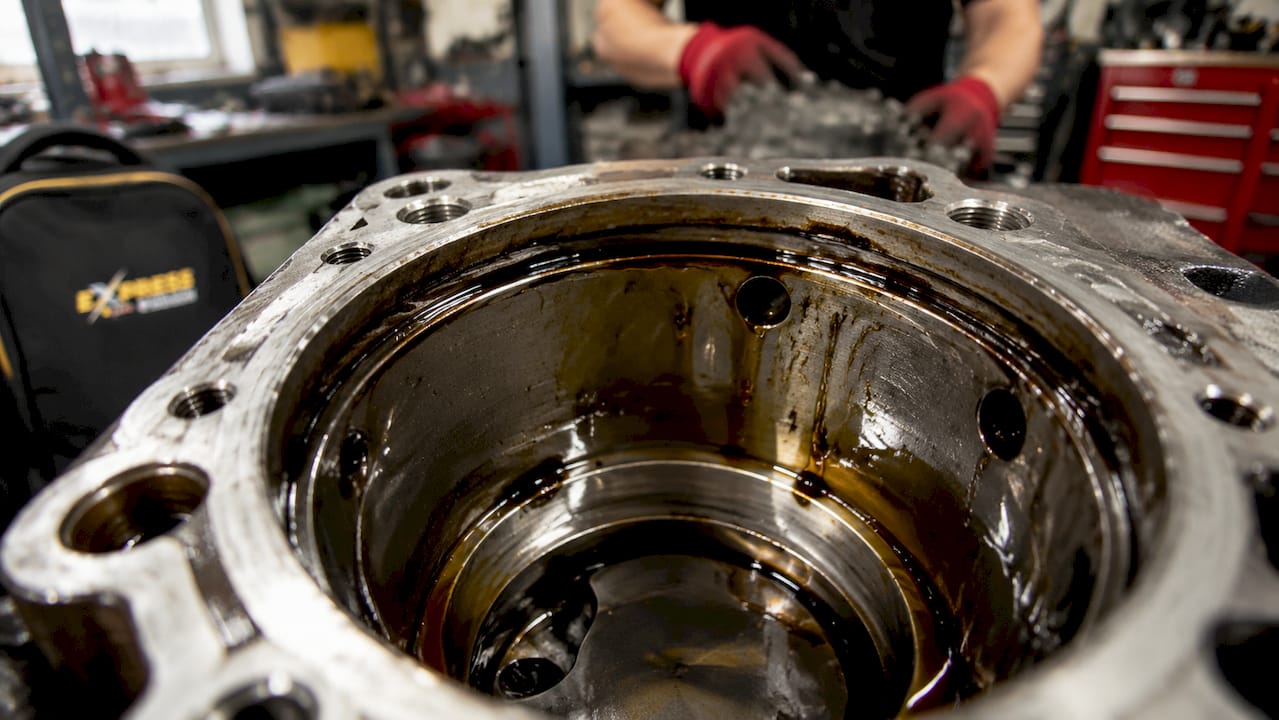
The thermal stability advantage is significant for large engines. Modern large-displacement engines, including turbocharged V8s and diesel powerplants, regularly operate at temperatures exceeding 400°F in critical areas. At those temperatures, conventional oil breaks down and forms sludge. Synthetic oil maintains chemical stability at these temperatures, keeping oil passages and components clean.
Here is what that protection looks like in practice:
- Uniform molecular structure creates a consistent lubricating film that does not thin out under high heat or shear stress
- Thermal breakdown resistance prevents sludge deposits from forming in oil galleries, valve covers, and piston rings
- Specialized additive packages protect turbocharger bearings, high-compression pistons, and timing components from accelerated wear
- Oxidation resistance keeps the oil chemically stable over longer periods, even in engines that run hot regularly
Pro Tip: If your large engine has a turbocharger, the oil that feeds those bearings reaches temperatures far beyond what the rest of the engine sees. Conventional oil can coke and block those oil lines within months. Synthetic oil is not optional in that scenario. It is the correct specification.
2. What impact synthetic oil has on engine performance and efficiency
Reduced internal friction is the most direct performance benefit you will notice after switching to full synthetic oil. When oil molecules are uniform in size and shape, they slide past each other more easily, which means the engine spends less energy overcoming internal resistance. The result is measurable improvement in horsepower delivery and smoother throttle response. Synthetic oil reduces friction through its consistent molecular structure, improving overall engine efficiency.
Cleanliness is the second major performance factor. Synthetic oils carry detergent additives that suspend and remove sludge deposits from engine surfaces over time. An engine running on conventional oil for years often has a layer of varnish and sludge coating internal surfaces. Switching to synthetic oil actively removes those deposits, restoring flow through oil passages and improving ring seal. Cleaner rings mean better compression and less oil consumption.
Cold-start behavior is where synthetic oil separates itself most clearly from conventional alternatives:
- Faster cold-start flow means oil reaches critical engine components within seconds of startup rather than waiting for the oil to warm up and thin out
- Lower pour point allows synthetic oil to flow freely even in sub-zero temperatures, protecting bearings and cam lobes during the first moments of operation
- Reduced startup wear addresses the fact that the majority of engine wear occurs during cold starts, when oil has not yet fully circulated
For large engines in Texas heat, the combination of fast cold-start flow and high-temperature stability makes synthetic oil the logical choice for year-round protection.
3. How extended oil change intervals benefit large engine owners
Synthetic oil typically lasts twice as long as conventional oil before it needs to be replaced. Where conventional oil requires changes every 3,000 to 5,000 miles, a quality full synthetic can run 7,500 to 15,000 miles depending on the vehicle and driving conditions. Synthetic oil costs 30 to 40% more upfront but cuts annual service visits significantly, which offsets that price difference over a full year of driving.
For owners of large trucks, commercial vehicles, or high-mileage daily drivers, fewer oil changes mean less downtime and lower cumulative labor costs. A driver logging 20,000 miles per year on conventional oil might need four to six oil changes annually. The same driver on full synthetic might need two. That reduction in service visits adds up quickly, especially when you factor in the cost of filters, labor, and time.
| Factor | Conventional oil | Full synthetic oil |
|---|---|---|
| Typical drain interval | 3,000 to 5,000 miles | 7,500 to 15,000 miles |
| Annual changes (20K miles) | 4 to 6 visits | 2 to 3 visits |
| Upfront cost per change | Lower | 30 to 40% higher |
| Annual total cost | Higher overall | Lower overall |
| Engine protection level | Adequate for light use | Superior under all conditions |
Pro Tip: Extended drain intervals require the right oil for your specific engine. Always verify that the synthetic oil you choose carries the OEM-required specification, such as API SN Plus, ILSAC GF-6, or the manufacturer’s own approval. Extended drain intervals depend on a system approach that includes OEM approvals and regular oil monitoring, not just switching to any synthetic product.
4. Unique benefits for turbocharged and high-performance large engines
Turbocharged engines represent the most demanding environment for motor oil. The turbocharger shaft spins at speeds exceeding 100,000 RPM and is lubricated entirely by engine oil. When you shut off a turbocharged engine, the turbo continues spinning for several seconds while oil flow stops. That residual heat can cook conventional oil into hard carbon deposits inside the turbo oil feed lines, a condition called coking. Modern synthetic oils are an operational requirement for turbocharged engines, making conventional oil genuinely unsuitable for these applications.
Beyond the turbocharger, synthetic oil addresses two specific failure modes that affect modern high-performance large engines. Low-Speed Pre-Ignition, or LSPI, is a destructive combustion event that can crack pistons and bend connecting rods. It occurs most often in turbocharged engines under low-speed, high-load conditions. Additives in synthetic oil prevent LSPI and timing chain clogging, protecting components that are expensive to repair or replace.
Timing chain tensioners are another vulnerability in modern large engines. These hydraulic components rely on consistent oil pressure and viscosity to maintain proper chain tension. When oil thins out under heat or thickens in cold weather, tensioner function degrades and chain slap begins. Synthetic oils maintain viscosity under load and heat, preserving timing chain tension and preventing the kind of engine damage that requires a full teardown to fix.
For owners of vehicles like the Ford F-150 EcoBoost, Ram 1500 with the eTorque V8, or any turbocharged large-displacement engine, full synthetic oil is not a premium upgrade. It is the correct specification for the engine design.
5. How synthetic oil supports engine health during cold starts and extreme temperatures
The first 30 seconds after you start a cold engine are the most damaging minutes in that engine’s life. Oil has settled to the bottom of the pan overnight, and until it circulates fully, metal surfaces run with minimal lubrication. Synthetic oil flows almost instantly on cold starts, reaching cam lobes, lifters, and main bearings before significant wear can occur. Conventional oil, by contrast, contains wax molecules that make it sluggish at low temperatures.
Here is how synthetic oil manages temperature extremes across the full operating range:
- Cold start flow: Synthetic oil reaches critical engine components within seconds because it lacks the wax content that slows conventional oil at low temperatures.
- Warm-up phase protection: As the engine reaches operating temperature, synthetic oil maintains a stable viscosity rather than thinning out rapidly, keeping the lubricating film intact.
- High-temperature stability: At sustained operating temperatures above 200°F, synthetic oil resists oxidation and does not form the varnish deposits that reduce oil flow over time.
- Post-shutdown heat soak: After a hard drive, engine temperatures continue rising briefly after shutdown. Synthetic oil handles this heat soak without breaking down, which is critical for turbocharger protection.
- Extreme climate performance: In climates like North Texas, where summer temperatures push ambient heat well above 100°F, synthetic oil in Texas heat provides a measurable advantage in maintaining engine cleanliness and wear protection.
The absence of waxes in synthetic oil enables instant lubrication at cold start, which is the single most important factor in minimizing long-term engine wear for large engines driven in variable climates.
Key takeaways
Full synthetic oil is the superior lubricant for large engines because it delivers better wear protection, thermal stability, and extended service life than conventional oil under every operating condition.
| Point | Details |
|---|---|
| Wear protection advantage | Synthetic oil outperforms conventional oil by nearly 50% in wear resistance and thermal stability. |
| Turbocharger requirement | Modern turbocharged large engines require synthetic oil to prevent coking and LSPI damage. |
| Extended drain intervals | Synthetic oil lasts twice as long as conventional, reducing annual service visits and total cost. |
| Cold start superiority | Synthetic oil flows instantly at startup, protecting engine components during the highest-wear period. |
| Temperature resilience | Synthetic oil maintains consistent viscosity from sub-zero cold starts to post-shutdown heat soak. |
Why we think synthetic oil is the smartest long-term investment for your engine
At Express Lube & Car Care, we see the inside of a lot of large engines. The difference between an engine maintained on full synthetic oil and one that ran on conventional for years is visible the moment you pull the valve cover. Synthetic-maintained engines are clean. The other kind tells a different story, with sludge coating the cam lobes and varnish blocking the oil passages.
The argument against synthetic oil usually comes down to cost. Drivers see the higher price per quart and assume they are paying for marketing. What they are actually paying for is chemistry that conventional oil cannot replicate. The role of oil in engine longevity is not abstract. Every mile you drive on degraded oil is a mile of accelerated wear on components that cost thousands of dollars to replace.
The clients who benefit most from switching to full synthetic are exactly the ones who think they cannot afford it. Owners of older high-mileage trucks, commercial vehicle operators, and anyone driving a turbocharged large engine are leaving real money on the table by staying with conventional oil. The extended drain intervals alone often cover the cost difference. The reduced repair frequency is where the real savings accumulate.
Our recommendation is straightforward: use the OEM-specified synthetic grade, choose a reputable brand like Mobil 1 or Pennzoil Platinum, and do not stretch drain intervals beyond what your vehicle’s oil life monitor indicates. That combination protects your investment without overcomplicating your maintenance schedule.
— Express Lube & Car Care
Get your large engine on full synthetic at Express Lube & Car Care
Switching to full synthetic oil is one of the most effective maintenance decisions you can make for a large engine. Express Lube & Car Care in Plano makes that switch fast and straightforward, with no appointment needed and certified technicians who know exactly which synthetic specification your engine requires.
Check out the current oil change specials for full synthetic service, including options for trucks, SUVs, and high-performance vehicles. Military and healthcare providers receive additional discounts as part of our community commitment. You can also review synthetic oil pricing to find the right service tier for your engine. Drive in today and let our team handle the rest.
FAQ
What are the main benefits of full synthetic oil for large engines?
Full synthetic oil delivers superior wear protection, thermal stability, and extended drain intervals compared to conventional oil. It is particularly critical for turbocharged large engines, where it prevents coking, LSPI, and timing chain damage.
How often should you change full synthetic oil in a large engine?
Most large engines running full synthetic oil can go 7,500 to 15,000 miles between changes, roughly twice the interval of conventional oil. Always follow your vehicle’s OEM specification and oil life monitor rather than a fixed mileage rule.
Is full synthetic oil worth the higher cost for large engines?
Yes. Synthetic oil costs 30 to 40% more per change but lasts twice as long, reducing annual service visits and total maintenance cost. The reduction in engine wear and repair frequency adds further long-term value.
Can you switch from conventional to full synthetic oil in a high-mileage large engine?
Switching to synthetic oil in a high-mileage engine is safe and often beneficial. Synthetic oil’s detergent additives remove existing sludge deposits over time, improving oil flow and engine cleanliness without causing leaks in properly maintained engines.
Does full synthetic oil really help during cold starts?
Synthetic oil flows almost instantly at cold startup because it lacks the wax content that slows conventional oil in low temperatures. This fast flow protects bearings, cam lobes, and lifters during the first critical seconds of engine operation, which is when the majority of engine wear occurs.