

Performing a power steering system flush is a fundamental maintenance task that is often overlooked. The procedure involves replacing old, contaminated hydraulic fluid with new, clean fluid to ensure smooth, responsive steering. Consider this essential preventative maintenance to safeguard your vehicle’s power steering pump and steering rack from premature wear and costly repairs.
The Importance of Flushing Your Power Steering System
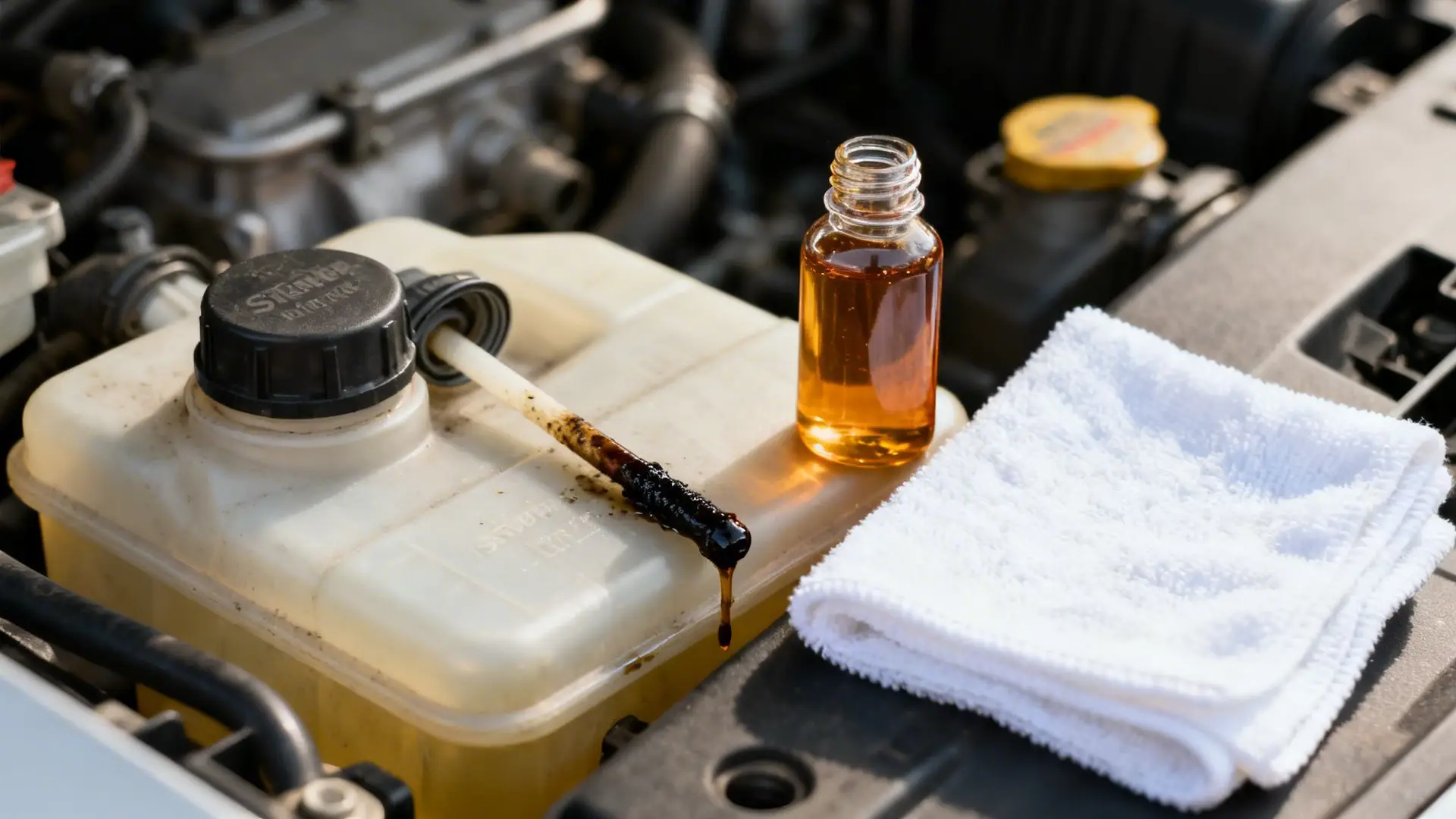
Have you noticed a groaning or whining sound during steering maneuvers? Or perhaps turning the wheel requires more physical effort than it used to? These are not minor operational quirks; they are clear indicators that your power steering fluid has degraded and requires attention. Ignoring these symptoms can lead to significant mechanical failures.
Power steering fluid serves two critical functions. First, it acts as a hydraulic medium, transmitting the pressure that makes steering feel effortless. Second, it lubricates the system's moving components, preventing friction and wear.
Diagnosing Degraded Power Steering Fluid
If you suspect an issue with your fluid, the following symptoms are strong indicators. This table outlines common observations and explains their underlying mechanical causes.
| Symptom | Description | Technical Explanation |
|---|---|---|
| Whining or Squealing Noises | A high-pitched sound that intensifies when turning the wheel. | The fluid level is low or its viscosity is compromised, causing the pump to cavitate or strain. |
| Stiff or Heavy Steering | Increased effort is needed to turn the steering wheel, particularly at low speeds. | The fluid has lost its hydraulic properties, or there may be a leak in the system reducing pressure. |
| Jerky Steering Wheel | The steering wheel feels as though it is slipping or catching during rotation. | Air has been introduced into the hydraulic system, or the fluid has become too thin to maintain consistent pressure. |
| Dark, Gritty Fluid | The fluid on the dipstick appears brown or black and contains visible particulates. | The fluid is contaminated with metal and rubber particles from component wear, acting as an abrasive. |
Observing any of these signs necessitates prompt action, as degraded fluid will only exacerbate component wear over time.
The Process of Fluid Degradation
Over thousands of miles of operation, power steering fluid is subjected to thermal breakdown. Heat, constant shearing forces, and oxidation cause it to lose its essential properties. Concurrently, microscopic metal shavings from the pump and rubber particles from deteriorating hoses contaminate the fluid, transforming it from a lubricant into an abrasive slurry.
This degradation leads to several problems:
- Loss of Lubrication: Particulate-laden fluid fails to properly protect the pump, gears, and seals, increasing friction and accelerating wear.
- Reduced Hydraulic Efficiency: As the fluid degrades, its viscosity changes, and it can no longer generate the consistent pressure required for effective power assistance.
- Component Damage: The abrasive particles circulate throughout the system, scoring and eroding the precision-machined internal surfaces of the pump and steering rack.
Industry data indicates that fluid contamination is a contributing factor in 70-80% of all power steering system failures. The fluid simply loses its ability to protect the system, leading to leaks and expensive pump damage.
For drivers in urban areas like Plano, particularly on high-traffic corridors like I-75, a responsive and reliable steering system is paramount for safety. An unexpected loss of power assistance can be hazardous.
The Financial Consequences of Neglect
Postponing a power steering flush is a classic example of a false economy. While the service itself is relatively inexpensive, replacing a failed power steering pump or a leaking rack and pinion assembly can easily exceed $800.
For this reason, ASE-certified technicians at Express Lube Plano recommend a power steering system flush every 50,000 to 75,000 miles, or approximately every 3 to 5 years. This service removes harmful contaminants and restores the protective properties of the fluid. To delve deeper into the factors influencing these service intervals, you can explore this detailed power steering fluid market report.
Assembling the Necessary Tools and Materials
Before beginning the flushing procedure, it is crucial to gather all necessary equipment. Proper preparation prevents interruptions and ensures the task can be completed efficiently and safely. Most of the required tools are common items found in a well-equipped home garage.
Here is an essential checklist:
- Fluid Transfer Pump or Turkey Baster: A pump offers the cleanest method for evacuating the reservoir, though a large turkey baster is a functional alternative.
- Drain Pan: A container with a minimum capacity of 5 quarts is needed to collect the old fluid for proper disposal.
- Socket Set and Wrenches: Required for loosening hose clamps and other fasteners.
- Pliers: A set of hose clamp pliers is invaluable for removing the spring-style clamps on the return line.
- Funnel: A clean funnel is essential for adding new fluid without spillage.
- Rags and Gloves: This procedure can be messy. Nitrile gloves and an ample supply of rags are recommended for safety and cleanup.
Selecting the Correct Power Steering Fluid
This is the most critical step in your preparation. Using the incorrect fluid type is a common and potentially very costly error. Each vehicle manufacturer specifies a particular fluid for its steering system.
Consult your owner’s manual to identify the exact type of fluid your vehicle requires.
Important Note: Do not assume all power steering fluids are interchangeable. The wrong fluid can degrade seals, cause leaks, and lead to catastrophic failure of the power steering pump. Always verify the correct specification for your vehicle.
You will typically encounter three main categories of fluid:
- Conventional Fluid: A mineral oil-based fluid suitable for many older vehicles.
- Synthetic Fluid: The standard for most modern vehicles, offering superior performance in extreme temperatures and a longer service life.
- Automatic Transmission Fluid (ATF): Certain manufacturers, including Honda and some European brands, specify ATF for use in their power steering systems.
You should purchase 2 to 3 quarts of new fluid to ensure a complete flush. The required fluid type may also be printed on the power steering reservoir cap. When in doubt, seeking professional advice is the safest course of action.
A Practical Guide to Flushing the Power Steering System
With your tools and the correct fluid prepared, you can begin the process of removing the old, contaminated fluid from your power steering system.
This guide details two common DIY methods. Both are effective, but safety must remain your top priority. Always wear gloves and safety glasses. Power steering fluid is an oil that can create slippery surfaces and requires careful handling.
Organizing your new fluid, tools, and a drain pan before you begin is the key to a clean and efficient procedure.
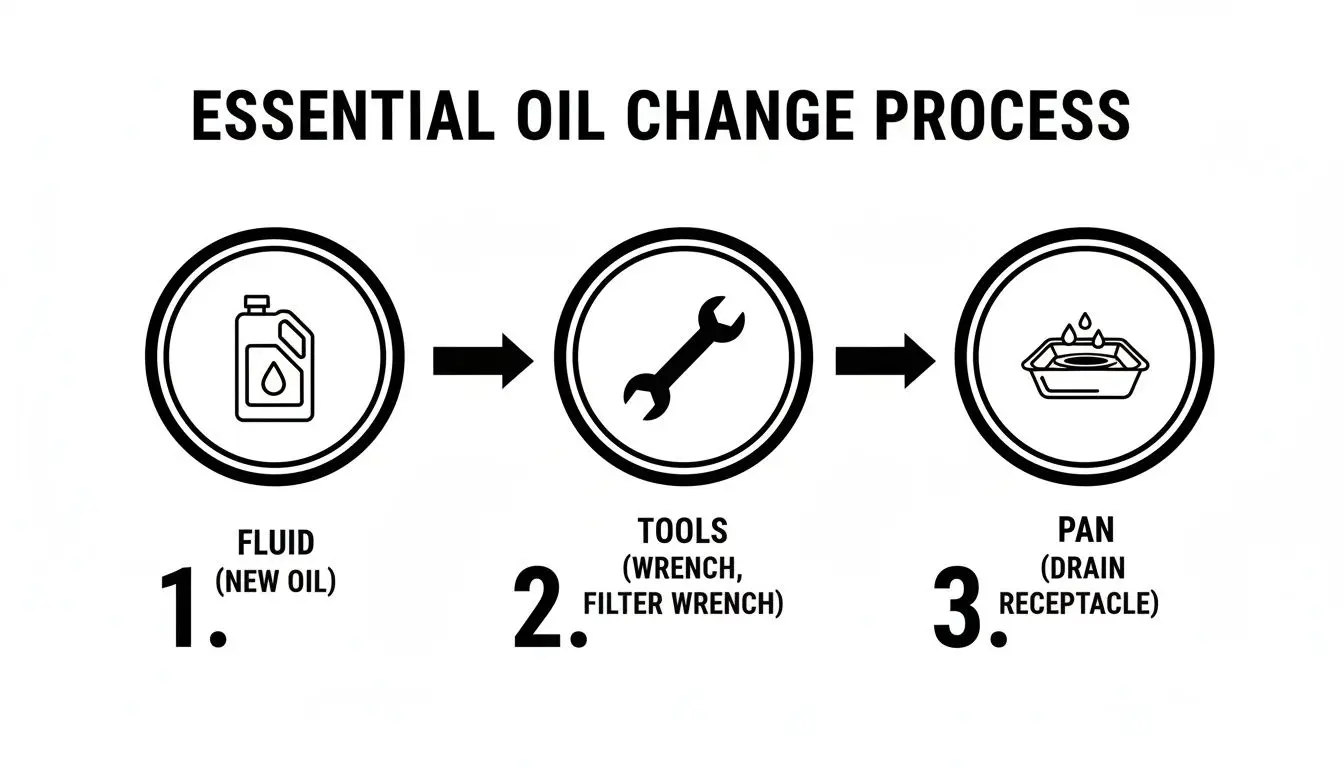
Method 1: The Reservoir Exchange ('Turkey Baster' Method)
This is a simpler, less intensive method suitable for routine maintenance or as a partial fluid refresh. It functions as a fluid exchange, diluting the old fluid with new fluid over several cycles.
Follow these steps:
- Extract Old Fluid: With the engine off, open the hood and locate the power steering reservoir. Use a turkey baster or fluid pump to remove as much old fluid as possible, transferring it to your drain pan.
- Refill with New Fluid: Using a funnel, pour new fluid into the reservoir up to the 'COLD' or 'MIN' mark. Do not overfill.
- Circulate the Fluid: Start the engine and let it idle for about one minute. Slowly turn the steering wheel from lock to lock several times. This action circulates the new fluid, mixing it with the old fluid remaining in the system.
- Repeat the Cycle: Turn off the engine and repeat steps 1-3. With each cycle, the fluid you extract will appear cleaner. Continue this process until the extracted fluid is nearly as clean as the new fluid.
While this method is excellent for ongoing maintenance, it does not remove all the sediment and degraded fluid from the steering rack and hoses. For a more comprehensive cleaning, the next method is recommended.
Method 2: The Full Flush ('Return Line Disconnect' Method)
This procedure provides a more thorough cleaning, removing a much higher percentage of the old fluid. It more closely emulates the process used by professional mechanics.
First, identify the low-pressure return hose, which carries fluid from the steering gear back to the reservoir. It is typically secured with a spring-type clamp. The high-pressure line will have more robust, threaded fittings.
Here is the step-by-step process:
- Prepare the Vehicle: Safely raise the front of the vehicle with a jack and secure it with jack stands. This allows the front wheels to be turned freely without the engine running, which is crucial for safely purging the old fluid.
- Drain the Reservoir: As in the previous method, use a baster or pump to empty the reservoir.
- Disconnect the Return Line: Place your drain pan beneath the reservoir. Use pliers to release the clamp on the return hose, then carefully twist and pull the hose from the reservoir fitting.
- Block the Reservoir Port: It is necessary to cap the reservoir port that you just exposed. A short section of rubber hose plugged with a bolt is an effective, temporary seal. This prevents new fluid from spilling out.
- Route the Return Hose: Direct the open end of the disconnected return hose into your drain pan. This is where the old fluid will be expelled.
Critical Safety Warning: Do not start the engine at any point during this procedure. Doing so will run the pump dry within seconds, causing immediate and severe damage. The system is purged by manually turning the steering wheel with the engine off.
Enlist a helper for this next phase. Have them sit in the driver's seat and slowly turn the steering wheel from lock-to-lock. As they do this, your task is to keep the reservoir filled with fresh fluid. You will observe the dark, old fluid being forced out of the return hose. Continue until the fluid running into the pan appears clean. Our guide on how to check power steering fluid levels can help you achieve the correct final level.
Once the fluid runs clean, reconnect the return hose, top off the reservoir, and lower the vehicle. Start the engine and turn the wheels lock-to-lock again to bleed any residual air from the system. Re-check the fluid level and add more if necessary.
A professional service can remove up to 95% of debris, while this DIY method is about 60% efficient. However, given that unmaintained systems fail 3 times faster—often leading to pump replacements costing $800+—it’s an exceptionally valuable preventative measure.
Troubleshooting Common Issues Post-Flush
Even a carefully planned DIY project can encounter issues. When flushing your power steering system, a few common problems can arise. Fortunately, understanding their causes makes them simple to resolve.
The most significant error is using the wrong type of fluid. While it may seem like a minor detail, incorrect fluid can rapidly degrade seals and cause pump failure. Always verify the correct fluid specification in your owner’s manual.
Another frequent issue is the introduction of air into the system. This typically occurs if the reservoir runs dry during the flush or if a hose clamp is not properly secured afterward. The primary symptoms are a whining pump and a spongy or inconsistent steering feel.
Common Problems and Their Solutions
If you have completed the flush but the system's performance is not optimal, do not be alarmed. Most post-service issues are straightforward to diagnose and remedy.
Whining or Groaning Pump
A noisy pump almost universally indicates the presence of air in the hydraulic lines. These air bubbles create a characteristic whining sound as they are forced through the pump.
- The Solution: With the engine running, turn the steering wheel completely from one side to the other (lock-to-lock) approximately 10-15 times. This process, known as bleeding the system, forces air bubbles from the lines up into the reservoir where they can escape. The fluid level may drop as the air is purged, so be prepared to top it off. If you hear a distinct grinding sound instead, it could signal a more serious mechanical issue. Our guide on grinding noises when turning the steering wheel can help differentiate the cause.
Spongy or Jerky Steering
This is another classic symptom of air in the lines, or simply a low fluid level. Without a solid, incompressible column of fluid, the hydraulic pressure becomes inconsistent, resulting in a disconnected or unpredictable steering feel.
- The Solution: Perform the air-bleeding procedure detailed above. After turning the wheel lock-to-lock, turn off the engine and allow the system to sit for 15-20 minutes. This allows any remaining microscopic bubbles to coalesce and rise. Check the fluid level one final time and add fluid as needed.
The Hidden Risks of Neglected Fluid
Postponing a power steering flush creates an unnecessary risk. Research indicates that an estimated 60% of vehicles over 5 years old operate with degraded power steering fluid. This can reduce system efficiency by up to 40% and significantly increases the likelihood of a complete failure.
In Plano, where vehicle mileage accumulates quickly, this neglect is the cause of a whining pump in 90% of cases. Steering performance becomes compromised, bringing you one step closer to a significant repair bill.
Expert Tip: If you have bled the system and the steering still feels abnormal, re-inspect every hose clamp. A clamp that is slightly loose may not leak fluid, but it can be just loose enough to allow air to be drawn into the system during operation.
Knowing When to Seek Professional Service
While a DIY power steering flush is a rewarding project for many car owners, there are scenarios where professional service is the more prudent choice. Recognizing these situations can save you time, frustration, and protect your vehicle from potential damage.
Some systems are inherently more complex. If your vehicle is equipped with a modern electro-hydraulic power steering (EHPS) system, for example, the flushing procedure is more intricate and often requires specialized diagnostic equipment not found in a typical home garage.
Signs It's Time to Consult a Professional
If you inspect the reservoir and the fluid appears as a thick, black sludge rather than a translucent oil, this is a significant warning sign. Such severe contamination, laden with metal and rubber particulates, is very difficult to remove completely with a simple DIY flush.
Another key indicator is a suspected leak. If you find yourself constantly adding fluid, a flush is only a temporary measure. An ASE-certified technician can perform a proper diagnostic to locate the source of the leak—whether it's a cracked hose, a worn seal, or a failing pump—and address the root cause.
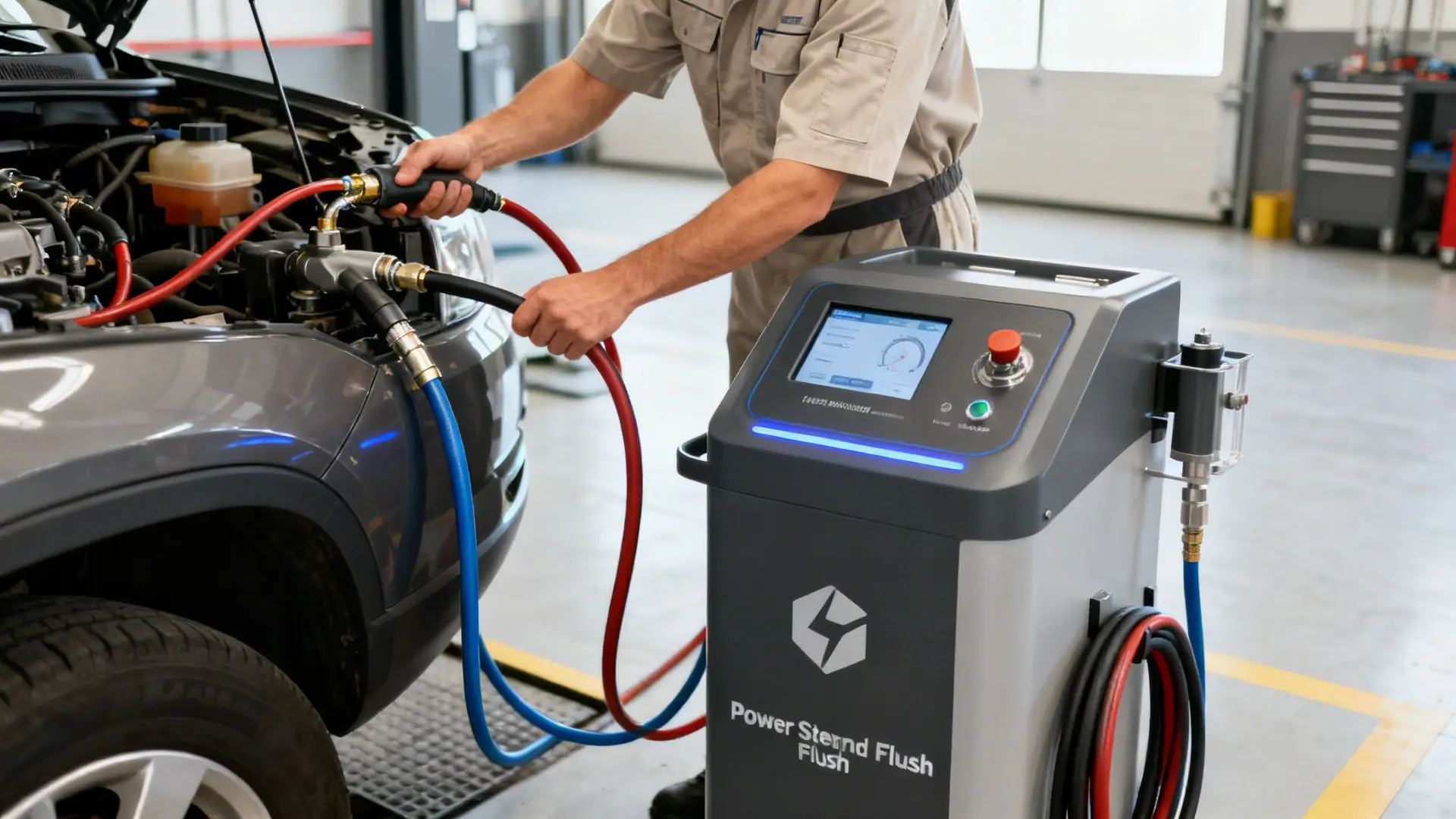
A professional power steering flush is a comprehensive service. Automotive shops utilize pressurized fluid exchange machines that circulate cleaning agents throughout the system, effectively removing nearly 100% of the old fluid and trapped debris. A DIY flush inevitably leaves a significant amount of old, contaminated fluid behind.
When you bring your vehicle to a service center like Express Lube & Car Care in Plano, you also receive the benefit of a professional inspection. During the flush service, our technicians can identify related issues that might otherwise go unnoticed.
We routinely inspect for conditions such as:
- A worn serpentine belt that drives the power steering pump
- Brittle or cracked hoses that are nearing failure
- Early indications of leaks from the pump or steering rack
The Advantages of a Professional Flush
The primary advantage of professional service lies in the equipment. Professional flushing machines perform a dynamic exchange, pushing cleaning solutions through the entire system to dissolve sludge and then using positive pressure to force out all of the old fluid while simultaneously introducing new, specified fluid.
This process ensures your system is refilled with pure, effective fluid that provides maximum protection for your expensive steering components. For busy Plano drivers, the convenience is also a significant factor. There is no need to purchase tools, handle messy fluids, or find a facility for proper waste oil disposal.
At Express Lube & Car Care, appointments are not necessary. Our ASE-certified technicians can perform the service correctly and efficiently. You will be back on the road quickly with a steering system that feels smooth, responsive, and is fully protected for the miles ahead.
Frequently Asked Questions About Power Steering Flushes
We often field questions about power steering flushes at our shop. It's a critical but often misunderstood service, so let's clarify some common points to help you maintain your vehicle's steering system.
How Often Should I Flush My Power Steering Fluid?
Most vehicle manufacturers recommend a power steering flush every 30,000 to 50,000 miles, which typically translates to every 2-3 years for the average driver.
However, you should always consult your owner’s manual for the manufacturer's specific service interval. If you observe dark, murky fluid in the reservoir—or if you hear abnormal noises during steering—it is wise to have the system inspected sooner.
Can I Just Top Off Low Fluid Instead of Flushing It?
While you can, it should be considered a temporary solution. Adding new fluid does not remove the abrasive contaminants—metal particles, rubber fragments, and moisture—that accumulate in the system over time. These particulates are the primary cause of wear on the pump and steering gear.
A complete flush is the only effective method for removing these harmful contaminants. Topping off the fluid merely dilutes the old, degraded fluid with a small amount of new fluid.
What Happens If I Use the Wrong Type of Fluid?
Using the incorrect power steering fluid is one of the most detrimental mistakes you can make. It can lead to rapid system failure.
Different vehicles require fluids with specific additives and viscosity ratings. An incompatible fluid can damage seals, cause leaks, and lead to the overheating and failure of the power steering pump. Always verify the correct specification in your owner's manual.
The principle is the same as for your transmission; using the correct fluid is non-negotiable for preventing contamination and ensuring longevity, a topic we explore in our guide on when to consider a transmission fluid flush.
Is a Power Steering Flush the Same as a Fluid Exchange?
The terms are often used interchangeably, but there is an important technical distinction. A simple "fluid exchange" typically refers to using a pump or baster to remove and replace only the fluid in the reservoir. This is better than no service, but it leaves a large volume of old, contaminated fluid circulating in the system.
A professional "flush" is a much more comprehensive service. Specialized equipment is used to circulate cleaning agents through the entire system, forcing out nearly 100% of the old fluid and trapped debris before refilling it with fresh, clean fluid.