
Community-focused auto service is defined as a local, relationship-driven vehicle maintenance model that prioritizes trust, certified expertise, and neighborhood accessibility over volume and anonymity. Unlike large chain operations, this approach treats every car owner as a neighbor rather than a transaction. It integrates ASE-certified technicians, transparent communication, and genuine community investment to deliver reliable results. Express Lube & Car Care exemplifies this model by combining no-appointment-needed convenience with technician certifications and special discounts for military personnel and healthcare providers. For busy families, understanding this service model is the first step toward finding auto care you can actually count on.
What is community-focused auto service and how does it work?
Community-focused auto service is an automotive care model built on personal relationships, local accountability, and certified technical standards. The term is an informal, descriptive phrase for what the industry more formally calls consumer-centric local auto repair. Both terms describe the same core practice: a neighborhood shop that knows your name, your vehicle history, and your budget.
ASE certification serves as the gold standard for assessing technical competence in auto service. Technicians must pass industry-standard tests and retest every five years to maintain that certification. That recertification requirement matters because it means the person working on your vehicle is current on modern engine systems, not just experienced with older ones.
Community-driven auto care also incorporates local economic investment. When you pay a neighborhood shop, a larger share of that money recirculates locally through wages, local supplier contracts, and community sponsorships. That economic loop strengthens the neighborhood in ways a national chain simply cannot replicate.
What characteristics distinguish community-focused shops from traditional ones?
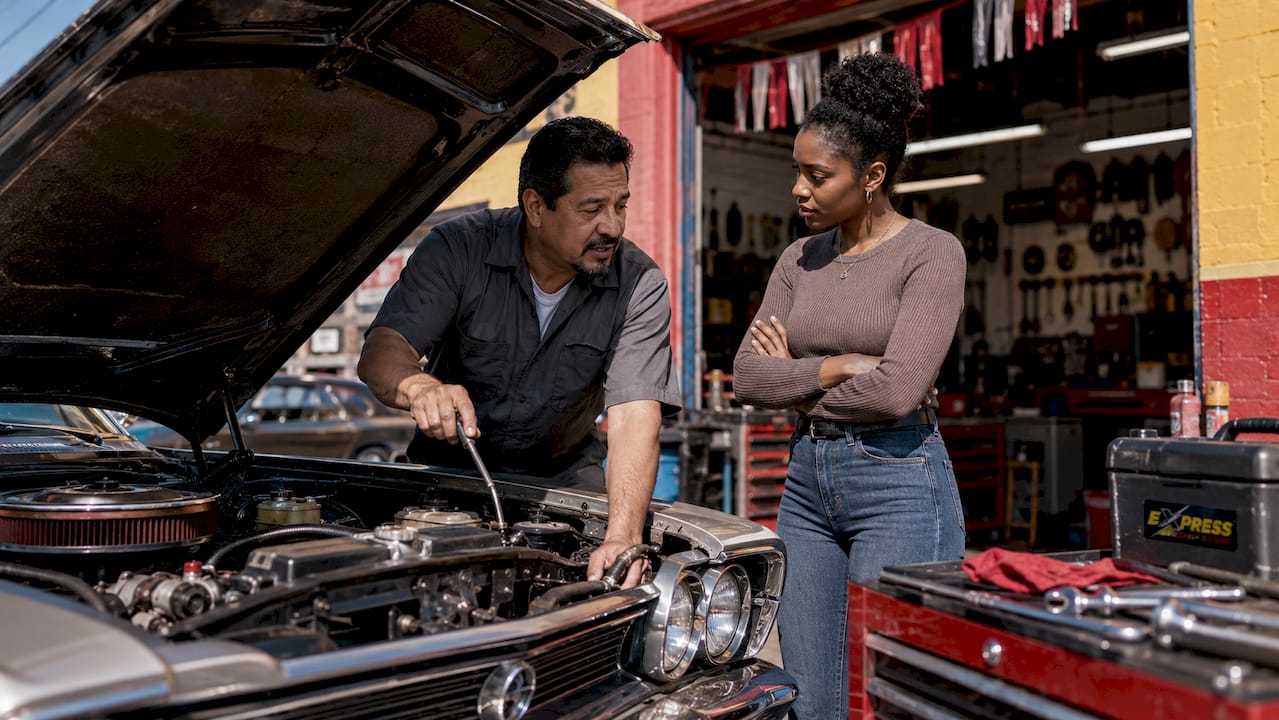
Community-oriented shops differ from conventional repair facilities in four measurable ways: personalized service, local economic contribution, community involvement, and transparent warranty policies.
Personalized service and communication stand out most clearly. A community shop technician remembers that your minivan had a brake noise last spring. A large chain technician reads your file cold. That difference in context produces better diagnoses and fewer unnecessary repairs.
Here is what to expect from a genuinely community-focused provider:
- Personalized vehicle history tracking so technicians know your car’s patterns, not just its current complaint
- Plain-language explanations of every recommended repair before work begins
- Local hiring practices that keep skilled jobs in the neighborhood
- Community sponsorships such as youth sports teams, school fundraisers, or local charity drives
- ASE-certified technicians backed by warranty policies that reflect real accountability
- Transparent pricing with written estimates provided before any work starts
Local community auto care shops contribute to economic stability by creating jobs and supporting local suppliers. That contribution creates a neighborhood that benefits from accessible, trustworthy vehicle maintenance year-round.
Pro Tip: Ask any shop you visit whether their technicians hold current ASE certifications. A shop proud of its credentials will display them prominently and answer that question without hesitation.
How do community auto service programs support local families?
Community auto service programs address a problem that rarely gets discussed: transportation poverty. When a vehicle breaks down and a family cannot afford repairs, the consequences ripple outward to lost jobs, missed medical appointments, and children absent from school.
Nonprofit community-based auto programs have completed over 1,000 repairs and gifted over 550 vehicles since 2013. That scale of impact shows what happens when volunteer labor, donated parts, and community partnerships combine under a shared mission. These programs keep costs low precisely because they replace profit margins with purpose.
Community garages increasingly incorporate educational components that teach basic car maintenance. Interactive lessons empower drivers to manage simple repairs safely and confidently. A driver who can check fluid levels, recognize brake wear, and change a tire is a driver who avoids unnecessary shop visits and catches small problems before they become expensive ones.
The structure of these programs typically follows a clear progression:
- Vehicle assessment: Technicians or trained volunteers evaluate the car’s condition and prioritize safety-critical repairs.
- Affordable or no-cost repair: Volunteer labor and donated parts keep costs within reach for low-income families.
- Vehicle donation and restoration: Donated cars are repaired and transferred to families who need reliable transportation.
- Skills training: Participants learn basic maintenance tasks in hands-on workshops, reducing long-term dependency on paid service.
- Follow-up support: Many programs offer ongoing check-ins to catch new issues before they strand a family again.
Educational programs within community garages reduce long-term maintenance costs by teaching basic skills. That reduction compounds over time. A family that learns to spot an oil leak early avoids a $4,000 engine repair later.
What should car owners look for when choosing a community-focused provider?
Choosing the right local auto service provider requires more than reading a few online reviews. The criteria below separate genuinely community-oriented shops from shops that simply use the language.
- Verify ASE certifications. ASE-certified technicians retest every five years. Ask to see current credentials, not just a framed certificate from a decade ago.
- Check warranty policies. High-quality shops back repairs with a minimum 12-month/12,000-mile warranty. A shop unwilling to stand behind its work is telling you something important.
- Assess communication style. A trustworthy shop explains what is wrong, why it matters, and what happens if you defer the repair. Pressure tactics and vague answers are red flags.
- Consider proximity and hours. For families managing school schedules and work shifts, a shop that is close and flexible is not a luxury. It is a practical necessity.
- Look for consistent online reviews. Experienced car owners bypass paid local ads and seek organically ranked shops with consistent 4-star-or-higher ratings. Review patterns over time reveal more than any single testimonial.
- Start with a small service visit. A trial oil change reveals how a shop communicates, how clean the facility is, and whether the final bill matches the estimate.
Pro Tip: Schedule your first visit for a routine oil change, not a major repair. That low-stakes appointment tells you everything about how the shop treats customers before you trust them with a $1,500 brake job.
The best time to find a trusted mechanic is before an emergency forces your hand. Waiting for a breakdown means choosing based on proximity rather than quality. Proactive selection gives you time to evaluate options without pressure.
How does supporting local auto services benefit your neighborhood?
Supporting community-focused auto care produces benefits that extend well beyond your own vehicle. The table below maps the key advantages for both individual car owners and the broader neighborhood.
| Benefit | Impact on car owners | Impact on the neighborhood |
|---|---|---|
| Local economic contribution | Competitive pricing from suppliers invested in the community | Job creation and support for local businesses |
| Certified technician expertise | Accurate diagnoses and fewer repeat repairs | Higher safety standards across neighborhood vehicles |
| Transparent communication | Written estimates and honest repair timelines | Reputation accountability that keeps shops honest |
| Flexible scheduling and proximity | Less time lost to long drives or appointment waits | Reduced traffic burden and improved local mobility |
| Community programs and outreach | Access to affordable repairs and educational workshops | Stronger social safety net for low-income families |
Community auto care is viewed as a two-way street that fosters mutual trust beyond just vehicle repair. Car owners who feel respected and informed return consistently. That loyalty funds the community programs, the staff wages, and the local sponsorships that make the neighborhood stronger.
The convenience of fast turnaround service also directly supports vehicle safety. A car owner who can get brake pads replaced in an afternoon is far more likely to address the issue promptly than one facing a week-long wait at a distant facility. Accessibility removes the friction that causes deferred maintenance.
Local shops also build the kind of rapport that changes how car owners think about maintenance. When you trust your technician, you ask questions. When you ask questions, you catch problems early. That cycle of communication and trust is what separates community-driven auto care from an anonymous transaction at a national chain.
Key Takeaways
Community-focused auto service delivers the most value when car owners choose certified, locally accountable shops before emergencies arise and commit to an ongoing relationship built on transparency and trust.
| Point | Details |
|---|---|
| ASE certification is non-negotiable | Verify current credentials; technicians must retest every five years to stay certified. |
| Warranty policy signals accountability | Reputable shops offer a minimum 12-month/12,000-mile warranty on completed repairs. |
| Trial visits reveal shop quality | A routine oil change exposes communication style, honesty, and facility standards before major work. |
| Community programs reduce transportation poverty | Nonprofit models have completed over 1,000 repairs and gifted over 550 vehicles since 2013. |
| Proactive selection beats emergency choice | Finding a trusted shop before a breakdown allows quality-based decisions, not proximity-based ones. |
Why I believe community auto service is the smarter long-term choice
At Express Lube & Car Care, we have seen firsthand what happens when car owners wait for a crisis to find a mechanic. They end up at whichever shop is closest, with no time to ask about certifications, warranties, or pricing. The repair gets done, but the trust never gets built.
The shops that genuinely serve their communities do something different. They treat the first oil change as the beginning of a relationship, not a one-time sale. They explain the drain plug torque spec not because the customer asked, but because an informed customer makes better decisions about their vehicle. That approach takes more time upfront. It pays back in loyalty, referrals, and vehicles that stay on the road longer.
Community auto service is also a two-way commitment. When you choose a local shop consistently, you fund the wages of technicians who live in your neighborhood. You support the sponsorships that put a local team on a soccer field. You make it possible for that shop to offer discounted repairs to a family that cannot afford full price. That is not a marketing message. That is how local economies actually work.
The practical advice I give every car owner is simple: find your shop before you need it. Schedule a routine service visit when nothing is wrong. Ask questions. Watch how the staff responds. That one visit tells you more than a hundred online reviews.
— Express Lube & Car Care
Express Lube & Car Care is built for your neighborhood
Express Lube & Car Care brings the community-focused model to Plano, TX with no-appointment-needed service, ASE-certified technicians, and a genuine commitment to the families and drivers who live here.
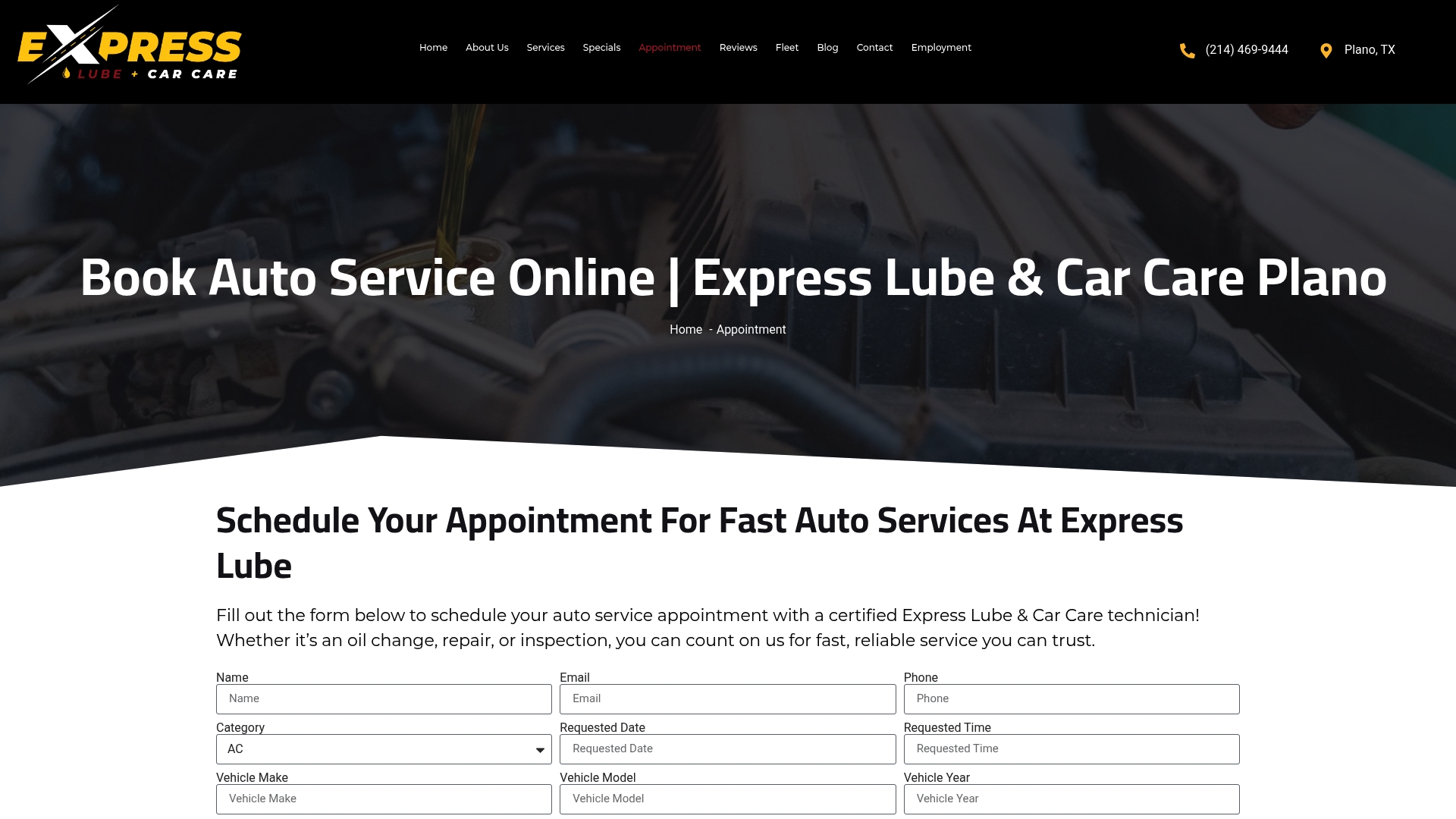
Whether you need a quick oil change or service special or a full brake inspection, the team at Express Lube & Car Care delivers honest estimates, quality work, and fast turnaround without the pressure tactics. Military personnel and healthcare providers receive special discounts as a direct reflection of the shop’s community values. If you want to see the difference that certified local service makes, stop in or book your appointment today.
FAQ
What is community-focused auto service?
Community-focused auto service is a local vehicle maintenance model that prioritizes personal relationships, certified expertise, and neighborhood accountability over high-volume, anonymous transactions.
How do I know if a shop is truly community-oriented?
Look for current ASE certifications, a written warranty of at least 12 months or 12,000 miles, transparent pricing, and consistent 4-star-or-higher reviews from real customers over time.
What is a good first step when choosing a local auto service provider?
Schedule a trial oil change at any shop you are considering. That low-cost visit reveals communication quality, facility standards, and billing honesty before you commit to major repairs.
How do community auto programs help low-income families?
Nonprofit community auto programs use volunteer labor and donated parts to complete affordable or no-cost repairs. Programs like these have completed over 1,000 repairs and gifted more than 550 vehicles to families in need since 2013.
Why should I find a mechanic before my car breaks down?
Waiting for a breakdown forces you to choose based on proximity rather than quality or certification. Selecting a mechanic proactively gives you time to evaluate credentials, read reviews, and build trust before an emergency removes those options.