

Oil change frequency is the scheduled interval at which engine oil is replaced to maintain lubrication, remove contaminants, and protect internal components from wear. For vehicle owners and operators in deployment scenarios, getting this interval right is not optional. Vehicles operating under military or commuter deployment conditions face severe duty stress that degrades oil far faster than standard driving. Following the correct oil change intervals, as outlined by Apollo Radar and supported by 2026 industry standards, is the single most effective way to prevent engine failure when reliability matters most.
Why oil change frequency matters during deployments
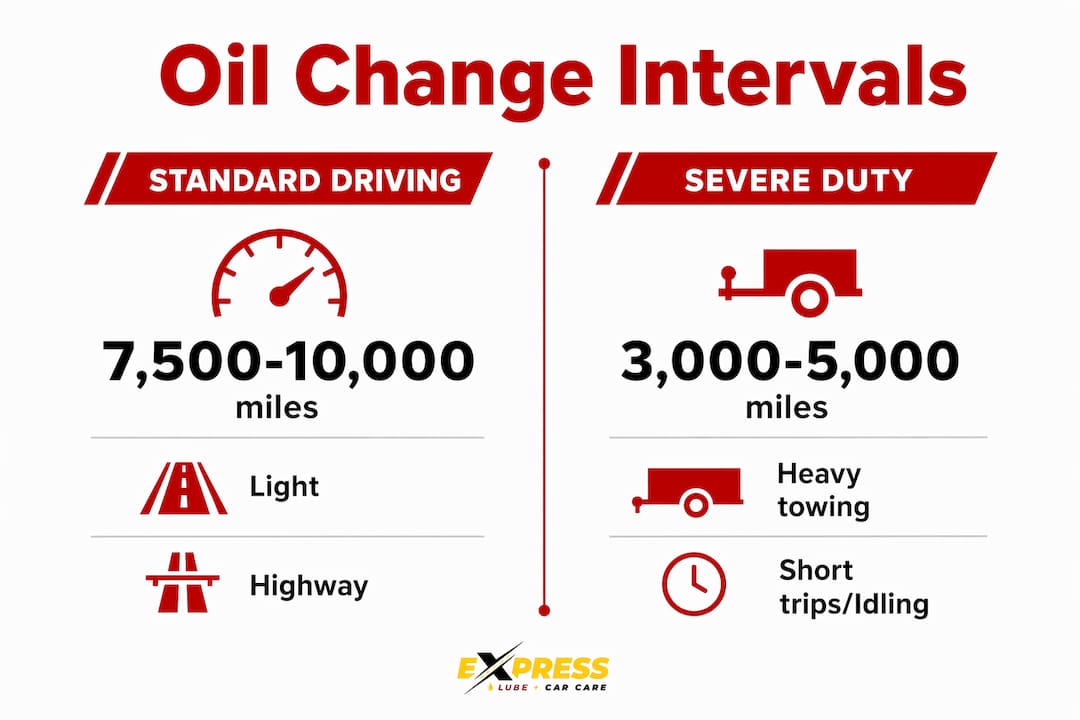
Deployment driving is classified as severe duty, and severe duty conditions shorten the safe life of engine oil significantly. Severe duty intervals drop to 3,000–5,000 miles, compared to 7,500–10,000 miles for standard driving. That gap represents a real and measurable risk to engine health if ignored.
Severe duty factors common to deployment scenarios include heavy towing, repeated short trips under 5 miles, extreme heat or cold, prolonged idling, and exposure to dusty or sandy environments. Each of these conditions attacks oil chemistry in a different way. Short trips prevent the engine from reaching full operating temperature, which allows moisture to accumulate in the oil. Dusty environments force contaminants past the air filter and into the oil supply.
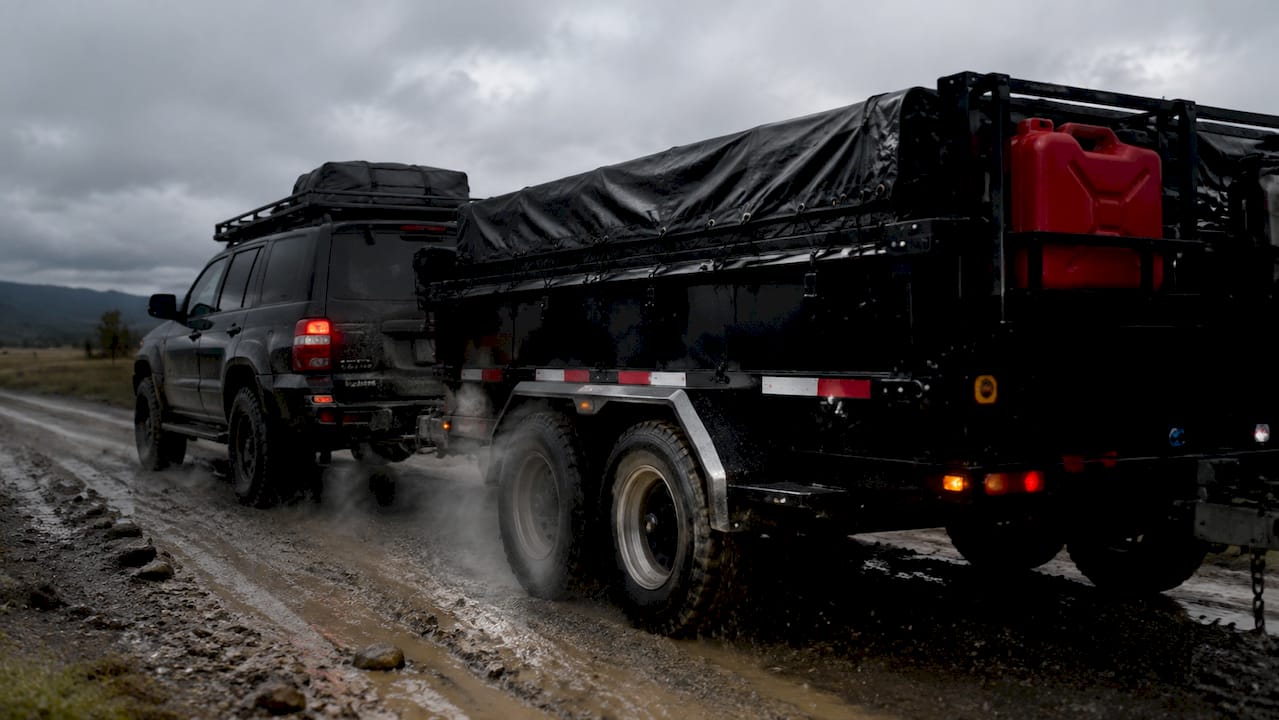
Towing and high idling cut safe oil life to the lower end of the severe duty range. This matters because a vehicle sitting at idle for hours, as military support vehicles often do, accumulates engine hours without accumulating road miles. The mileage on the odometer tells only part of the story.
Normal vs. severe duty oil change intervals
| Driving condition | Recommended interval |
|---|---|
| Standard highway driving | 7,500–10,000 miles |
| Severe duty (towing, heat, dust) | 3,000–5,000 miles |
| High-idle or stop-and-go urban | 3,000–5,000 miles |
| Time-based minimum (any use) | Once every 12 months |
The table above shows that the gap between standard and severe intervals is not trivial. A driver who follows a standard schedule while operating under severe conditions is running degraded oil for thousands of miles longer than is safe.
How synthetic oils and oil life monitors change the equation
Full synthetic oils resist thermal breakdown and oxidation better than conventional oils, which makes them the right choice for deployment vehicles. Synthetic oils support intervals of 7,500–10,000 miles or more under normal conditions, and they flow reliably during cold starts where conventional oil thickens and leaves components momentarily unprotected. That cold-start protection matters enormously for vehicles stored outdoors in winter deployment environments.
Oil Life Monitoring systems, known as OLMs, take the guesswork out of interval decisions. OLMs use algorithms that factor in engine temperature, RPM, load, and trip duration to calculate remaining oil life in real time. This is a major improvement over fixed mileage schedules because it accounts for how the vehicle is actually being used. A vehicle that has driven 4,000 miles mostly on the highway may have healthier oil than one that has driven 2,000 miles in stop-and-go city traffic.
The 3,000-mile rule is a legacy of older engine technology and conventional oil chemistry. Modern engines with tighter tolerances and synthetic oil formulations do not need changes that frequently under normal conditions. The persistence of that rule is more a product of outdated marketing than current engineering reality.
Pro Tip: Trust your OLM reading over a fixed mileage number, but always override it with a shorter interval when you know your vehicle has been operating under severe duty conditions. The OLM is a tool, not a guarantee.
Why mileage alone misleads deployment vehicle maintenance
Mileage is a poor proxy for oil condition in deployment environments. Research shows a weak correlation between miles driven and oil wear in high-idle and stop-and-go conditions. A vehicle that logs 3,000 miles in urban convoy duty has experienced far more oil stress than one that logs 3,000 miles on an open highway.
High idle and stop-and-go city driving cause soot buildup and chemical changes in oil that accelerate wear independently of mileage. Soot particles act as abrasives inside the engine, grinding against bearing surfaces and cylinder walls. This type of degradation does not show up on an odometer. Fleet operators who track engine hours alongside mileage consistently catch oil degradation earlier than those who track mileage alone.
Condition-Based Maintenance, or CBM, addresses this gap directly. CBM uses oil analysis and monitoring data to determine when oil actually needs changing rather than when a mileage threshold is crossed. CBM strategies reduce unnecessary oil changes while catching genuine degradation before it causes damage. For deployment vehicles with variable use patterns, CBM is the most reliable approach available.
The following factors affect oil degradation beyond mileage and should inform any deployment maintenance plan:
- Engine hours logged at idle
- Ambient temperature extremes during operation
- Dust and particulate exposure in the operating environment
- Frequency and duration of short trips under 5 miles
- Towing weight and load frequency
- Age of the oil in calendar time, regardless of miles driven
- Presence of coolant or fuel contamination in the oil
For fleet oil change planning, tracking these variables alongside mileage produces a far more accurate picture of oil health. Operators who rely on mileage alone will either change oil too early or, more dangerously, too late.
Practical guidelines for scheduling oil changes in deployment vehicles
A reliable oil change schedule for deployment vehicles combines time-based and condition-based approaches. Oil should be changed at least once every 12 months regardless of mileage, because moisture and combustion byproducts accumulate in oil over time even in vehicles that sit unused. A vehicle in deployment readiness storage still needs that annual change.
New engines in their break-in phase require special attention. Break-in periods demand 25–50% shorter oil change intervals than normal because elevated wear metals accumulate rapidly as components seat themselves. Skipping an early oil change during break-in can set the stage for premature wear that shortens engine life by years. This applies equally to newly issued military vehicles and recently purchased commuter vehicles entering heavy use.
Drivers operating under multiple severe duty factors at once should shorten intervals further, toward the 3,000-mile end of the severe duty range. Combining towing with dusty conditions and short trips is not additive stress. It is compounding stress, and the oil pays the price.
Pro Tip: Keep a written or digital maintenance log for every vehicle in your fleet or household. Record the date, mileage, oil type, and any observations about operating conditions at each change. That record becomes your most reliable guide for adjusting future intervals.
The steps below help any driver or fleet operator determine the right oil change frequency for their specific situation:
- Identify all severe duty factors that apply to your vehicle’s typical use.
- Check the manufacturer’s recommended interval for both standard and severe duty conditions.
- Confirm whether your engine uses conventional or full synthetic oil, and adjust the interval accordingly.
- Consult your OLM reading at each service, but treat it as one data point, not the final word.
- Apply the 12-month rule as a hard floor, regardless of mileage or OLM status.
- Shorten intervals by 25–50% during any break-in period or after a major engine repair.
- Document every service with date, mileage, oil type, and operating conditions.
For additional guidance on SUV oil change scheduling under towing and extreme temperature conditions, the factors above apply directly to larger vehicles that are common in both military and civilian deployment fleets. You can also review 2026 car maintenance best practices for a broader look at how oil intervals fit into a complete vehicle care plan.
Key Takeaways
Proper oil change frequency during deployments requires combining severe duty intervals, condition-based monitoring, and time-based minimums to protect engine health under compounding operational stress.
| Point | Details |
|---|---|
| Severe duty shortens intervals | Deployment conditions require oil changes every 3,000–5,000 miles, not the standard 7,500–10,000. |
| Mileage alone is unreliable | Engine hours, idle time, and environmental factors degrade oil independently of miles driven. |
| Synthetic oil extends protection | Full synthetic oils resist thermal breakdown and support longer intervals, but severe duty still overrides the schedule. |
| Time-based minimum applies always | Change oil at least once every 12 months, even if mileage is low or the vehicle sits in storage. |
| Break-in periods need shorter intervals | New or rebuilt engines require 25–50% more frequent changes to prevent premature wear. |
What we’ve learned from years of deployment vehicle service
At Express Lube & Car Care, we see the consequences of missed oil changes regularly. The pattern is almost always the same. A driver follows a standard mileage schedule without accounting for the severe conditions their vehicle actually operates in, and by the time they notice a problem, the engine has already paid a price that a timely oil change would have prevented.
The vehicles that hold up best under deployment stress are the ones whose owners treat oil changes as a condition-based decision, not a calendar reminder. They track how the vehicle is being used, not just how far it has traveled. They shorten intervals when conditions get harder, and they never skip the annual change just because the mileage looks low.
The cost difference between a proactive oil change and an engine repair is not close. An oil change is a fraction of the cost of a bearing replacement or a seized engine. We have seen drivers save thousands of dollars simply by adjusting their interval from 7,500 miles to 4,000 miles when their driving pattern shifted to include more towing and city driving. That adjustment costs almost nothing. The alternative costs a great deal.
Military personnel and commuters who keep their vehicles in deployment readiness deserve maintenance schedules that reflect how those vehicles actually operate. Trusting your OLM, knowing your severe duty factors, and working with certified technicians who understand condition-based maintenance is the approach that protects both your engine and your budget.
— Express Lube & Car Care
Oil change services built for severe duty vehicles
Express Lube & Car Care serves vehicle owners and fleet operators who cannot afford downtime. Whether you drive a personal commuter vehicle or manage a fleet under deployment conditions, the certified technicians at Express Lube & Car Care understand severe duty maintenance requirements and apply them at every service visit.
No appointment is needed. Express Lube & Car Care uses quality synthetic oils and follows condition-based interval guidance to match your service to your actual driving conditions. Military personnel and healthcare providers receive special discounts as a direct recognition of the demands their work places on their vehicles. Check the current oil change specials to find the right service package for your vehicle and schedule. Protecting your engine starts with one visit.
FAQ
How often should a deployment vehicle get an oil change?
Vehicles operating under severe duty deployment conditions should follow a 3,000–5,000 mile interval. Apply the 12-month minimum as a hard floor regardless of mileage.
Is synthetic oil worth it for deployment vehicles?
Full synthetic oil resists thermal breakdown and flows better in cold starts, making it the right choice for vehicles under deployment stress. It supports longer intervals but does not eliminate the need to shorten them under severe duty conditions.
What is condition-based maintenance for oil changes?
Condition-Based Maintenance uses oil analysis and monitoring data to determine when oil actually needs replacing, rather than relying on fixed mileage thresholds. It is especially effective for deployment vehicles with variable use patterns.
Does a vehicle that sits unused still need an oil change?
Yes. Engine oil should be changed at least once every 12 months regardless of mileage, because moisture and combustion byproducts accumulate in oil over time even in stored vehicles.
Why is the 3,000-mile oil change rule outdated?
Modern full synthetic oils and oil life monitoring systems support intervals well beyond 3,000 miles under normal conditions. The 3,000-mile rule was designed for older engines using conventional oil and no longer reflects current engine technology or oil chemistry.