

Regular oil changes are the single most effective maintenance practice for keeping a high mileage engine running reliably. If your vehicle has crossed the 75,000-mile mark, the benefits of regular oil changes for high mileage cars go well beyond basic lubrication. Older engines face worn seals, increased friction, and a higher risk of sludge buildup. Products like Pennzoil Platinum High Mileage Synthetic are formulated specifically for these conditions. Most high mileage vehicles need an oil change every 5,000–7,500 miles, though driving habits and conditions can shift that number. The average vehicle age in the U.S. has climbed to nearly 13 years, making proper oil maintenance more relevant than ever.
1. Benefits of regular oil changes for high mileage cars
The core benefit is straightforward: fresh oil reduces metal-on-metal friction inside the engine. As oil ages, it breaks down and loses its ability to form a protective film between moving parts. In a high mileage engine, where tolerances are already wider from years of wear, that film is the difference between smooth operation and accelerated damage.
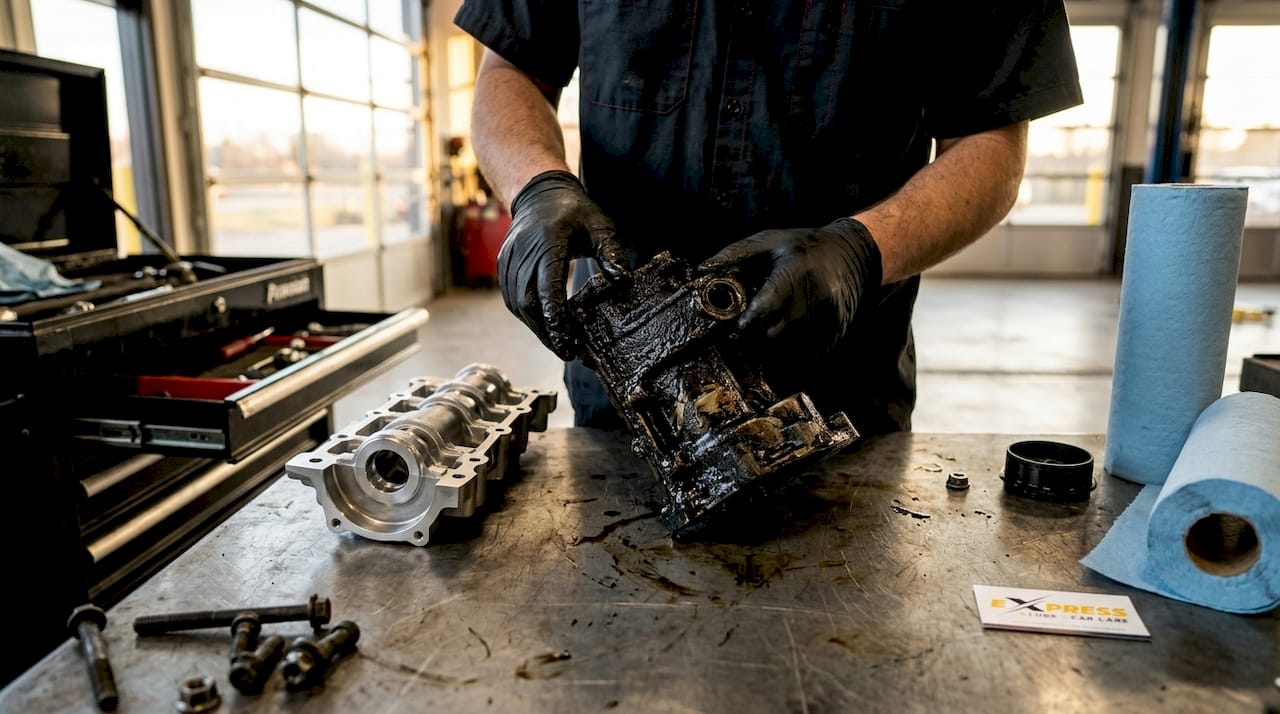
Sludge is a direct result of degraded oil. Old oil oxidizes and mixes with combustion byproducts to form thick deposits that clog oil passages and starve components of lubrication. Sludge buildup and engine wear are the two most common reasons high mileage engines fail prematurely. Consistent oil changes flush out these deposits before they harden.
Fuel efficiency also improves with clean oil. Fresh oil reduces internal drag, which means the engine does not work as hard to maintain speed. Drivers with high mileage vehicles often notice a measurable improvement in miles per gallon after a timely oil change.
Seal and gasket health is another area where regular changes pay off. High-mileage oil formulations include seal conditioners that keep rubber components flexible and reduce seepage. Skipping changes lets oil thin out and lose those protective additives, which accelerates seal deterioration and leads to leaks.
Pro Tip: Check your oil level and color every time you fill up with gas. Dark, gritty oil that smells burned is a clear sign your engine needs a change sooner than the scheduled interval.
2. How often to change oil in high mileage vehicles
The standard recommendation for high mileage vehicles is an oil change every 5,000–7,500 miles. That range applies to most cars over 75,000 miles using a quality synthetic or synthetic-blend oil. Severe driving conditions such as towing, stop-and-go traffic, extreme heat, or frequent short trips reduce that interval by 1,000–2,000 miles.
The old 3,000-mile rule is outdated. Consumer Reports confirms that advances in synthetic oil and engine technology make longer intervals safe for most modern and older vehicles alike. Sticking to 3,000-mile changes wastes money and does not add meaningful protection.
For drivers who put fewer miles on their vehicles, time matters as much as mileage. Oil degrades from moisture and acid buildup even when the car sits, so low-mileage drivers should change their oil at least twice per year. Following the correct interval can save roughly $600 over 30,000 miles compared to unnecessary 3,000-mile changes.
Here is a practical interval guide based on vehicle use:
- Standard highway driving: 7,500 miles with full synthetic high-mileage oil
- Mixed city and highway driving: 5,000–6,000 miles
- Severe conditions (towing, extreme heat, short trips): 3,500–5,000 miles
- Low-mileage drivers: Every 6 months regardless of miles driven
- Turbocharged high mileage engines: Every 5,000 miles or per manufacturer guidance
Pro Tip: Check your owner’s manual for the manufacturer’s recommended interval, then adjust down by 1,000 miles if you drive in Texas heat or regularly tow a trailer. Heat accelerates oil breakdown faster than mileage alone.
3. Regular oil vs. high-mileage oil: which is better for older cars?
High-mileage oil is the better choice for any vehicle past 75,000 miles. Standard oil does not contain the additives that aging engines specifically need. The difference shows up in real-world engine protection, not just on the label.
High-mileage formulations include antioxidants, viscosity modifiers, and seal conditioners not found in standard oil. These additives help seals stay flexible, reduce oil burn-off, and prevent sludge from forming in passages that are harder to clean as the engine ages. Synthetic versions of high-mileage oil also maintain viscosity better across temperature extremes, which matters especially in climates with hot summers.
The transition to high-mileage oil does not have to wait until a specific odometer reading. Vehicle-specific signs such as increased oil consumption, startup noise, or visible seepage around gaskets indicate the engine is ready for the switch, sometimes before 75,000 miles.
| Feature | Standard Oil | High-Mileage Oil |
|---|---|---|
| Seal conditioners | Not included | Included to reduce leaks |
| Antioxidants | Basic level | Enhanced for older engines |
| Viscosity stability | Moderate | High, especially in synthetics |
| Sludge prevention | Standard | Improved formulation |
| Oil burn-off protection | Minimal | Specifically reduced |
| Best for | Engines under 75,000 miles | Engines over 75,000 miles |
Synthetic high-mileage oil costs more per change but extends protection between intervals and reduces the frequency of adding oil between changes. For most drivers with aging vehicles, the cost difference is offset by fewer top-offs and lower long-term repair risk.
4. Additional maintenance practices that support oil change benefits
Monitoring oil consumption between changes is one of the most underused habits among high mileage vehicle owners. Acceptable oil consumption runs about 1 quart per 1,000–2,000 miles. Burning through oil faster than that signals a leak or internal wear that needs professional attention before the next scheduled change.
Beyond the oil itself, the filter matters more than most drivers realize. A premium oil filter with a higher capacity traps more contaminants and holds up longer between changes. Cheap filters can collapse under pressure or bypass dirty oil back into the engine, undoing the benefit of fresh oil entirely.
Here are the maintenance practices that work alongside regular oil changes to extend engine life:
- Top off oil between changes when the level drops below the minimum mark on the dipstick
- Inspect for leaks at the drain plug, valve cover gaskets, and oil pan after each change
- Listen for startup noise such as ticking or knocking, which often signals low oil pressure
- Use a certified technician for oil changes to catch early signs of wear during the service visit
- Follow a full car maintenance schedule that includes coolant, transmission fluid, and air filter checks alongside oil service
Vehicles that reach 200,000 miles reliably are almost always the ones with documented, consistent oil change histories. The engine does not need to be exceptional. It needs to be maintained.
Key takeaways
Regular oil changes protect high mileage engines by reducing friction, preventing sludge, maintaining seal health, and catching early signs of wear before they become costly repairs.
| Point | Details |
|---|---|
| Change interval for high mileage | Every 5,000–7,500 miles, adjusted down for severe driving conditions. |
| High-mileage oil advantage | Contains seal conditioners and antioxidants not found in standard oil. |
| Oil consumption monitoring | More than 1 quart per 1,000–2,000 miles signals a leak or internal wear. |
| 3,000-mile rule is outdated | Modern synthetic oils safely extend intervals, saving roughly $600 over 30,000 miles. |
| Filter quality matters | A premium filter prevents contaminated oil from bypassing back into the engine. |
What we have learned from years of high mileage engine service
The vehicles that surprise us most at Express Lube & Car Care are the ones with 180,000 or 200,000 miles that still run quietly and cleanly. Without exception, those owners have one thing in common: they never let an oil change slide.
What I have seen repeatedly is that drivers treat oil changes as optional once a car gets older. The thinking goes that the engine is already worn, so why spend the money. That logic is exactly backward. An older engine with worn seals and wider tolerances needs clean, properly formulated oil more than a new one does. The margin for error shrinks as mileage climbs.
The other pattern I notice is that drivers wait for a warning light before acting. By the time the oil pressure light comes on, the damage is already happening. Checking the dipstick every few weeks costs nothing and catches problems that no dashboard sensor will flag in time.
My honest recommendation: switch to a full synthetic high-mileage oil at 75,000 miles, set a calendar reminder for your next change, and treat the oil filter as part of the service, not an optional add-on. That combination, done consistently, is what keeps older engines running past the point where most people expect them to quit.
— Express Lube & Car Care
Oil change service for your high mileage vehicle at Express Lube & Car Care
Express Lube & Car Care serves high mileage vehicle owners in Plano with no-appointment-needed oil changes performed by certified technicians. Every service includes a check of fluid levels, filters, and visible engine components, giving you a complete picture of your vehicle’s condition in one visit.
Drivers with older vehicles can take advantage of current oil change specials that include high-mileage synthetic options tailored to engines over 75,000 miles. Military and healthcare workers receive additional discounts as part of Express Lube & Car Care’s commitment to the community. Fast, reliable service means you are back on the road without a long wait, and your engine gets the protection it needs to keep going.
FAQ
What are the main benefits of regular oil changes for high mileage cars?
Regular oil changes reduce engine friction, prevent sludge buildup, maintain seal flexibility, and improve fuel efficiency. For vehicles over 75,000 miles, these benefits directly extend engine life and reduce the risk of costly repairs.
How often should I change the oil in a high mileage vehicle?
Most high mileage vehicles need an oil change every 5,000–7,500 miles with synthetic oil. Severe driving conditions such as towing or extreme heat reduce that interval by 1,000–2,000 miles.
Is high-mileage oil worth it for older cars?
High-mileage oil is worth it for any vehicle past 75,000 miles. Its seal conditioners and antioxidants address the specific wear patterns of older engines that standard oil formulations do not cover.
Can I skip oil changes if my high mileage car seems to run fine?
Skipping oil changes accelerates sludge buildup and seal deterioration even when the engine sounds normal. Oil degrades from heat and acid buildup regardless of how the car feels to drive.
What signs tell me my high mileage car needs an oil change sooner?
Dark, gritty oil on the dipstick, startup ticking, or burning more than 1 quart per 1,000–2,000 miles all indicate the engine needs fresh oil before the scheduled interval.