

The moment that check engine light shows up, most drivers don’t think about spark, compression, or coolant flow. They think about money.
You may be driving home from work in Plano, your car still seems to run “mostly fine,” and then a warning light turns on or the engine starts shaking at a stoplight. That’s when the questions start. Is this a small fix? Is the engine about to fail? How much does engine repair cost, and am I about to get hit with a bill I can’t handle?
That stress is normal. I see it all the time.
The good news is that engine repair is not one single thing. It can mean anything from a targeted repair to a major internal rebuild. A lot of drivers hear the word “engine” and assume the worst. Sometimes the problem is serious. Sometimes it is very repairable if you catch it early.
What matters most is getting a clear diagnosis, understanding the category of repair you are dealing with, and looking at the full financial picture instead of only the biggest number someone throws at you.
How Much Does Engine Repair Cost? That Sinking Feeling When the Check Engine Light Comes On
You turn the key before work, and something feels off right away. The engine shakes at idle, the temperature seems a little higher than usual, or a warning light stares back at you from the dash. In that moment, very few drivers are wondering which sensor reported a fault; most car owners are concerned about how much the repair expenses will be and how it will impact their budget.
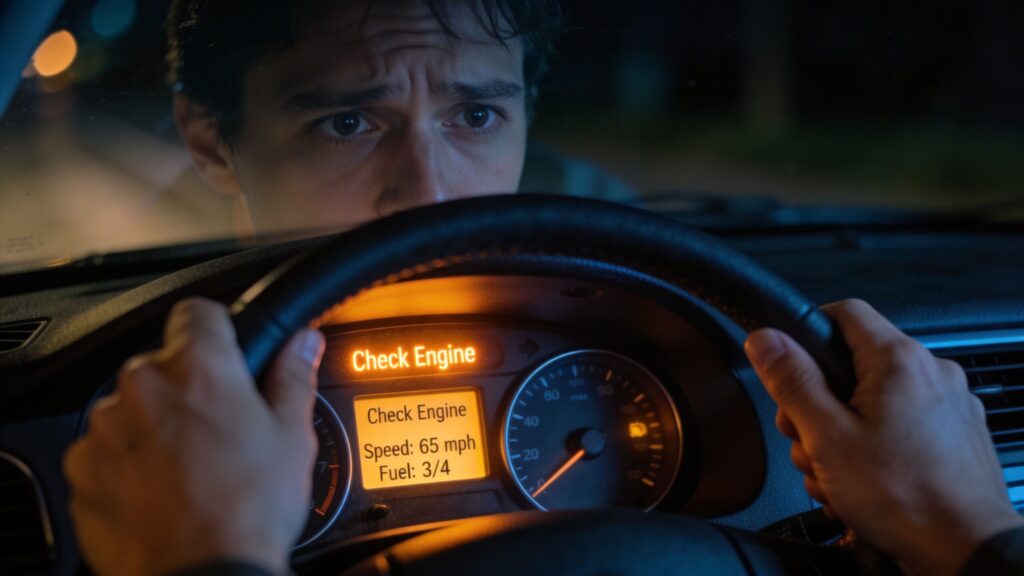
That reaction makes sense.
A lot of people hear “engine problem” and jump straight to the biggest number they have ever heard, usually a full replacement. Those jobs can be expensive, as noted earlier. But that is only one end of the spectrum, and it is not the bill most drivers are facing when the light first comes on.
The check engine light is closer to a smoke alarm than a final verdict. It tells you the car detected a problem. It does not tell you whether the issue is small, moderate, or severe. In some cases, the cause is a targeted repair that can be handled before it spreads. In other cases, the warning points to a problem that has already started affecting how the engine runs, cools, or burns fuel. If you want a plain-English overview of what that warning can mean, this guide on how to check engine light issues is a helpful place to start.
The costly mistake is not the light itself. It is driving for weeks while hoping the problem will stay small, instead of seeking an early diagnosis that could be much more cost effective.
A misfire can damage other parts. A coolant leak can turn into overheating. Low oil pressure can wear internal engine parts much faster than normal. Catching these small problems early through proper maintenance and monitoring can prevent more expensive repairs down the road. The bill changes because the damage changes. That is why an accurate diagnosis can save you from paying for the wrong job, or from waiting until a smaller repair becomes a much larger one.
Honest cost guidance should answer a few plain questions:
What part or system is causing the warning
Whether the problem is still limited or has spread
What the repair solves today, and what it may prevent later
Whether fixing the vehicle still makes financial sense for how long you plan to keep it
That last point matters more than many shops explain. The full cost involves more than the repair invoice. It is also the long-term ownership picture. A smaller engine repair on a solid vehicle may be the smart money move. A larger repair on a high-mileage car with other issues may not be.
The goal is to replace panic with a clear plan.
Minor Fixes Major Repairs and Full Replacements
Engine repairs fall into three tiers, much like home repairs. Replacing a worn faucet seal is one level. Opening a wall to fix plumbing damage is another. Rebuilding a cracked foundation is the big one—just as a full engine replacement is the most extensive and costly option for a severely damaged engine. Replacing the engine is often necessary when a failed component causes catastrophic engine failure, making a complete replacement the only viable solution.
Cars follow that same pattern, and the price gap between those tiers is why so many drivers feel blindsided.
Three Repair Tiers Drivers Encounter
Repair Tier | Common Examples | Average Cost Range |
|---|---|---|
Minor fixes | Small engine-related repairs, sensor replacement, ignition components, gasket leaks, cooling or fuel system parts | Varies by vehicle, part, and labor time |
Major repairs | Head gasket repair, timing-related repairs, partial internal engine work, labor-heavy teardown jobs | Often much higher than a simple parts replacement, but still far below a full engine swap |
Full replacements or rebuild-level work | Engine rebuild or complete engine replacement | Usually the highest-cost category and the one that requires the most careful cost-benefit review |
A lot of repair bills that get labeled “engine repair” are not repairs to the whole engine assembly. They are focused jobs on the systems that help the engine run correctly. That distinction matters.
For example, a rough idle, oil leak, misfire, or overheating complaint can lead to very different repairs. One vehicle may need a manageable part replacement. Another may need hours of teardown to reach a failed internal component. The symptom can sound the same to a driver, but the work behind the estimate can be completely different.
Minor fixes are the jobs drivers hope for
Minor does not mean unimportant. It means the problem is still limited.
These repairs usually address one part or one system before the issue spreads. In plain English, the engine is still doing its job, but one supporting piece is not. A bad ignition component, a leaking valve cover gasket, a failed sensor, or neglecting regular oil changes can cause serious concern from the driver’s seat while still being a targeted repair in the shop. Regular oil changes are a simple, minor fix that can prevent more serious engine problems and help maintain engine health.
That is why an estimate should answer one simple question first. Are we repairing a supporting component, or are we opening the engine itself?
Major repairs sit in the middle, and that is where many real decisions happen
This category causes the most confusion for customers.
A major repair is expensive because of labor, access, precision, and the complexity of the job. The complexity of engine repairs can significantly increase labor costs, as more intricate repairs require additional time and expertise. The technician may have to remove a large portion of the engine to reach the failed area, inspect for related damage, clean gasket surfaces, measure parts, and put everything back together to exact specifications. A head gasket job is a good example. So is partial internal engine work where the core engine may still be worth saving.
That middle ground deserves more attention than it usually gets. Many articles jump from a check engine light straight to full replacement numbers, as if there is nothing in between. In practice, many drivers are deciding whether a substantial repair still makes sense on a vehicle they otherwise trust.
Full engine replacement is the top tier
Replacement enters the conversation when internal damage is severe, the engine block or major internals are no longer usable, or the total repair risk no longer makes financial sense. Some car owners consider installing a used engine from a scrapped vehicle as a cost-saving alternative to a new or rebuilt engine, but it’s important to assess the condition and warranty of the used engine before making this choice.
Foundation repair works as a good comparison here. You do not start there unless the structure itself has a serious problem.
Even then, the invoice alone should not make the decision. You also have to look at the rest of the vehicle, its mileage, its maintenance history, and what else you may need to spend over the next year or two. A replacement can be smart on a well-kept vehicle. It can also trap you in a car that needs transmission, suspension, or electrical work next.
Why these tiers matter to your wallet
The smartest financial choice is not always the cheapest estimate today.
A smaller, targeted repair on a solid vehicle can protect years of remaining service. A major repair can still be the better value if it avoids the cost of replacing the car, paying higher insurance, taking on a payment, and inheriting unknown problems in another used vehicle. On the other hand, a large engine bill on a high-mileage car with several other issues may be money you never get back in reliability.
That is the part drivers deserve to hear clearly. The primary decision is not only repair versus replace. It is whether this repair fits the long-term ownership picture of your specific vehicle.
Minor fixes restore one system. Major repairs can preserve a vehicle you still like. Full replacement calls for a wider financial conversation.
Understanding the Key Factors That Influence Your Repair Bill
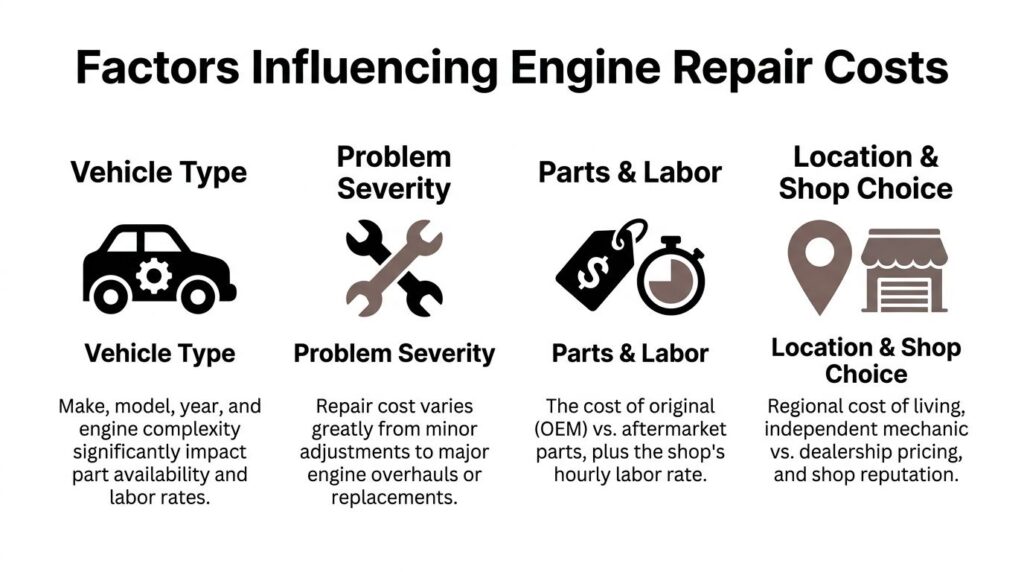
You and your neighbor can both walk into a shop with the same complaint, “my engine is acting up,” and leave with estimates that are nowhere close. That price gap does not automatically mean one shop is padding the bill. Engine repair costs change because the work behind the symptom can be very different, and significant factors like labor costs and labor rates play a major role in determining your total engine repair bill.
Vehicle type changes the job before the wrench turns
Some engines are straightforward to access. Others are packed so tightly that a technician has to remove several parts just to reach the failed one.
That alone can change the bill.
A four-cylinder commuter car often gives better access than a turbocharged SUV, a luxury model, or a truck with a crowded engine bay. The repair itself may be similar on paper, but the time to get in, do the job correctly, and put everything back together can be very different. Part availability also matters. If a common sensor is on the shelf locally, that helps. If a model uses harder-to-find parts, cost and downtime can climb.
Severity matters more than the warning sign
The symptom you notice is only the front door. The true cost depends on what happened behind it.
Overheating is a good example. One driver may only need a cooling system repair because the issue was caught early. Another may have kept driving until the heat affected the head gasket or warped metal surfaces, causing critical components to fail and resulting in much more expensive repairs. If you want a plain-English explanation of how that chain reaction starts, our guide on what causes overheating in cars walks through it step by step.
The same pattern shows up with oil loss, misfires, smoke, and knocking noises. A small problem found early often stays small. The longer an engine runs with low oil pressure, poor cooling, or a misfire, the more likely you are paying for secondary damage too.
Engine oil and parts choice change both the price today and the risk later
Customers usually hear a few terms during an engine estimate, and they can sound more complicated than they are. Here is the simple version:
OEM parts match the original manufacturer standard
Aftermarket parts can cost less, but quality varies by brand
Used parts lower the upfront bill, with more uncertainty about remaining life
Rebuilt or remanufactured assemblies cost more than used parts, but they are often a better middle ground for larger repairs
Choosing quality parts—whether OEM or high-grade aftermarket—can help prevent future repairs and save money in the long run by reducing the risk of premature failure.
Here, long-term ownership cost enters the conversation. A cheaper part can reduce the invoice now, but if it fails early or creates repeat labor, it was not the cheaper choice. On the other hand, paying top-dollar for premium parts on a vehicle with several unrelated issues may not make financial sense either. The right answer depends on how long you plan to keep the car and what condition the rest of it is in.
Labor reflects time, access, and precision
Labor is the part many drivers underestimate because you cannot hold it in your hand. Mechanic’s labor is a major component of the total repair cost, especially for complex engine repairs, as labor charges are based on the time and expertise required for the job.
Engine work often involves diagnosis, disassembly, cleaning gasket surfaces, checking measurements, following torque sequences, reassembling components, refilling fluids, testing, and verifying the original complaint is gone. On some vehicles, a “small” repair still takes hours because access is poor or because related parts need to come off first. On others, the failed part is easy to reach and the labor stays reasonable.
Shop type can influence cost too. A dealership may charge more per hour than an independent repair shop. An experienced independent shop can still be the better value if the technician sees that engine family every week and can identify the root failure quickly.
Diagnosis protects you from paying for the wrong repair
A good diagnosis matters because it can save you from paying for the wrong job.
From the driver’s seat, several engine problems look the same. Rough running could come from ignition trouble, a vacuum leak, internal damage, fuel delivery issues, or overheating damage that spread. White smoke might point to coolant entering the engine, but it can also be confused with normal condensation in some situations. A check engine light is a clue, not a parts list.
That is why a careful shop tests before it recommends major work. Scan data, pressure tests, leak checks, and visual inspection help separate a targeted repair from a much bigger problem. Sometimes, diagnosis reveals a manufacturer defect, which may be covered under your vehicle’s warranty, saving you significant out-of-pocket costs. If a shop can explain what failed, how they confirmed it, and why they are recommending that repair, you are in a much better position to decide whether the bill fits your car and your long-term plans.
A trustworthy estimate explains the cause of the problem, the repair options, and the tradeoffs, not just the final number.
Common Engine Problems and Their Typical Engine Repair Costs
Monday morning, the car feels normal for the first few miles. Then the temperature needle starts climbing, the engine stumbles at a stoplight, and now you are wondering whether this is a few hundred dollars or the beginning of a replacement-sized bill.
That question is why broad phrases like “engine repair” are not very helpful on their own. What matters is the actual failure. Some problems are targeted repairs. Some mean the engine needs to come apart. A few point to replacement. The hard part for drivers is that many of those problems start with the same warning signs, but regular maintenance can help prevent many of these common engine problems before they become serious.
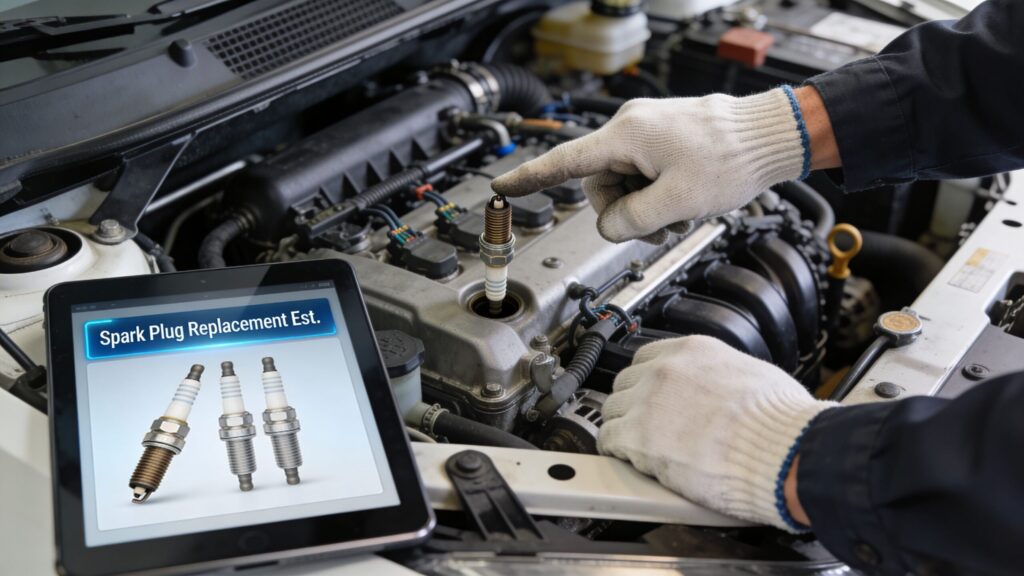
The overheating commuter car
A common real-world example starts with overheating. You may notice coolant disappearing, coolant leaks, the fan running hard, or heat from the vents changing. Keep driving like that, and a cooling system problem can turn into engine damage.
One possible outcome is a head gasket failure. That repair usually lands in the major-repair category because the top of the engine has to come apart, sealing surfaces have to be checked carefully, and related cooling parts may need attention so the same problem does not come right back.
If your car has been running hot, our guide on what causes overheating in cars explains how a small cooling issue can snowball into a much larger engine bill.
A simple way to picture it is this. Overheating is often the first domino, not the last one.
The knocking family SUV
A knock gets people’s attention fast, and for good reason. If the sound is coming from inside the engine, the repair can move from an external part swap to internal engine work. Crankshaft damage or wear is a common reason for extensive engine repairs, since the crankshaft is responsible for converting the up-and-down motion of the pistons into the rotational power that drives your vehicle.
On larger engines, especially in trucks and SUVs, a rebuild often means addressing worn bearings, pistons, valves, or damage tied to poor lubrication. That is labor-heavy work because the engine has to be disassembled, measured, machined if needed, and put back together with new internal parts.
Car Talk’s rebuild cost analysis explains why these jobs get expensive. You are not paying for one part. You are paying for teardown, inspection, machine work, reassembly, and the parts kit that makes the engine reliable again.
The high-mileage sedan with one big question: is it a failing engine?
Owners of high-mileage sedans often get stuck wondering about one big question. Is the engine worn out, or is it worn enough that a partial repair still makes sense?
That middle ground is where a lot of online articles fall short. Drivers search for “engine repair cost,” find the biggest replacement numbers first, and assume every internal problem means the whole engine is done. In real shops, many customers are dealing with something in between. A leak repair, timing-related work, timing chain replacement, valve train problems, or a top-end repair can cost far less than replacing the entire engine.
The engine works like a house in that way. A bad roof is serious, but it is not the same as tearing down the whole structure. The smart decision depends on where the damage is, how far it spread, and what shape the rest of the vehicle is in.
Here is a short visual overview before we go deeper into the decision side:
The driver who only looked at replacement prices
Replacement prices get the attention because they are the biggest numbers. They are also the least helpful starting point for many drivers.
Lemonade’s engine cost explainer points out a gap that matters to everyday car owners. Many guides focus heavily on full replacement or full rebuild costs, while giving less space to the partial repairs that people encounter first, such as head gasket work, timing component repairs, or piston ring problems. That missing context is how drivers end up bracing for the worst before anyone has confirmed what failed. Symptoms like a noticeable loss of power, rough idling, or knocking noises can signal engine issues, but these do not always mean a full replacement is needed—sometimes targeted repairs can restore performance.
I would want any customer in Plano to hear this part clearly. “Engine problem” is not one price category. It is a range, and the low end, middle, and high end can be thousands of dollars apart.
What these examples really mean
The symptom you notice is only the start of the story. White smoke can point to coolant getting into the engine. Knocking can mean internal wear, but the severity matters. A check engine light may still trace back to a focused repair instead of a rebuild.
The smartest way to price an engine problem is to start with a diagnosis, then compare the repair to the car’s remaining life and your ownership plans. Identifying a failing engine early through proper diagnosis can help you avoid unnecessary replacement and catch issues before they become severe. That is how you avoid making a replacement decision when the problem may still be repairable.
Making the Right Financial Choice for Your Vehicle
You get the estimate, look at the total, and the question changes fast. It is no longer just, “What failed?” It becomes, “Does putting this money into this car still make sense for my life?”
That decision is rarely as simple as comparing one repair bill to one car payment. A paid-off vehicle with a sound transmission, solid suspension, and a clean service history—including regular oil changes as part of routine maintenance—can still be the cheaper car to own, even after a major engine repair. On the other hand, an engine fix on a vehicle that already needs several other big-ticket items can turn into a cycle of catch-up spending.
Start with your real ownership plan
The best choice depends on what you need this vehicle to do next.
A car that only needs to get you through another year is one kind of decision. A car you want to trust for school runs, long commutes, or weekend travel for the next several years is another. The same repair quote can be reasonable in one case and hard to justify in the other.
Ask yourself:
How long do I plan to keep this vehicle
What shape is the rest of the vehicle in
If I replace it, what would a dependable replacement cost me
After this repair, would I feel confident driving it daily
Those questions help you judge value, not just price.
Repair, rebuild, or replace are not equal decisions
A lot of drivers jump straight from “engine problem” to “I probably need a whole new engine.” That is like assuming a house needs to be rebuilt because one room has water damage. Sometimes the fix is focused. Sometimes the damage is widespread. The smart move is matching the repair level to the actual condition of the engine and the vehicle around it.
A partial repair may make sense if the failure is limited and the rest of the engine is healthy. A rebuild can make sense if the engine itself is worth saving and the car still fits your needs. Full replacement tends to enter the conversation when internal damage is broad, labor overlap is high, or the existing engine is no longer a good candidate for repair.
The key is what you get afterward. You are not buying parts alone. You are buying useful, reliable miles.
The hidden cost many owners miss
Big estimates get attention. Long-term ownership cost matters just as much.
If one repair solves the main problem and gives you years of dependable service, the higher upfront number may still be the better financial choice. If the engine repair is only the first in a line of likely major repairs, the lower quote can still be the more expensive path over the next 12 to 24 months.
That is why a good shop should help you look beyond the first invoice. If you need help understanding whether the problem is isolated or part of a larger pattern, a proper engine diagnostics process in Plano gives you a much better basis for the decision.
A simple way to compare your options
Use these three numbers:
What this repair will cost
What reliable use you are likely to get after the repair
What it would cost to replace this vehicle with something equally dependable
That third number is where drivers often get surprised. Replacing a car usually means taxes, registration, possible financing, higher insurance, and the risk of buying another used vehicle with problems you cannot see yet. Repairing the car you already know can be the smarter answer.
Sometimes the right answer is repairing the car and driving it for years.
Sometimes the estimate is a clear sign that the vehicle is near the end of its practical economic life.
Key takeaway: Do not ask only, “Can I fix this engine?” Ask, “After I spend this money, what kind of vehicle will I have?”
How We Make Engine Repair Clear and Affordable in Plano
A lot of frustration around engine repair comes from not knowing what you are being told. Customers hear technical terms, see a large number, and still are not sure what failed or why the repair costs what it costs. Repairs like water pump replacement, which is crucial for preventing engine overheating, should be clearly explained so customers understand their importance and associated costs.
That should not happen.
Clear diagnosis before big decisions
The first job is to identify the actual fault, not to jump straight to the biggest repair. Good engine work starts with modern testing, careful inspection, and a simple explanation the customer can follow.
That is especially important with problems like overheating, misfires, oil pressure warnings, or internal noise, where one symptom can have several very different causes.
If you want to understand what a proper local diagnosis process looks like, this article on engine diagnostics in Plano gives a helpful overview.
A good estimate should sound like plain English
Customers deserve more than a parts list.
They should be able to understand:
What failed
What secondary damage, if any, was found
What options exist
Why one option may be smarter than another
That kind of communication matters just as much as the wrench work. It helps people compare repair, rebuild, and replacement with a clear head instead of guessing.
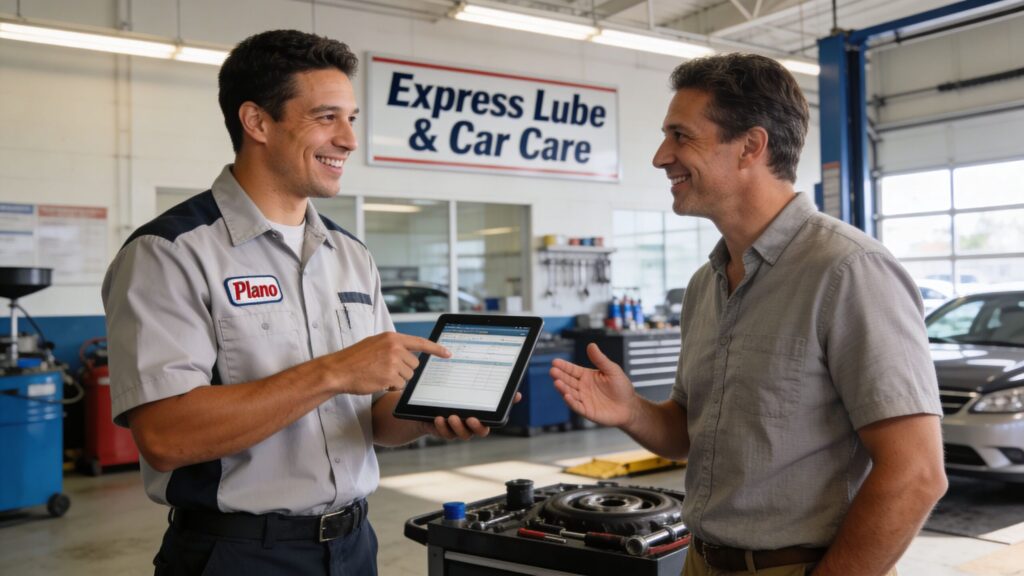
Affordability is not just about the sticker price
A repair feels affordable when the shop catches the problem early, explains the options, and helps the customer avoid paying for work they do not need.
For Plano drivers, convenience matters too. No-appointment service, straightforward communication, and visible discounts for groups like military, first responders, healthcare workers, and Ladies Day customers can make maintenance and repair less disruptive.
Best repair outcome: Accurate diagnosis, honest options, and a plan that fits both the vehicle and the owner's budget.
Answering Your Top Engine Repair Questions
You pick up the phone, hear the estimate, and your mind goes straight to the worst-case number. That reaction is normal. What helps is breaking the problem into smaller, more answerable questions, the same way a mechanic breaks an engine problem into tested parts instead of guesses. Many car owners also wonder about engine oil—how regular oil changes and proper maintenance can prevent costly engine repairs in the first place.
Is a check engine light always a sign of expensive repairs
No. The light means the car’s computer found a fault that needs attention.
Sometimes that fault is relatively small, like a sensor issue or an ignition misfire caught early. Other times, it points to a problem that can hurt the engine if you keep driving. When the check engine light comes on, it’s a good idea to check under the hood for visible signs of trouble, such as smoke or unusual sounds. The light is a prompt to test the car soon, not proof that you need a full engine.
That distinction matters because many drivers are not facing a replacement bill. They are facing a repair decision, and those are very different conversations.
How long does a typical engine repair take
Repair time depends on how far into the engine the technician has to go.
A focused repair, such as replacing a failed ignition part, a valve cover gasket, or a leaking sensor, can often be handled much faster than internal engine work. Once the job involves opening the engine, checking for wear, sending parts out for machining, or waiting on hard-to-find components, the timeline gets longer.
A good way to picture it is home repair. Replacing a light switch is one kind of job. Opening a wall to repair wiring is another. Both are repairs, but the second one naturally takes more labor, more inspection, and more rechecking before anyone can call it finished.
What kind of warranty should I expect on engine work
Ask for the warranty in writing before you approve the repair.
Coverage often depends on the type of work performed and who supplies the parts. A smaller repair may carry coverage on the specific replaced part. A larger job, such as a replacement engine or major internal repair, may come with broader protection. Earlier in this guide, we noted that replacement options often carry stronger warranty terms than a rebuild, which can matter if you plan to keep the vehicle for several more years.
Two questions clear up a lot of confusion fast. Does the warranty cover labor, and what would void it?
Can I save money by providing my own parts
You might lower the part price on paper, but that does not always lower the final cost.
Engine repairs are less forgiving than simple bolt-on jobs. The part has to match the diagnosis, the engine code, and the build details of the vehicle. If the wrong part shows up, or if an online bargain fails early, you can end up paying labor twice and arguing over who covers what.
That is why many shops prefer to supply engine parts themselves. It keeps the repair, the warranty, and the responsibility in one place.
Is rebuild better than replacement
The better option depends on the condition of your engine, not the label on the estimate.
A rebuild can make sense if the engine block and major hard parts are still in good shape and the rest of the vehicle is worth keeping. A replacement can be the smarter choice if damage is widespread, if downtime matters, or if you want stronger warranty protection.
A lot of customers ask which option is cheaper. The smarter question is which option leaves you with the lower total ownership cost over the next few years. A lower upfront bill is not a bargain if the car still has high risk and repeat repairs ahead.
Should I fix the engine or replace the car
Start with the whole vehicle, not just the engine quote.
If the transmission is healthy, the suspension is solid, the body is in good condition, and the car still fits your needs, repairing the engine may be the better financial move. If the engine problem is only one item on a growing list of expensive needs, replacing the vehicle may save money and stress in the long run. Honesty matters in this situation. A good shop should help you compare the repair bill with the car’s remaining value, reliability, and expected future costs, not just hand you a large number and wait for an answer.
If your vehicle is showing warning signs and you want a straight answer before the problem gets worse, schedule a visit with Express Lube & Car Care. Their ASE-certified team in Plano offers no-appointment service, modern diagnostics, honest explanations, and practical repair options that help you make the right call for your car and your budget.